
UN Climate Talks in Turkey Conclude Without Fossil Fuel Agreement
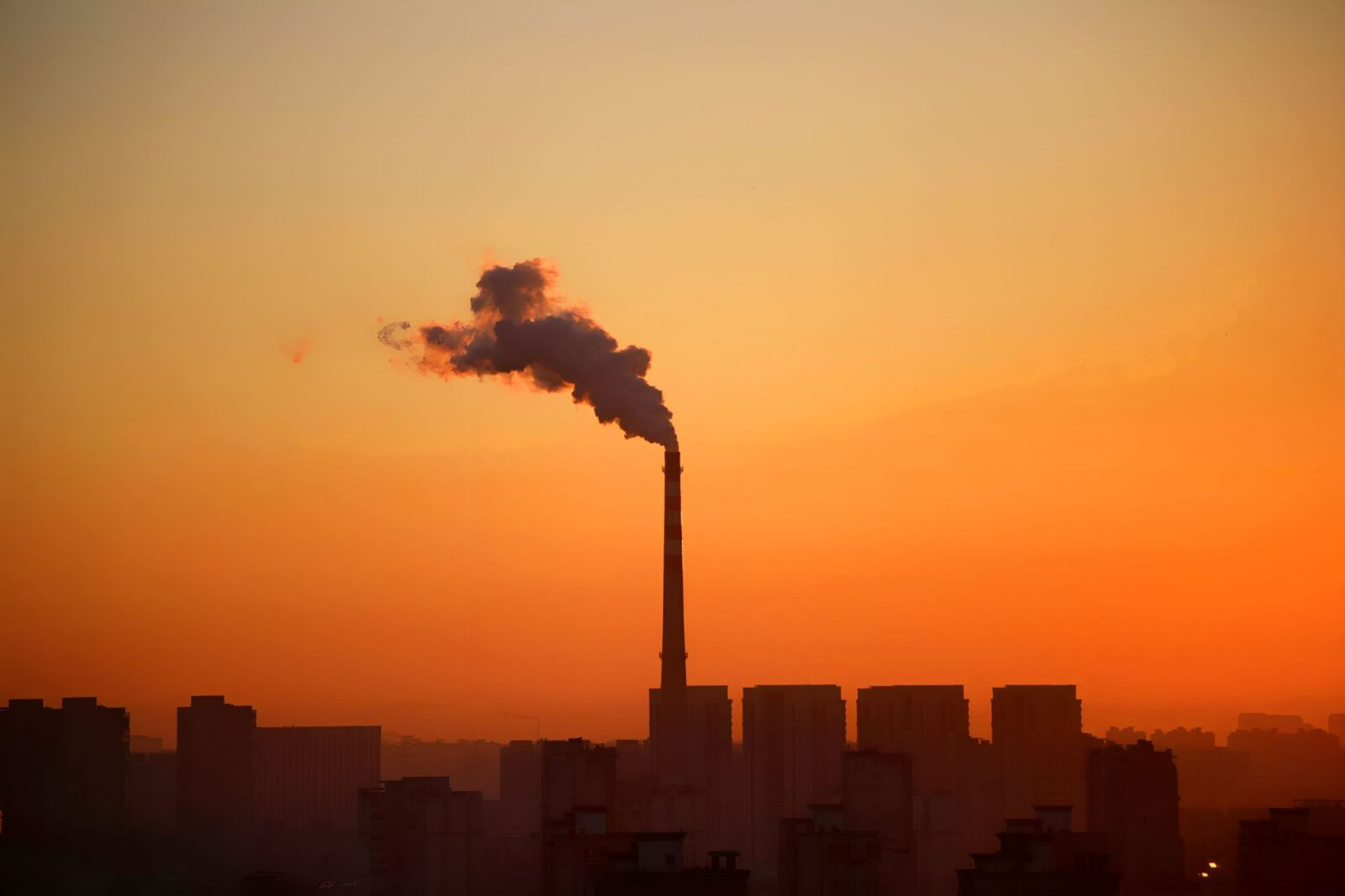
ISTANBUL — November 22, 2026
The UN climate talks held in Turkey concluded on November 22, 2026, without achieving an overarching agreement on the contentious issue of fossil fuel divisions. This development has sparked confusion among delegates and raised critical questions regarding the future of global climate policy.
The negotiations, which took place in Istanbul, were attended by representatives from nearly 200 countries. The primary focus was to address the role of fossil fuels in climate change and to establish a framework for transitioning to renewable energy sources. However, despite extensive discussions, delegates were unable to reconcile differing national interests, particularly between fossil fuel-dependent nations and those advocating for more aggressive climate action.
Key players in the talks included representatives from major oil-producing countries, such as Saudi Arabia and Russia, who resisted calls for a rapid phase-out of fossil fuels. Conversely, nations like the Maldives and Tuvalu, which are particularly vulnerable to climate change, pushed for stronger commitments to reduce fossil fuel dependency. The lack of consensus reflects the broader geopolitical tensions surrounding energy security and climate commitments.
The failure to reach an agreement was triggered by deep-seated divisions over how to balance economic growth with environmental sustainability. Many countries expressed concerns that a rapid transition away from fossil fuels could jeopardize their economic stability, particularly in regions heavily reliant on oil and gas revenues.
This outcome is significant as it highlights the ongoing challenges in global climate negotiations, particularly in the context of rising energy prices and geopolitical instability. The inability to establish clear guidelines on fossil fuel usage undermines the collective efforts to combat climate change and may hinder progress towards the goals set in the Paris Agreement.
The implications of this development are profound, affecting not only local economies but also national and global climate strategies. As nations grapple with the realities of climate change, the lack of a unified approach to fossil fuels could lead to increased emissions and further exacerbate environmental degradation.
Looking ahead, the next steps remain uncertain. Future climate talks will likely continue to grapple with the fossil fuel issue, and the lack of agreement in Turkey may prompt calls for more stringent measures at upcoming international forums. Additionally, countries may need to reassess their energy policies and commitments to renewable energy in light of the stalled negotiations.
Source: The Economic Times








COP31 Breakdown Over Funding for Vulnerable Countries and Fossil Fuel Usage
The recent breakdown at COP31 highlights critical divisions over climate funding and...
 2 Mins read
COP31 Climate Talks Conclude Without Agreement Amid Fossil Fuel Disputes
The COP31 climate conference ended on November 23, 2026, without a consensus,...
2 Mins read
Fossil Fuels Conflict at COP31: An Unbridgeable Divide
The COP31 climate talks have reached a critical impasse over fossil fuel...
2 Mins read


COP31 Climate Talks Collapse Without Agreement on Fossil Fuels
The COP31 climate talks, held in 2026, ended in failure as delegates...
2 Mins read

Leave a comment