
Unveiling the Unseen: The B Side of Venezuela’s Transition

Unmasking the Narrative
In the wake of pivotal political shifts, Efecto Cocuyo has launched a compelling new series titled “El lado B de la transición venezolana”. This initiative, introduced to the public on September 1, offers a profound exploration of the multi-faceted transition in Venezuela, viewed through the lens of everyday citizens and renowned experts alike. Led by the esteemed journalist Luz Mely Reyes, the series critically examines the three-phase plan advocated by Washington—stabilization, economic recovery, and political transition—while giving voice to the palpable skepticism and uncertainty felt by the populace.
Voices from the Ground
What sets this series apart is its commitment to inclusivity, allowing the public to pose pressing questions about their realities. Queries such as “What is the purpose of the discussions?” and “When will we see a decent salary?” highlight the urgent concerns that underpin the daily lives of Venezuelans. The program emphasizes that no transition can truly succeed without the active participation of the society it aims to serve.
Stabilization: A Struggle for Trust
The first episode focuses on the stabilization phase, featuring insights from anthropologist Mirla Pérez and historian Pedro Benítez. Both experts underscore a prevailing sentiment of distrust within Venezuelan society. Pérez articulates a notion of “institutional orphanhood,” where citizens feel alienated from the political process despite recent mobilizations. The absence of effective governance during critical moments has exacerbated this disillusionment. Benítez echoes these sentiments, cautioning that a country grappling with hyperinflation cannot be considered stable. Drawing parallels to the transition of 1958, he notes the absence of popular enthusiasm today, highlighting the urgent need for concrete actions, such as dismantling repressive state apparatus and freeing political prisoners, to foster credibility.
Economic Recovery: A Fragile Path
The series progresses to an analysis of economic recovery, featuring economists Tamara Herrera and José Guerra. Their discussion reveals a sluggish economic landscape, marked by fragmented progress and a lack of comprehensive strategy since early January. Guerra advocates for a robust economic program, emphasizing the crucial role of the International Monetary Fund—not only for financial support but also for imparting necessary technical expertise. Key priorities emerge: combating inflation, revitalizing the oil industry, and creating a new social program focused on direct transfers rather than the corrupt structures of the past. Herrera further identifies the electrical collapse as an immediate barrier to progress, warning that without adjustments to expectations and access to international financing, the current precarious balance is unsustainable.
Political Transition: Opportunities and Challenges
The final episode delves into the complexities of political transition, featuring historian Margarita López Maya and Father Arturo Peraza, rector of UCAB. Their dialogue questions whether there is a genuine transition underway or merely a favorable juncture. López Maya asserts the absence of changes to the political game, while Peraza acknowledges a serious, albeit uncertain, opportunity. Both stress the critical need for foundational elements—namely organized civil society and legitimate political leadership—to stabilize the process. They advocate for what they term “early victories”—such as the liberation of political prisoners and the repeal of repressive laws—to cultivate a sense of tangible progress among the citizenry. The role of the United States emerges as a complex guarantor with vested interests, rather than a neutral mediator, underscoring the intricate nature of Venezuela’s transition.
An Invitation to Engage
The episodes of “El lado B de la transición venezolana” are available on Efecto Cocuyo’s YouTube channel and through various allied media platforms, offering a vital resource for understanding the realities of a nation in flux. This series not only illuminates the diverse perspectives within Venezuelan society but also serves as a call to action for engagement and dialogue. As audiences tune in, they are reminded of the power of collective voices in shaping the future.
Editorial note: This article was created by A Bit Lavish Miami’s Magazine as an original editorial reinterpretation based on publicly available reporting. Original source: efectococuyo.com. Read the original article here: https://efectococuyo.com/politica/efecto-cocuyo-presenta-el-lado-b-de-la-transicion/.
Images are used for editorial reference with source credit. If an image requires correction or removal, please contact A Bit Lavish.







Rafael Ramírez: Están entregando 65 mil millones de barriles a Trump y dejando a Venezuela sin soberanía #ConLaLuz
El exministro de Petróleo de Hugo Chávez y expresidente de Pdvsa, Rafael...
 3 Mins read

Beyond Barrels: A Vision for Venezuela’s True Recovery
Edmundo González Urrutia discusses the multifaceted recovery of Venezuela, emphasizing the need...
2 Mins read
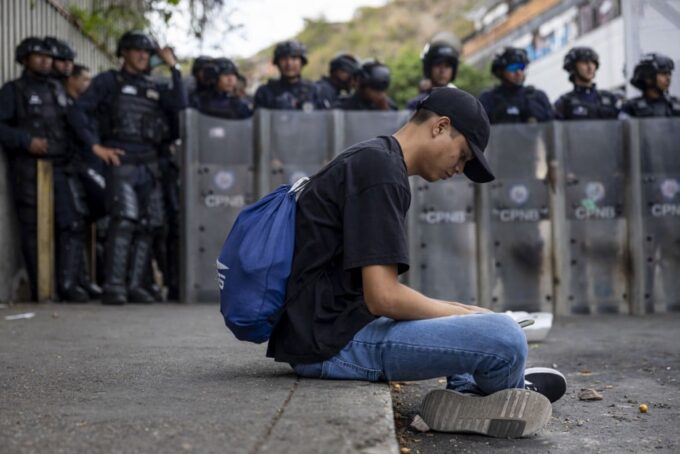
Behind Bars and Beyond: The Ongoing Struggles of Venezuela’s Political Prisoners
Explore the nuanced realities faced by Venezuela's political prisoners after their release,...
2 Mins read
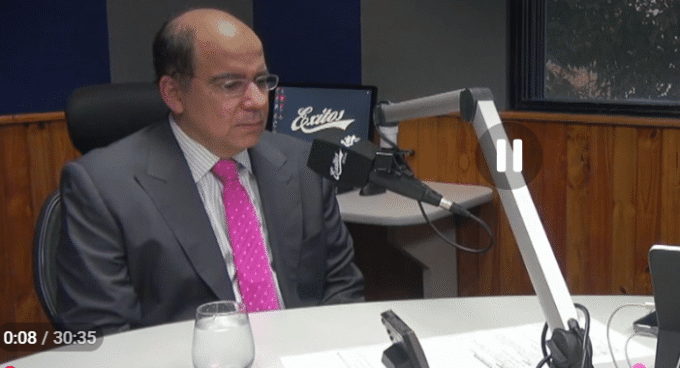


Desentrañando el Acuerdo Petrolero: Preguntas Clave de Francisco Rodríguez
Un análisis profundo del reciente acuerdo petrolero en Venezuela, planteado por Francisco...
3 Mins read

Leave a comment