
US Appeals Court Considers Legal Challenge to Trump’s White House Ballroom Use

On June 6, 2026, a U.S. appeals court convened to deliberate on a legal challenge regarding the use of the White House ballroom during Donald Trump’s presidency. The case, brought forth by a coalition of former government officials and advocacy groups, questions the appropriateness of using the historic venue for private events, which they argue undermines the integrity of the presidential office.
This legal challenge is significant as it encapsulates broader issues of presidential conduct and the separation of powers. The plaintiffs assert that Trump’s utilization of the ballroom for political fundraisers and personal gatherings blurred the lines between public service and private gain, setting a concerning precedent for future administrations. Given the White House’s symbolic status, the outcome of this case could influence how subsequent presidents engage with the resources of their office.
The ramifications of the court’s decision extend beyond the realm of legal precedent; they could reverberate through the political landscape as well. Should the court side with the challengers, it may prompt a re-evaluation of how presidential venues are managed, potentially leading to stricter regulations governing their use. Conversely, if the court rules in favor of Trump’s administration, it could embolden future presidents to utilize White House facilities with even greater latitude, raising ethical questions about the intertwining of governance and private interests.
As the legal proceedings unfold, the implications of this case will be closely monitored by political analysts and historians alike. The decision could not only reshape the operational conduct of the presidency but also serve as a litmus test for the accountability of elected officials in the United States. The eyes of the world remain fixed on this legal battle, which may ultimately define the standards of presidential propriety for years to come.
Source: WTVR.com








Russia’s Potential Withdrawal from Kinburn Spit Signals Shifts in Ukraine Conflict
Russia's possible retreat from Kinburn Spit could reshape military dynamics and diplomatic...
 1 Mins read
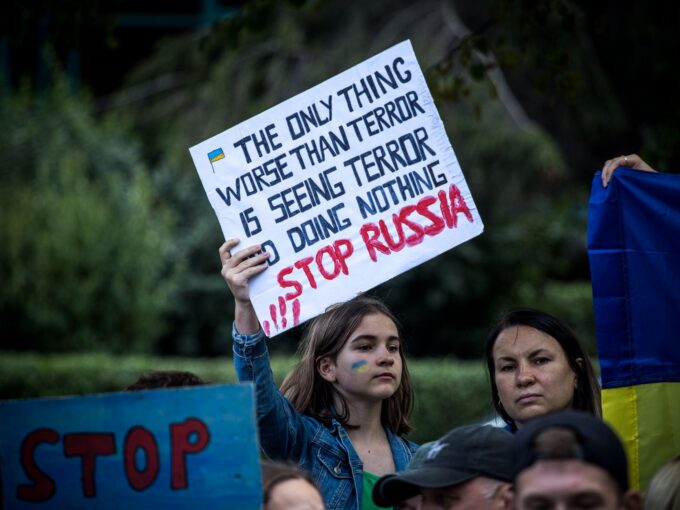
Russia’s War Against Ukraine Reaches 1,568 Days, Echoing World War I’s Duration
The protracted conflict between Russia and Ukraine now matches the length of...
1 Mins read

Ukraine Successfully Repatriates More POWs from Russian Captivity Than Remain
This significant POW exchange demonstrates Ukraine's ongoing commitment to its military personnel...
1 Mins read



White House Grapples with Fallout from Epstein Revelations
The international community watches closely as the White House confronts implications of...
1 Mins read

Leave a comment