
US President Urges Hamas to Uphold Ceasefire with Israel

In a significant diplomatic move, the President of the United States has publicly urged Hamas to respect the ongoing ceasefire with Israel, emphasizing the necessity for both parties to maintain peace in the region. This statement, made in the early hours of June 8, 2026, comes amidst escalating tensions that have seen sporadic violence and military exchanges in recent weeks, threatening to destabilize the broader Middle Eastern landscape.
The President’s remarks reflect a growing concern within the international community regarding the potential for renewed hostilities between the Israeli government, led by Prime Minister Naftali Bennett, and Hamas, which governs the Gaza Strip. The ceasefire, brokered with the assistance of various international actors, including Egypt and Qatar, had provided a temporary reprieve from violence, but recent skirmishes have raised alarms about its viability.
This situation is critical not only for the immediate stakeholders—Israel and Hamas—but also for global stability. The Middle East remains a focal point for international security, energy supplies, and geopolitical alliances. The implications of a breakdown in the ceasefire extend beyond regional borders, potentially affecting global oil markets and international diplomatic relations, particularly between the U.S. and its allies in the region.
Looking ahead, the President’s call for adherence to the ceasefire may serve as a precursor to renewed diplomatic efforts aimed at a more durable solution to the Israeli-Palestinian conflict. However, the success of these efforts hinges on the willingness of both Hamas and Israel to engage in constructive dialogue. Should hostilities resume, the consequences could reverberate throughout the region and beyond, underscoring the urgent need for sustained international engagement in Middle Eastern affairs.
Source: News On AIR










Trump Reports $1.2 Billion Earnings from Crypto Ventures in 2025
Trump's substantial crypto earnings raise questions about the influence of digital currencies...
 1 Mins read
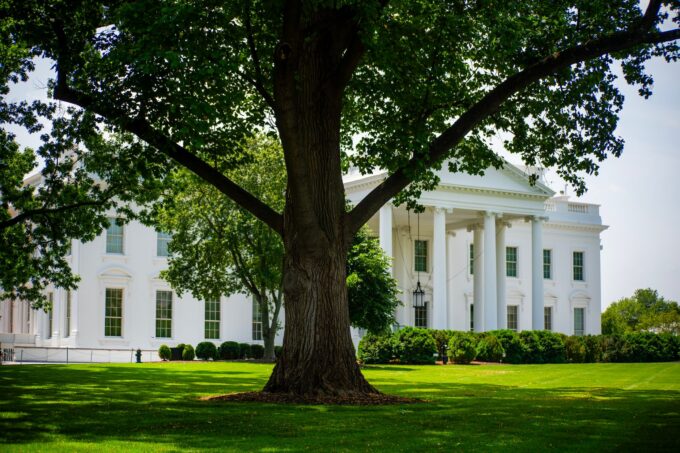
Trump White House Faces New Legal Challenges Amidst Ongoing Investigations
The latest developments in the Trump White House highlight significant legal challenges...
1 Mins read
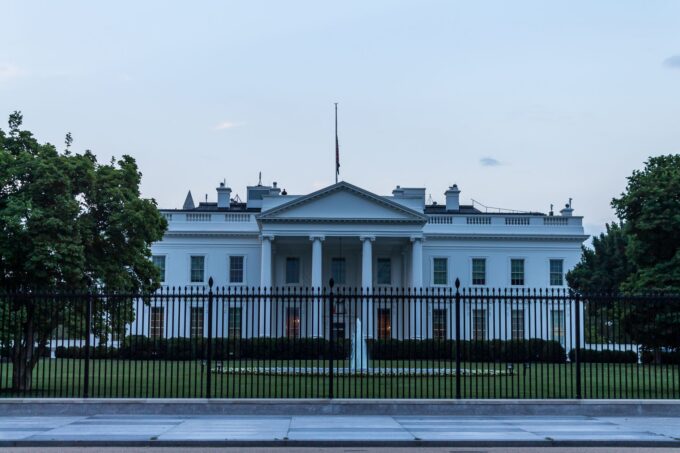
Former White House Lawyer Declares Trump & Sons’ Crypto Deal Illegal
The legality of a cryptocurrency deal involving Donald Trump and his sons...
1 Mins read



Trump Reports Billions in Income Following White House Return
Trump's recent income disclosure raises critical questions about transparency and influence in...
1 Mins read
