
Venezuela Faces Catastrophic Loss as Earthquake Claims Over 4,000 Lives
 ABLUpdated 4 weeks Ago1 Mins read50

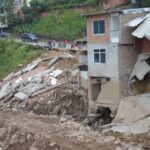
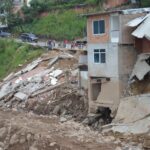
On July 11, 2026, Venezuela is reeling from a catastrophic earthquake that has resulted in the deaths of over 4,000 individuals. The quake, which struck in the early hours, has devastated multiple regions, with the hardest-hit areas being in the northern coastal states. Rescue efforts are underway, but the scale of destruction poses significant challenges, with collapsed buildings and disrupted infrastructure hampering immediate responses.
The Venezuelan government, led by President Nicolás Maduro, is grappling with the dual crises of humanitarian need and political instability. The earthquake’s timing exacerbates an already dire situation in a country suffering from hyperinflation, food shortages, and a mass exodus of its citizens. As the government calls for international assistance, questions arise regarding its capacity to manage both the disaster response and the ongoing economic turmoil.
This event is particularly significant on the global stage as it highlights the vulnerabilities of nations susceptible to natural disasters, especially those with existing socio-economic challenges. The international community’s response to Venezuela’s plight may set a precedent for future disaster management policies and humanitarian aid frameworks. The situation also brings into focus the need for comprehensive disaster preparedness strategies in earthquake-prone regions, which are often overlooked in favor of immediate political concerns.
Looking ahead, the aftermath of this earthquake could lead to an escalation in international humanitarian efforts, with countries and organizations mobilizing resources to aid in recovery. However, the effectiveness of these efforts will depend heavily on the Venezuelan government’s willingness to cooperate and the ability of aid organizations to operate within the country’s complex political landscape. The potential for increased instability in the region remains a critical concern, as the humanitarian crisis unfolds.
Source: bluewin.ch








Reflections on the Pandemic: Insights from ‘Our Fauci Diaries’
The insights from 'Our Fauci Diaries' are crucial as the world navigates...
 1 Mins read

Collin Gosselin Expresses Pride in Addressing Family Dynamics in Letter to Younger Self
Collin Gosselin's public reflection on family struggles highlights broader issues of mental...
1 Mins read

Juan Soto Placed on Injured List as Nationals Make Roster Adjustments
The injury to Juan Soto underscores the Nationals' challenges and has implications...
1 Mins read



NASCAR Silly Season 2026-2027 Unfolds with Key Player Shifts
The 2026-2027 NASCAR Silly Season reshapes team dynamics, influencing competition and fan...
1 Mins read
