
Venezuela’s Earthquake Death Toll Exceeds 4,000 Amid Ongoing Crisis
 ABLUpdated 4 weeks Ago1 Mins read50
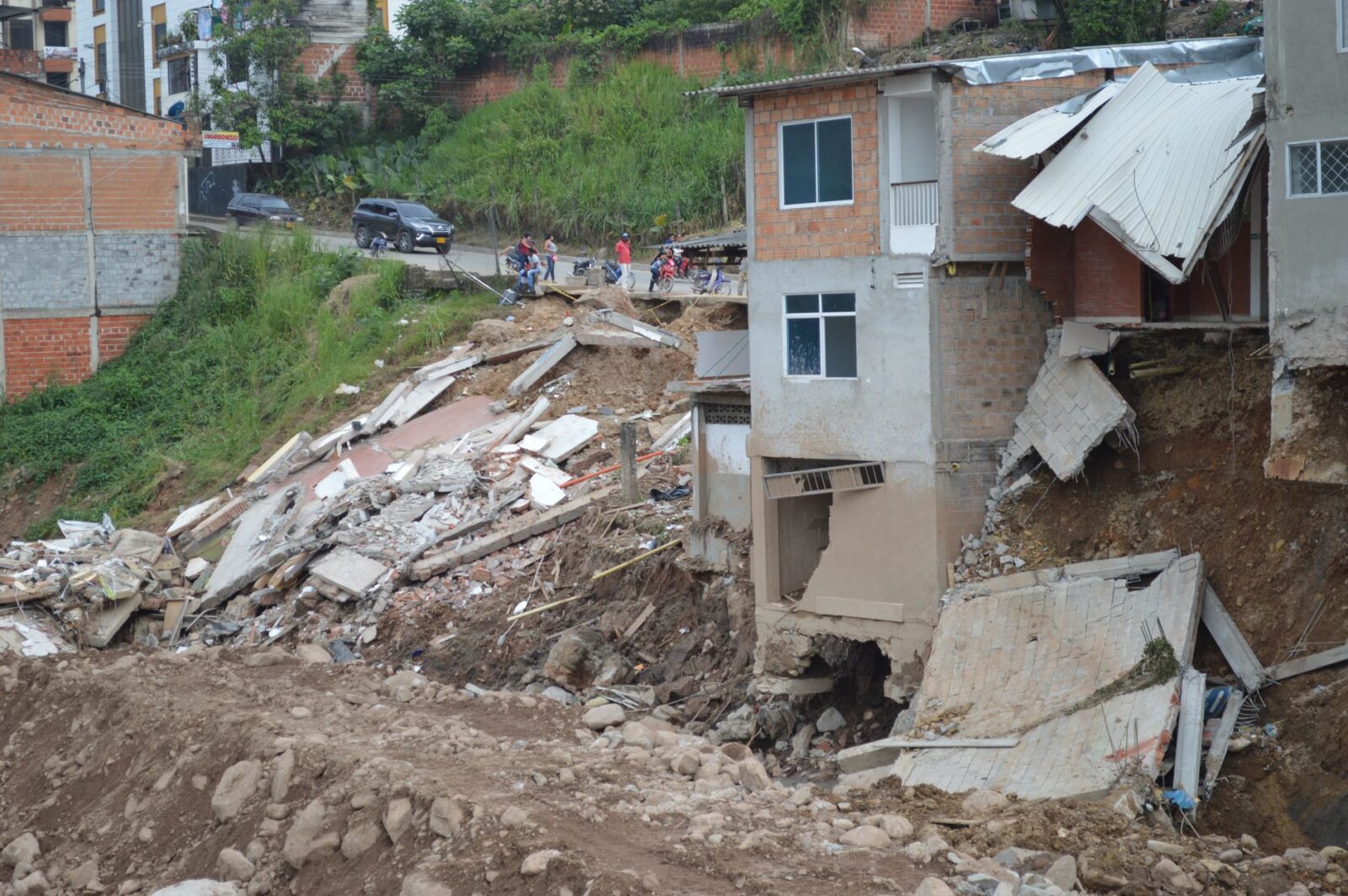
As of July 11, 2026, the death toll from a series of devastating earthquakes in Venezuela has surpassed 4,000, marking one of the deadliest natural disasters to strike the nation in recent history. These seismic events, which began on July 9, have wreaked havoc across multiple regions, with the most significant damage reported in the coastal city of La Guaira and the capital, Caracas. Rescue operations are ongoing, but the scale of destruction has overwhelmed local resources and capabilities.
The Venezuelan government, led by President Nicolás Maduro, has declared a state of emergency in response to the disaster, which has not only claimed lives but also left thousands injured and displaced. The National Bolivarian Armed Forces have been mobilized to assist in search and rescue efforts, but reports indicate that logistical challenges and infrastructure damage are severely hampering these operations. International aid has begun to trickle in, but the response has been criticized for being too slow given the magnitude of the crisis.
This catastrophic event holds significant implications on a global scale. Venezuela, already grappling with a severe economic and humanitarian crisis, faces a compounded disaster that is likely to exacerbate its existing vulnerabilities. The country’s health system, already on the brink of collapse, is ill-equipped to handle the influx of patients resulting from the earthquakes. Furthermore, the potential for widespread food and water shortages poses a dire threat to the population, which could lead to increased migration pressures in the region.
Looking ahead, the international community must prioritize a coordinated humanitarian response to mitigate the crisis. As the situation develops, global leaders and organizations will need to assess their roles in providing aid while also considering the long-term implications for Venezuela’s stability. Without immediate and effective intervention, the death toll may continue to rise, and the social and political ramifications could destabilize the region further.
Source: Free Malaysia Today








Reflections on the Pandemic: Insights from ‘Our Fauci Diaries’
The insights from 'Our Fauci Diaries' are crucial as the world navigates...
 1 Mins read

Collin Gosselin Expresses Pride in Addressing Family Dynamics in Letter to Younger Self
Collin Gosselin's public reflection on family struggles highlights broader issues of mental...
1 Mins read

Juan Soto Placed on Injured List as Nationals Make Roster Adjustments
The injury to Juan Soto underscores the Nationals' challenges and has implications...
1 Mins read



NASCAR Silly Season 2026-2027 Unfolds with Key Player Shifts
The 2026-2027 NASCAR Silly Season reshapes team dynamics, influencing competition and fan...
1 Mins read
