
Venezuelan Government Implements Controversial Weapon Technology Policy

On July 30, 2026, the Venezuelan government announced a new policy regarding the development and deployment of advanced weapon technologies, a move that has drawn immediate scrutiny from both domestic and international observers. This announcement was made during a press conference at the Ministry of Defense in Caracas, where officials outlined the strategic importance of enhancing the nation’s military capabilities amid ongoing economic challenges and regional tensions.
The decision involves key figures, including Defense Minister Vladimir Padrino López, who emphasized the need for greater autonomy in military production and a shift towards modernized weaponry. The policy is seen as a direct response to perceived threats from neighboring countries and is positioned within the framework of Venezuela’s constitutional mandate to protect national sovereignty as outlined in Article 1 of the Bolivarian Constitution, which asserts the right of the state to defend its integrity.
This development matters significantly on multiple levels. Nationally, it reflects the government’s intent to consolidate power and assert military strength, potentially exacerbating internal dissent given the economic context characterized by hyperinflation and widespread poverty. Regionally, it raises alarms among neighboring states, particularly Colombia and Brazil, regarding an arms race and the implications for border security. Globally, this policy could affect Venezuela’s standing in international forums, especially considering ongoing sanctions and diplomatic isolation imposed by the United States and the European Union.
Looking ahead, analysts predict that this policy could lead to increased military engagements within the region, as neighboring countries may respond by bolstering their own defense capabilities. Moreover, the international community may seek to impose further sanctions or diplomatic measures aimed at curbing Venezuela’s military ambitions. The efficacy of this policy will largely depend on the government’s ability to manage both the internal economic crisis and external diplomatic pressures, raising critical questions about the future of democratic governance and civil liberties in Venezuela.
Source: Vocal









FBI Investigates Trump for Potential Russian Asset Links Following Comey Dismissal
The FBI's secret investigation into Trump's potential ties to Russia raises critical...
 1 Mins read

FBI’s Secret Investigation into Trump as Potential Russian Asset Uncovered in Declassified Memos
The revelation of the FBI's investigation into Trump as a potential Russian...
1 Mins read
New Intelligence Reveals Allegations of FBI Misconduct in Trump Investigation
Recent intelligence suggests potential misconduct by the FBI in the investigation of...
1 Mins read
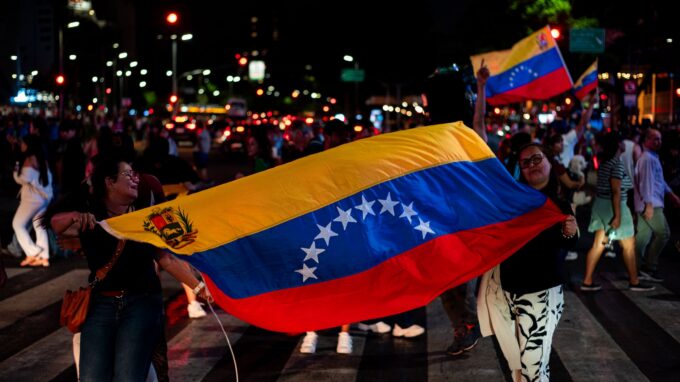


Venezuela Faces New Political Challenges Amid Economic Turmoil on August 6, 2026
Venezuela's political landscape shifts dramatically as economic pressures intensify, affecting governance and...
1 Mins read

Leave a comment