
Venezuela’s Twin Earthquakes Claim 4,118 Lives, Government Confirms
 ABLUpdated 4 weeks Ago1 Mins read41
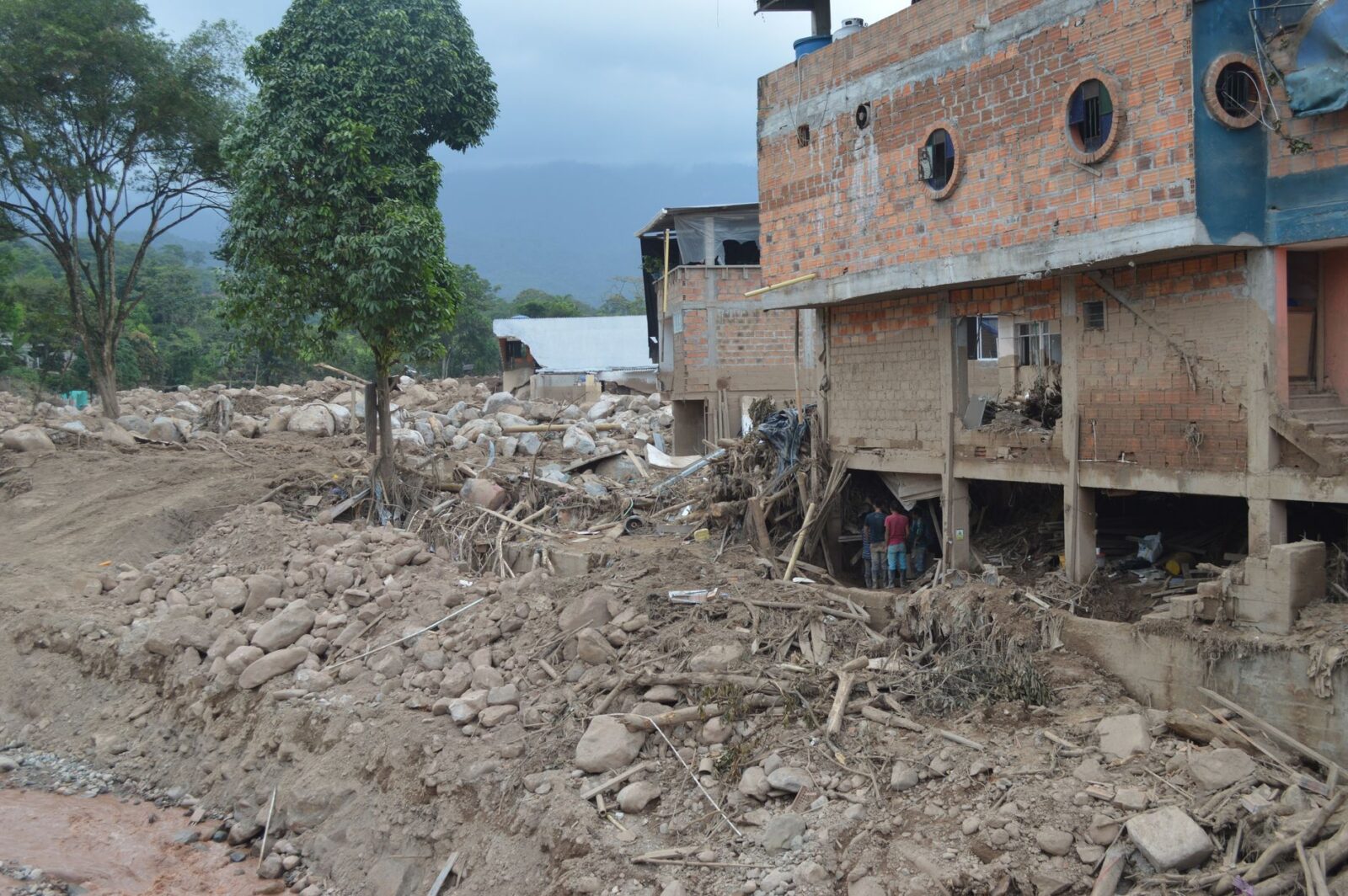
In a devastating update, Venezuelan government officials have confirmed that the death toll from the twin earthquakes that struck the country has risen to 4,118. The seismic events, which occurred within hours of each other on July 9, 2026, have caused widespread destruction, particularly in the northern regions, where many buildings and infrastructure were already dilapidated due to years of economic turmoil and neglect.
The earthquakes, measured at magnitudes of 7.2 and 6.8 on the Richter scale, have drawn international attention as the Venezuelan government struggles to respond to the humanitarian crisis. The nation, already grappling with severe shortages of food, medicine, and basic services, now faces an overwhelming challenge as search and rescue teams work against time to locate survivors amid the rubble. The situation has been exacerbated by ongoing political instability, which has hindered both local and international disaster response efforts.
This tragedy matters profoundly on a global scale as it highlights the vulnerabilities of nations facing economic and political crises when disaster strikes. The international community is now being called to action, with several countries and organizations considering offers of aid and support. The United Nations has already indicated its readiness to assist, but the effectiveness of these efforts will depend heavily on the Venezuelan government’s willingness to cooperate and allow foreign assistance to enter.
Looking ahead, the aftermath of these earthquakes could lead to significant shifts in Venezuela’s political landscape. As public frustration mounts over the government’s handling of the crisis, there is potential for increased civil unrest. Furthermore, the disaster could catalyze a renewed focus on global disaster preparedness and response, emphasizing the need for countries to strengthen their resilience against natural disasters, especially in regions already facing socio-economic challenges.
Source: TRT World









Reflections on the Pandemic: Insights from ‘Our Fauci Diaries’
The insights from 'Our Fauci Diaries' are crucial as the world navigates...
 1 Mins read

Collin Gosselin Expresses Pride in Addressing Family Dynamics in Letter to Younger Self
Collin Gosselin's public reflection on family struggles highlights broader issues of mental...
1 Mins read

Juan Soto Placed on Injured List as Nationals Make Roster Adjustments
The injury to Juan Soto underscores the Nationals' challenges and has implications...
1 Mins read



NASCAR Silly Season 2026-2027 Unfolds with Key Player Shifts
The 2026-2027 NASCAR Silly Season reshapes team dynamics, influencing competition and fan...
1 Mins read
