
White House Unveils Framework for Ending Iran Conflict and Reopening Strait of Hormuz
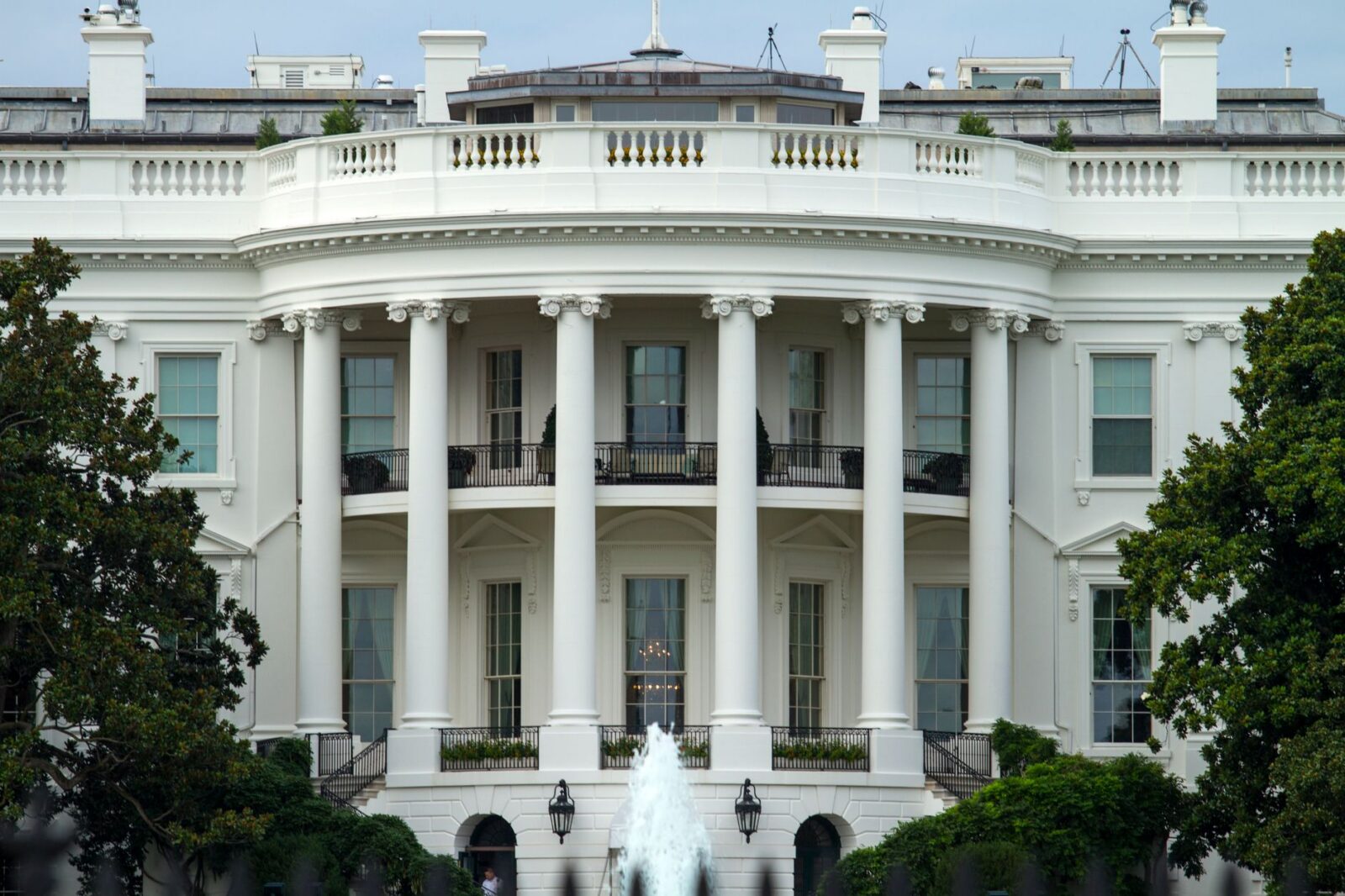
On June 17, 2026, the White House released a detailed outline aimed at resolving the ongoing conflict in Iran and facilitating the reopening of the strategically crucial Strait of Hormuz. This announcement arrives amid escalating tensions that have significantly impacted global oil supplies and international diplomatic relations.
Key stakeholders in this initiative include the United States government, Iranian officials, and regional allies. The proposed deal outlines a phased approach to de-escalation, emphasizing diplomatic negotiations that would involve lifting certain sanctions against Iran in exchange for guaranteed compliance with international maritime laws and a commitment to cease hostile activities in the region.
This development is critical on multiple fronts. The Strait of Hormuz, through which approximately 20% of the world’s petroleum passes, has been a flashpoint for conflict, threatening global energy security. The resolution of the Iran conflict could stabilize oil markets, reducing volatility that has plagued prices for months. Furthermore, success in these negotiations may pave the way for a broader reconciliation process in the Middle East, potentially altering alliances and trade relationships.
Looking ahead, if the outlined framework is accepted and implemented, it could lead to a significant shift in U.S.-Iran relations, fostering a more stable geopolitical landscape. However, the path to a final agreement remains fraught with challenges, including potential opposition from hardline factions within Iran and skepticism among U.S. allies in the region. Continued engagement and monitoring of the situation will be essential as both parties navigate the complexities of this high-stakes negotiation.
Source: Eurasia Review









Belgium’s Russian Gas Imports Surge Amid Ongoing Energy Crisis
Belgium's increased Russian gas imports raise significant geopolitical concerns as Europe navigates...
 1 Mins read

Trump’s Bathroom Preferences Raise Concerns Over White House Hygiene Standards
Trump's bathroom habits could pose significant hygiene risks, impacting the integrity of...
1 Mins read

US-Iran Tensions Escalate as Ceasefire Holds Amid Airspace Closures
Global leaders watch closely as US-Iran tensions rise, impacting international security and...
1 Mins read


Trump convenes at Camp David amid escalating Iran deal opposition
Global leaders must scrutinize the implications of Trump's Camp David meetings as...
1 Mins read

Leave a comment