
A New Era of Economic Pressure: The U.S. Strategy Toward Cuba
Unfolding Tensions
The geopolitical landscape of the Caribbean is undergoing significant changes, particularly with the heightened economic sanctions imposed by the United States on Cuba. The Trump administration has taken a decisive step, intensifying its approach towards the socialist nation already grappling with a multitude of existing restrictions. This latest wave of sanctions targets several state-run enterprises, exacerbating Cuba’s economic struggles.
Strategic Sanctions
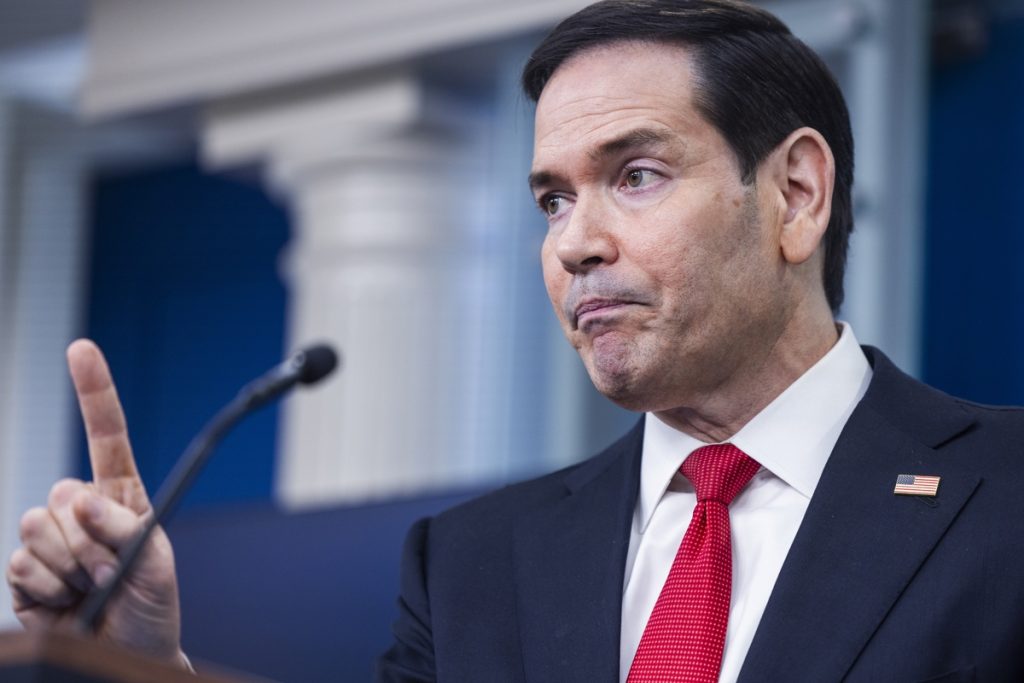
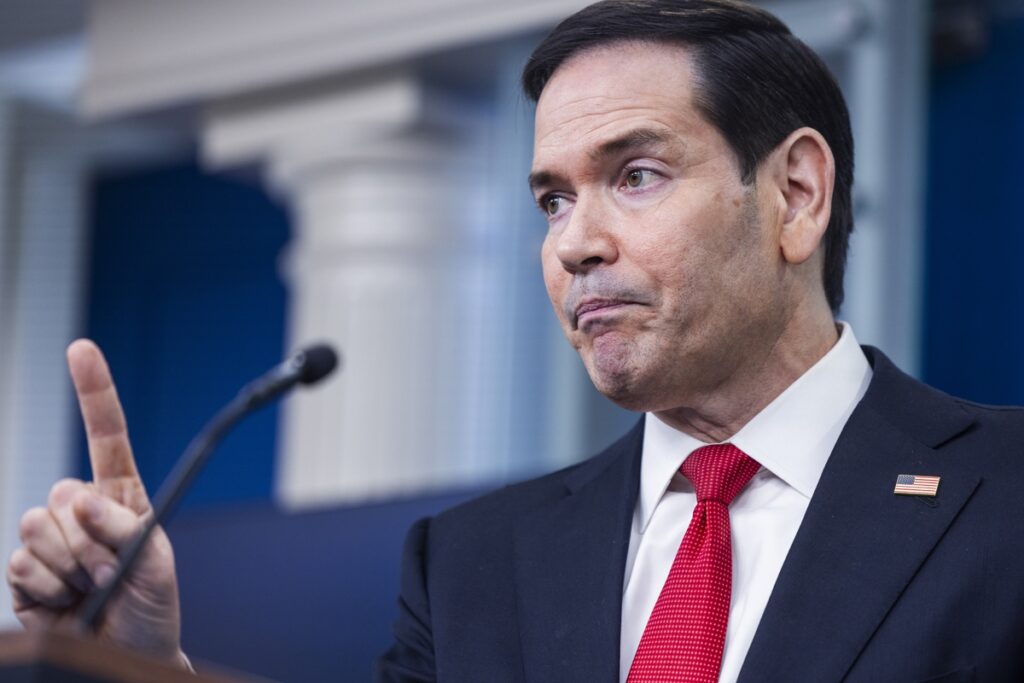
Announced by the U.S. Departments of Treasury and State, the new sanctions affect nine state-owned companies across critical sectors such as mining, metals, and construction. Among those sanctioned is the Cuban Institute of Friendship with the Peoples (ICAP), an organization accused of fostering a network that allegedly undermines American interests. Secretary of State Marco Rubio emphasized that these actions are a necessary response to Cuba’s ongoing efforts to finance its oppressive regime and export its ideology abroad.
Historical Context
The backdrop of these sanctions is steeped in a long history of U.S.-Cuban relations marked by tension and conflict. The Trump administration’s policy reflects a continuity of the hardline stance that has characterized U.S. foreign relations with Cuba for decades. Rubio’s remarks highlight a perceived urgency to counteract the Cuban government’s attempts to strengthen its position both domestically and internationally, especially in light of recent commemorations of Fidel Castro’s rule.
A Ripple Effect
The repercussions of these sanctions extend far beyond the island itself. The economic policies enacted by the U.S. have led to a significant downturn in Cuba’s economy, which has already been in decline. With the added pressure of a U.S. oil blockade—triggered by the military intervention in Venezuela that previously supplied Cuba with essential resources—the island faces an escalating humanitarian crisis. This situation not only affects the Cuban populace but also has implications for regional stability and U.S. foreign policy, particularly regarding its relationship with Venezuela.
Miami’s Connection
For Miami, a city with a vibrant Cuban-American community, the unfolding situation in Cuba resonates deeply. Many residents have familial ties to the island, and the policies enacted by the U.S. government are closely monitored and often debated within the community. The implications of sanctions can lead to a sense of urgency among Miami’s Cubans, as they advocate for changes that could benefit their loved ones back home.
Looking Ahead
The Trump administration’s commitment to tightening economic restrictions suggests a long-term strategy aimed at destabilizing the Cuban government. Observers note that this approach may not only deepen Cuba’s economic woes but also create further divisions between the two nations. As the situation evolves, it remains to be seen how these sanctions will reshape the future of U.S.-Cuban relations and the broader geopolitical dynamics of the Caribbean.
Editorial note: This article was created by A Bit Lavish Miami’s Magazine as an original editorial reinterpretation based on publicly available reporting. Original source: efectococuyo.com. Read the original article here: https://efectococuyo.com/internacionales/eeuu-impone-nuevas-sanciones-economicas-contra-cuba/.
Images are used for editorial reference with source credit. If an image requires correction or removal, please contact A Bit Lavish.






The Call for Technical Rigor in Reconstruction: Insights from Venezuela
Amidst the aftermath of recent earthquakes, the Colegio de Ingenieros de Venezuela...
 2 Mins read
Cisneros Heirs Demand Reinstatement of Petrodelta Assets Amid Controversial Claims
The heirs of Oswaldo Cisneros are calling for the restoration of Petrodelta...
 ABL2 Mins read
Echoes of Innocence: The Unseen Toll of Venezuela’s Earthquake on Young Lives
A poignant exploration of the impact of the June 24 earthquakes in...
ABL2 Mins read


A Step Towards Freedom: The Release of Political Prisoners in Venezuela
The recent release of three military personnel in Venezuela highlights ongoing human...
ABL2 Mins read

Leave a comment