
Bridging the Gap: The Imperative for Inclusive AI in Skin Cancer Detection

Uneven Terrain in Healthcare Innovation
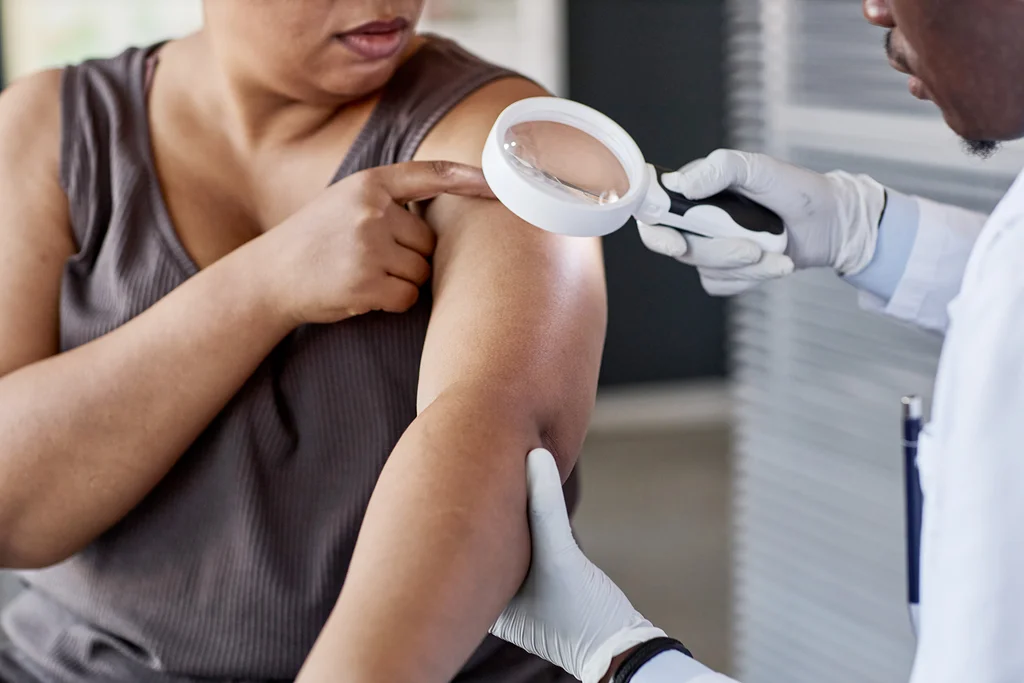
In an era where artificial intelligence (AI) is revolutionizing healthcare, particularly in dermatology, a significant oversight looms large. As individuals navigate their health, the emergence of AI-driven skin cancer detection tools has been heralded as a breakthrough. However, these innovations, while promising, exhibit a troubling bias. They demonstrate accuracy predominantly for those with lighter skin tones, leaving a substantial segment of the population—particularly patients of color—at risk of misdiagnosis and inadequate care.
AI’s Hidden Bias
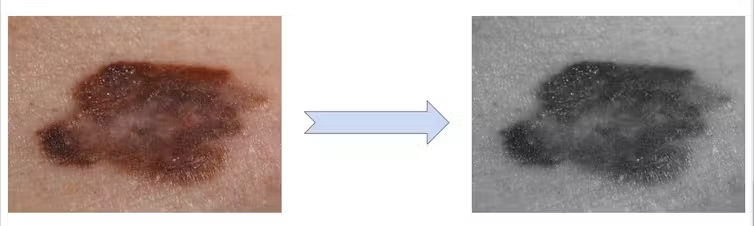
At the heart of the matter lies a fundamental misconception about AI’s objectivity. AI models function as advanced pattern recognizers, learning to associate visual features with various conditions. However, their accuracy is heavily influenced by the datasets used to train them. A recent investigation revealed that when dermatological AI tools were trained primarily on images of light skin, their performance in recognizing conditions on darker skin tones diminished dramatically. This poses a critical challenge, as skin cancers like melanoma can be visually less discernible on pigmented skin, leading to delayed diagnoses and poorer outcomes.
The Stakes for Patients of Color
Statistics indicate that patients of color are more frequently diagnosed with melanoma at later stages, exacerbating the survival disparity. AI’s shortcomings in recognizing skin conditions on darker skin could perpetuate these existing inequalities. For instance, conditions such as atopic dermatitis manifest differently based on skin pigmentation, yet AI tools are often calibrated to detect signs that are predominantly visible on lighter skin. This discrepancy necessitates urgent attention from the medical community and tech developers alike.

Addressing the Image Database Dilemma
The root of AI’s bias can be traced back to the composition of training datasets. Historically, medical image repositories have favored lighter skin tones, resulting in a lack of diversity in the visual data that informs AI learning. This imbalance creates a scenario where AI models are ill-equipped to identify skin conditions accurately across all demographics. The challenge is compounded by ethical considerations surrounding patient privacy when attempting to gather more representative images from individuals with darker skin.
Innovative Solutions on the Horizon
As researchers confront the limitations of current AI methodologies, innovative solutions are emerging. One potential avenue is the application of generative AI, capable of synthesizing realistic medical images across diverse skin tones. This technology holds promise for expanding the breadth of training datasets without compromising patient privacy. However, caution is warranted; the fidelity of these synthetic images to real-world conditions is critical. If AI models are trained on flawed representations, the resulting diagnostic tools may remain ineffective.
A Call for Inclusive Practices
The medical AI landscape stands at a pivotal juncture. While several AI skin-scanning applications are making their way into clinical and consumer spaces, the pressing need for comprehensive testing across diverse skin tones is paramount. Stakeholders in healthcare and technology must collaborate to ensure equitable access to accurate diagnostic tools. This includes advocating for the creation of more inclusive databases that reflect the true spectrum of human skin tones.
Conclusion: The Future of AI in Dermatology
Advancing AI in skin care is not merely a matter of technological development; it is a crucial issue of health equity. Addressing the disparities inherent in these systems is essential for fostering trust and efficacy in AI-driven dermatological diagnoses. As we move forward, it is imperative that we commit to building tools that serve all populations, ensuring that no one is left behind in the quest for better health outcomes.
Editorial note: This article was created by A Bit Lavish Miami’s Magazine as an original editorial reinterpretation based on publicly available reporting. Original source: fastcompany.com. Read the original article here: https://www.fastcompany.com/91601580/skin-cancer-detection-tools-powered-by-ai-are-improving-not-everyone-is-benefitting.
Images are used for editorial reference with source credit. If an image requires correction or removal, please contact A Bit Lavish.









Unlocking the Genius Within: Debunking Myths of Human Potential
Explore the neuroscience behind human potential and learn how to harness your...
 3 Mins read

Nintendo Confirms Revival of Super Smash Bros. and Nintendogs for Switch 2
The anticipated revival of iconic games highlights Nintendo's strategy to capture both...
1 Mins read

The Transformative Power of Diverse Networks in Miami’s Business Landscape
Explore how diverse networks enhance career growth, creativity, and well-being, especially in...
2 Mins read



Transforming Challenges into Triumph: The Entrepreneurial Journey of Andrea Palacio
Discover how Andrea Palacio turned a struggling landscaping business into a thriving...
3 Mins read

Leave a comment