
Ukraine’s Recent Strikes Trigger Severe Fuel Crisis in Russia
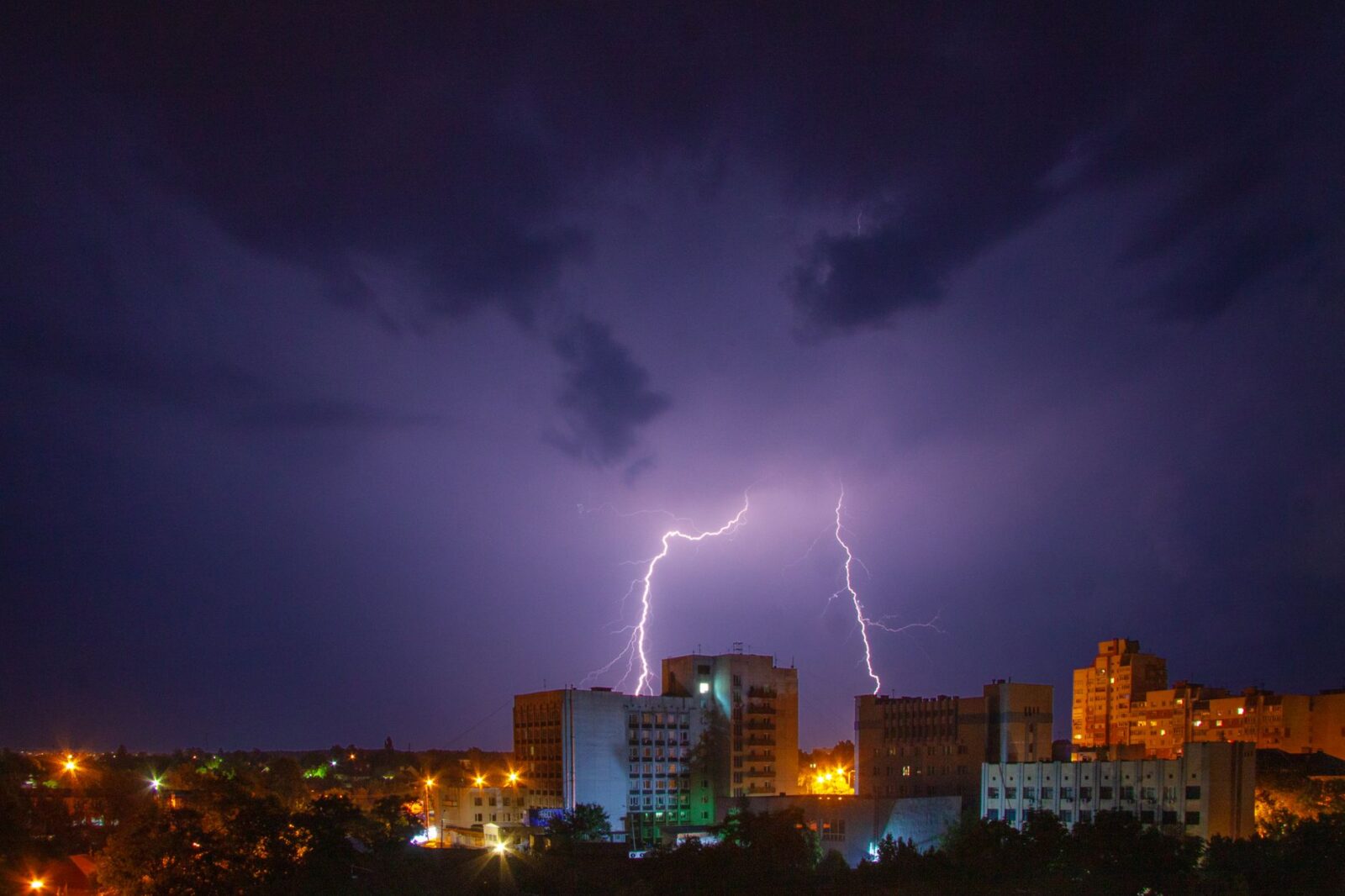
In a significant escalation of the ongoing conflict, Ukraine launched targeted strikes on key Russian fuel infrastructure over the past 48 hours, resulting in a severe fuel crisis across Russia. These strikes have specifically targeted facilities crucial for the production and distribution of petroleum, which is vital to the Russian economy and its military operations in Ukraine.
The Russian government, led by President Vladimir Putin, is facing unprecedented challenges as fuel shortages are reported across major cities, including Moscow and St. Petersburg. The immediate impact of these strikes has not only disrupted domestic supply chains but has also raised alarm bells within international markets, as Russia is one of the world’s largest oil exporters. Analysts are now projecting a potential increase in global oil prices, which could exacerbate inflationary pressures already felt in economies worldwide.
This situation is particularly critical given the backdrop of rising geopolitical tensions. The West, particularly the European Union and the United States, has been closely monitoring the conflict and its implications for global energy security. The fuel crisis in Russia could compel the Kremlin to reconsider its military strategies and energy policies, potentially leading to a shift in the dynamics of the ongoing war.
Looking ahead, the immediate future remains uncertain. Should the Ukrainian strikes continue, we may witness further retaliatory actions from Russia, which could escalate military engagements. Furthermore, the global economic landscape could be significantly altered as countries adjust their energy strategies in response to fluctuating oil prices. Stakeholders in the energy sector, including investors and policymakers, must prepare for a period of volatility as the ramifications of this crisis unfold.
Source: Modern Ghana








Hamas Dissolves Administrative Body in Gaza Strip
The dissolution of Hamas' administrative body signals potential shifts in governance and...
 1 Mins read
Ireland Enacts Legislation Prohibiting Goods from Israeli Settlements
Ireland's new law banning imports from Israeli settlements signals a significant shift...
1 Mins read

Egypt’s National Coach Calls for Global Solidarity with Palestinians Ahead of World Cup Match
The call for solidarity highlights the intersection of sports and global politics...
1 Mins read


Hamas Dissolves Governing Body, Leaving Gaza’s Future Uncertain
The dissolution of Hamas's governing body raises critical questions about Gaza's political...
1 Mins read

Leave a comment