
Hamas Dissolves Governing Body, Leaving Gaza’s Future Uncertain
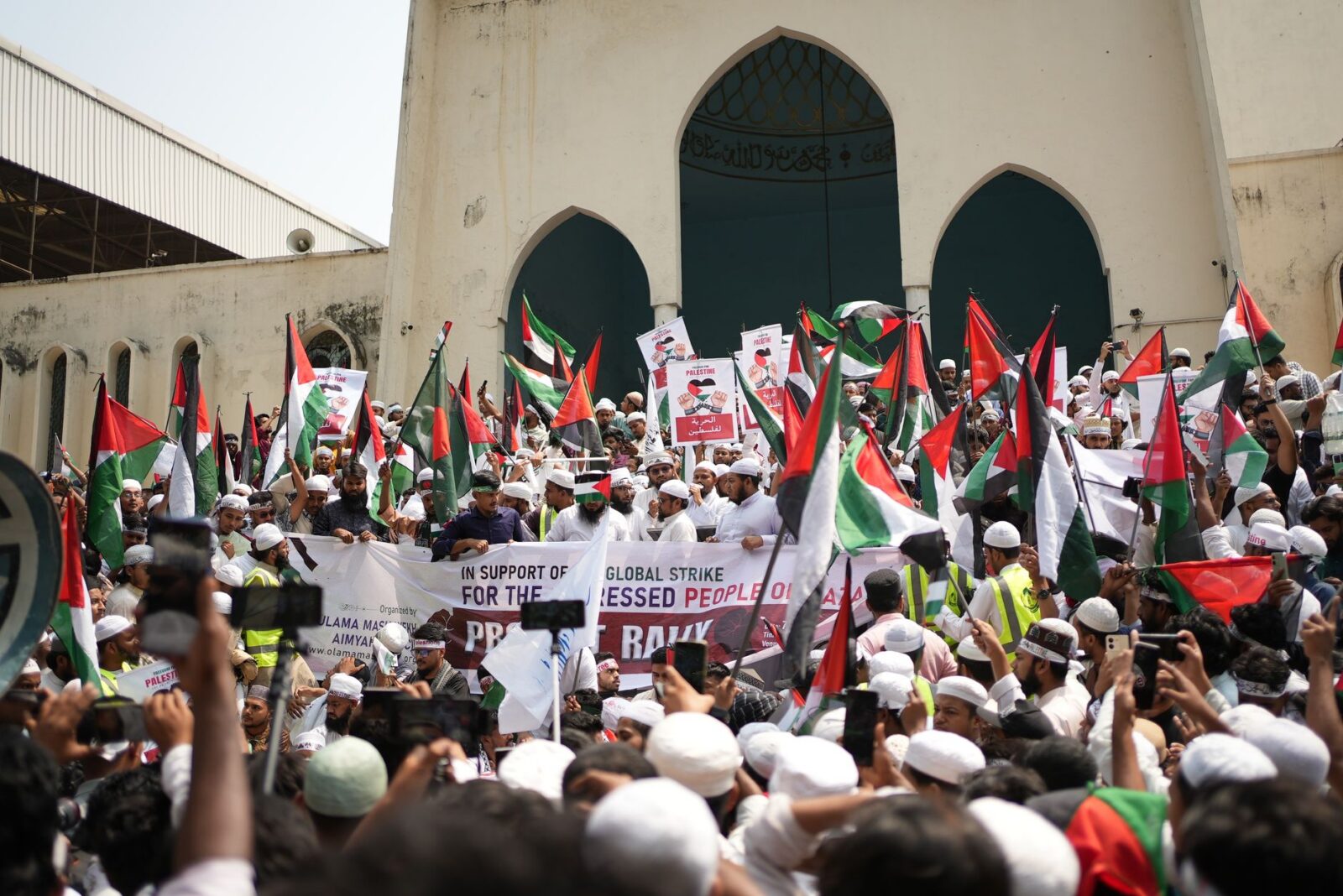
In a significant and unexpected move, Hamas announced the dissolution of its governing body in Gaza, a decision that has sent shockwaves through the region. This development comes amidst ongoing tensions and humanitarian crises in the enclave, which has been under Hamas control since 2007. The governing body, which had been instrumental in managing the day-to-day affairs of Gaza, was disbanded as part of an internal restructuring, although the specifics behind this decision remain unclear.
The implications of this dissolution are profound. Hamas, a group that has been designated as a terrorist organization by several countries including the United States and the European Union, has been a central player in Palestinian politics and has influenced the broader Middle East landscape. The absence of a governing body could lead to a power vacuum, exacerbating an already volatile situation in Gaza, where over two million residents face dire humanitarian conditions.
This abrupt shift raises questions about the future of governance in Gaza and the potential for other factions, such as the Palestinian Authority or even new political entities, to fill the void. The international community is closely monitoring the situation, as instability in Gaza could have far-reaching consequences for Israeli-Palestinian relations, especially with the backdrop of recent escalations in violence. The potential for renewed conflict is particularly concerning given the fragile ceasefires that have occasionally held in the region.
Looking ahead, the global community must be vigilant. The dissolution of Hamas’s governing body could either pave the way for a more unified Palestinian leadership or lead to increased fragmentation and conflict. The international response will be crucial in determining whether this moment is an opportunity for peace or a precursor to further unrest.
Source: The Straits Times






Hamas Dissolves Administrative Body in Gaza Strip
The dissolution of Hamas' administrative body signals potential shifts in governance and...
 1 Mins read
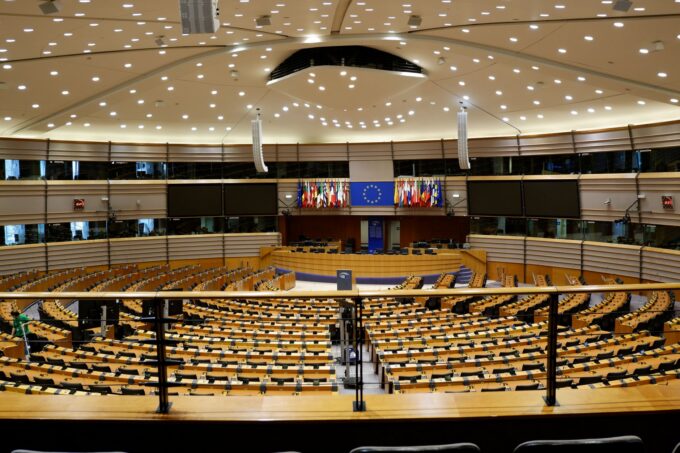
Ireland Enacts Legislation Prohibiting Goods from Israeli Settlements
Ireland's new law banning imports from Israeli settlements signals a significant shift...
1 Mins read

Egypt’s National Coach Calls for Global Solidarity with Palestinians Ahead of World Cup Match
The call for solidarity highlights the intersection of sports and global politics...
1 Mins read
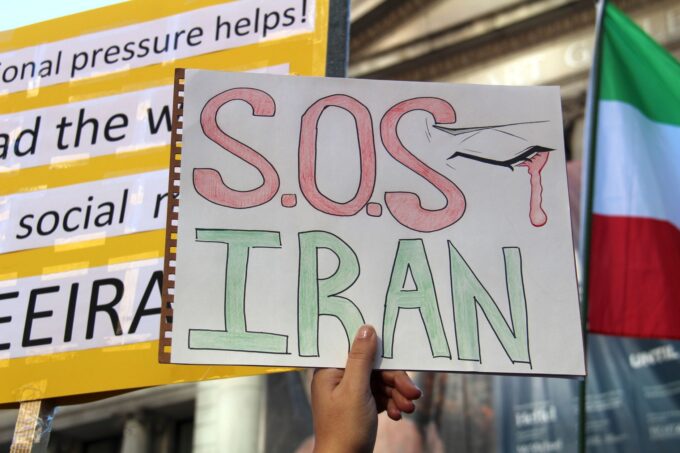


US Air Strikes on Iran Trigger Air Raid Sirens in Bahrain and Kuwait
The recent US military action against Iran raises tensions in the Middle...
1 Mins read
Leave a comment