
Marjorie Taylor Greene Critiques Donald Trump’s Attack on Taylor Swift Amidst Global Cultural Tensions
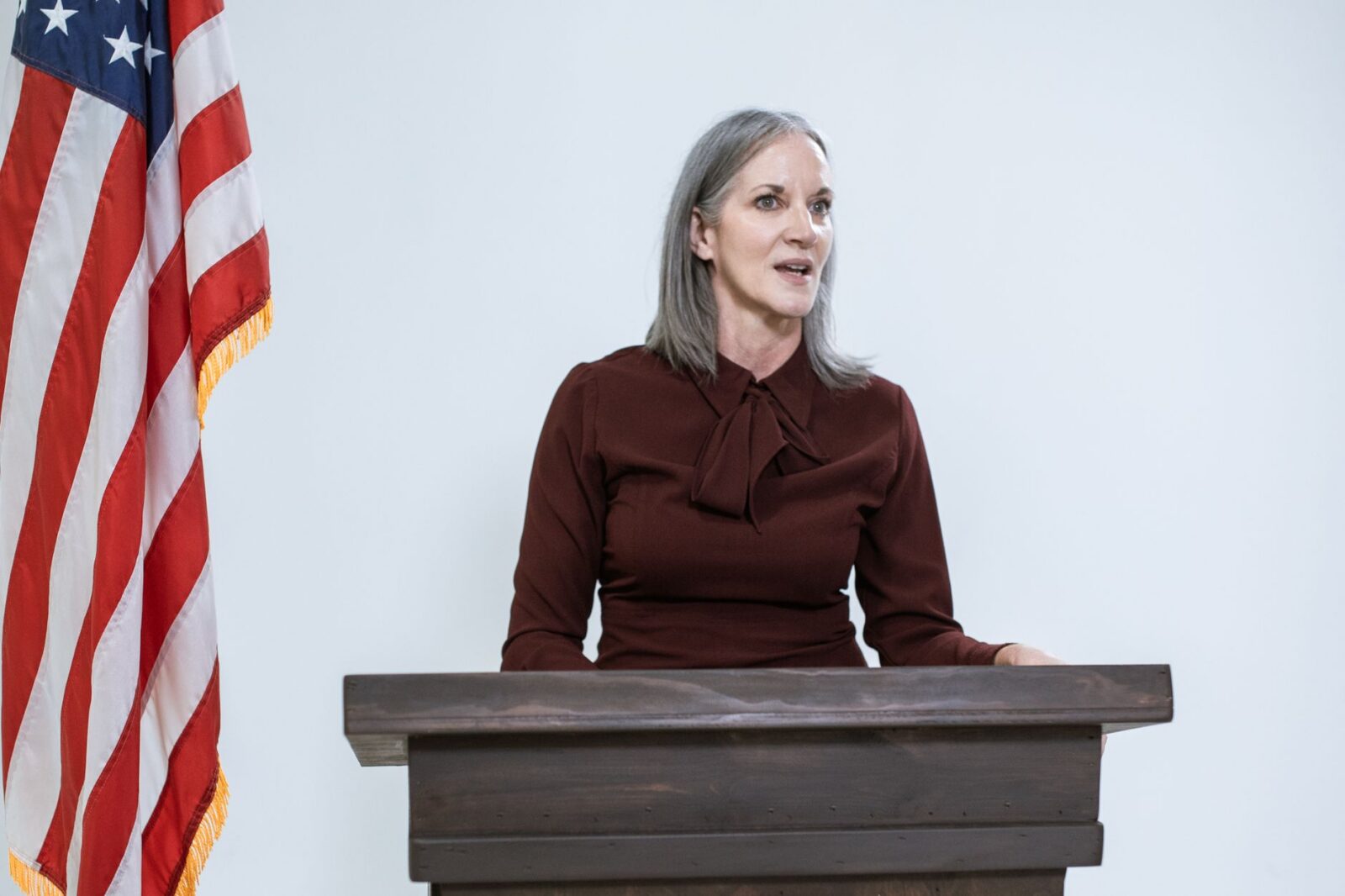
In a notable public exchange on July 8, 2026, former Representative Marjorie Taylor Greene publicly condemned Donald Trump for his recent criticism of newlywed pop icon Taylor Swift. Trump’s remarks, perceived as an attempt to undermine Swift’s cultural influence, prompted Greene to label the attack as ‘absurd.’ This incident underscores the ongoing tensions between political figures and cultural icons, particularly as Swift has emerged as a powerful voice in social justice issues and youth engagement.
The interaction between Greene and Trump is particularly significant given Swift’s recent marriage, which has captured widespread media attention. Trump’s comments not only reflect his longstanding contentious relationship with celebrities but also highlight his strategy of leveraging public figures to galvanize his base. Greene’s defense of Swift, despite her own controversial political history, indicates a potential shift in the dynamics of political alliances, especially as figures like Swift continue to wield significant cultural capital.
This event matters on a global scale as it reflects broader societal trends where celebrity culture increasingly intersects with political discourse. As the world becomes more interconnected, the influence of artists and public figures can shape political narratives and public opinion. Swift’s ability to mobilize her fanbase—particularly younger voters—could have implications for future electoral outcomes, especially as the United States approaches the 2028 presidential elections.
Looking ahead, this incident may signal a shift in how political figures engage with cultural icons. As celebrities like Swift continue to voice their opinions on critical issues, we may expect more confrontations between political leaders and public figures. The potential for these interactions to influence political campaigns and voter sentiment raises important questions about the future landscape of American politics and its global implications.
Source: Us Weekly








Hamas Dissolves Administrative Body in Gaza Strip
The dissolution of Hamas' administrative body signals potential shifts in governance and...
 1 Mins read
Ireland Enacts Legislation Prohibiting Goods from Israeli Settlements
Ireland's new law banning imports from Israeli settlements signals a significant shift...
1 Mins read

Egypt’s National Coach Calls for Global Solidarity with Palestinians Ahead of World Cup Match
The call for solidarity highlights the intersection of sports and global politics...
1 Mins read



Hamas Dissolves Governing Body, Leaving Gaza’s Future Uncertain
The dissolution of Hamas's governing body raises critical questions about Gaza's political...
1 Mins read

Leave a comment