
Trump Claims Credit for Walmart Price Cuts Amidst Retailer’s Silence on White House Influence
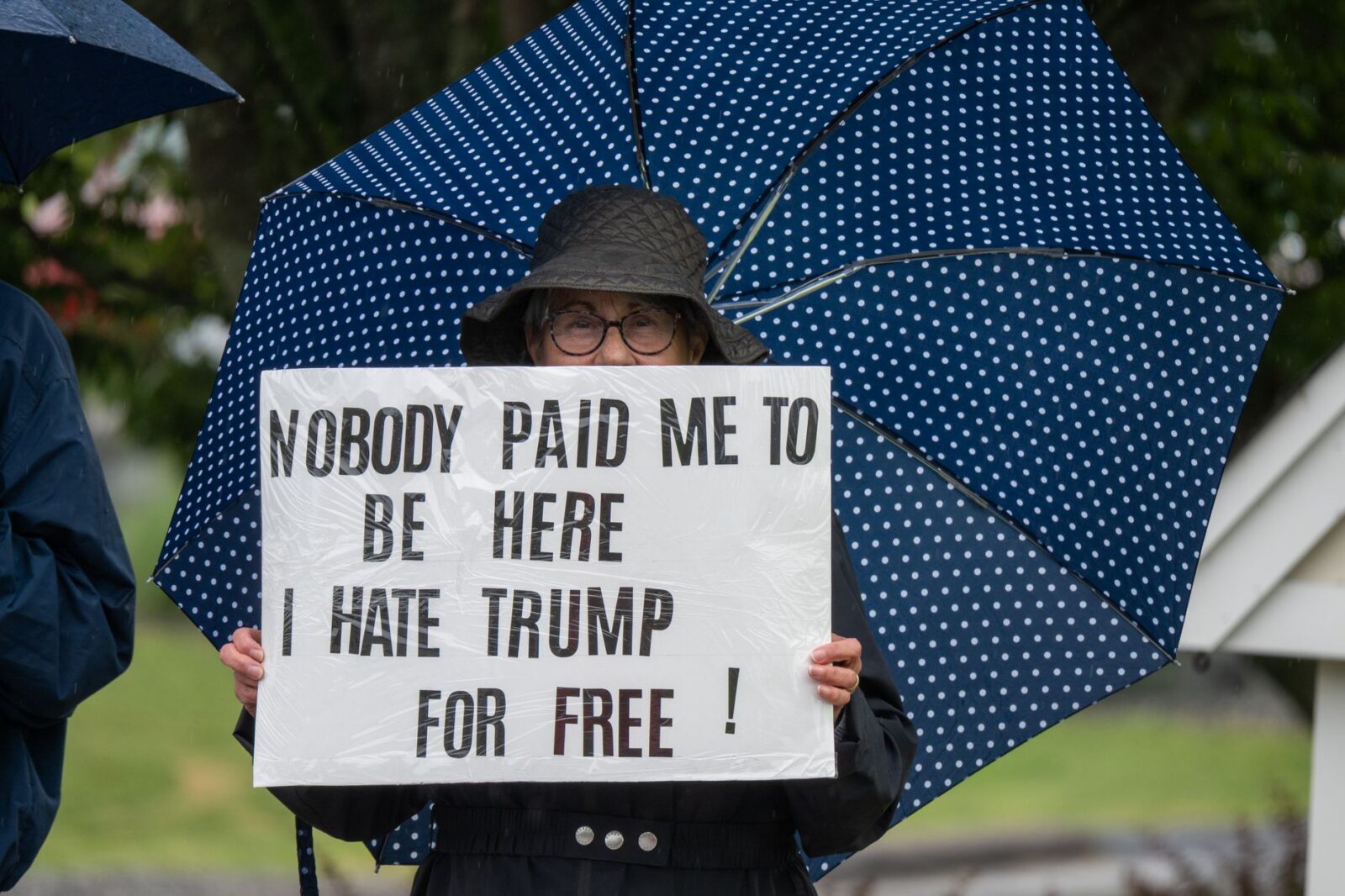
In a significant development on July 7, 2026, former President Donald Trump publicly claimed responsibility for recent price cuts implemented by retail giant Walmart. This assertion has raised eyebrows, particularly as Walmart has refrained from confirming any direct influence from the White House in its pricing strategies. The price reductions, which could potentially affect millions of consumers, are seen as a response to ongoing inflationary pressures that have burdened American households.
Walmart, a cornerstone of the U.S. retail landscape, has been facing mounting criticism over rising prices, which have contributed to a national discourse on economic recovery and consumer affordability. Trump’s comments come at a time when the retail sector is under scrutiny, and any perceived political intervention could have far-reaching implications for both corporate governance and consumer trust. By positioning himself as a catalyst for these price cuts, Trump seeks to reinforce his influence in economic discussions, particularly as he eyes a potential return to political office.
The global significance of this event lies in the potential ripple effects on consumer markets and inflation rates. If Walmart’s price cuts are sustained, it could signal a shift in retail dynamics, encouraging other retailers to follow suit. This could lead to a broader trend of price competition, which may ease inflationary pressures in the short term. However, if these cuts are perceived as politically motivated, it might provoke backlash from consumers and analysts alike, questioning the integrity of market forces.
Looking ahead, the implications of Trump’s claims could shape the narrative surrounding the 2026 midterm elections, influencing voter perceptions of economic management. As the political landscape continues to evolve, it remains to be seen whether Walmart will clarify its position on the White House’s role in its pricing decisions, or if this will become a focal point in the broader debate over corporate accountability and political influence in the private sector.
Source: KSHB 41 Kansas City








Hamas Dissolves Administrative Body in Gaza Strip
The dissolution of Hamas' administrative body signals potential shifts in governance and...
 1 Mins read
Ireland Enacts Legislation Prohibiting Goods from Israeli Settlements
Ireland's new law banning imports from Israeli settlements signals a significant shift...
1 Mins read

Egypt’s National Coach Calls for Global Solidarity with Palestinians Ahead of World Cup Match
The call for solidarity highlights the intersection of sports and global politics...
1 Mins read



Hamas Dissolves Governing Body, Leaving Gaza’s Future Uncertain
The dissolution of Hamas's governing body raises critical questions about Gaza's political...
1 Mins read

Leave a comment