
US Strikes Iranian Targets Amid Temporary Ceasefire on July 8, 2026
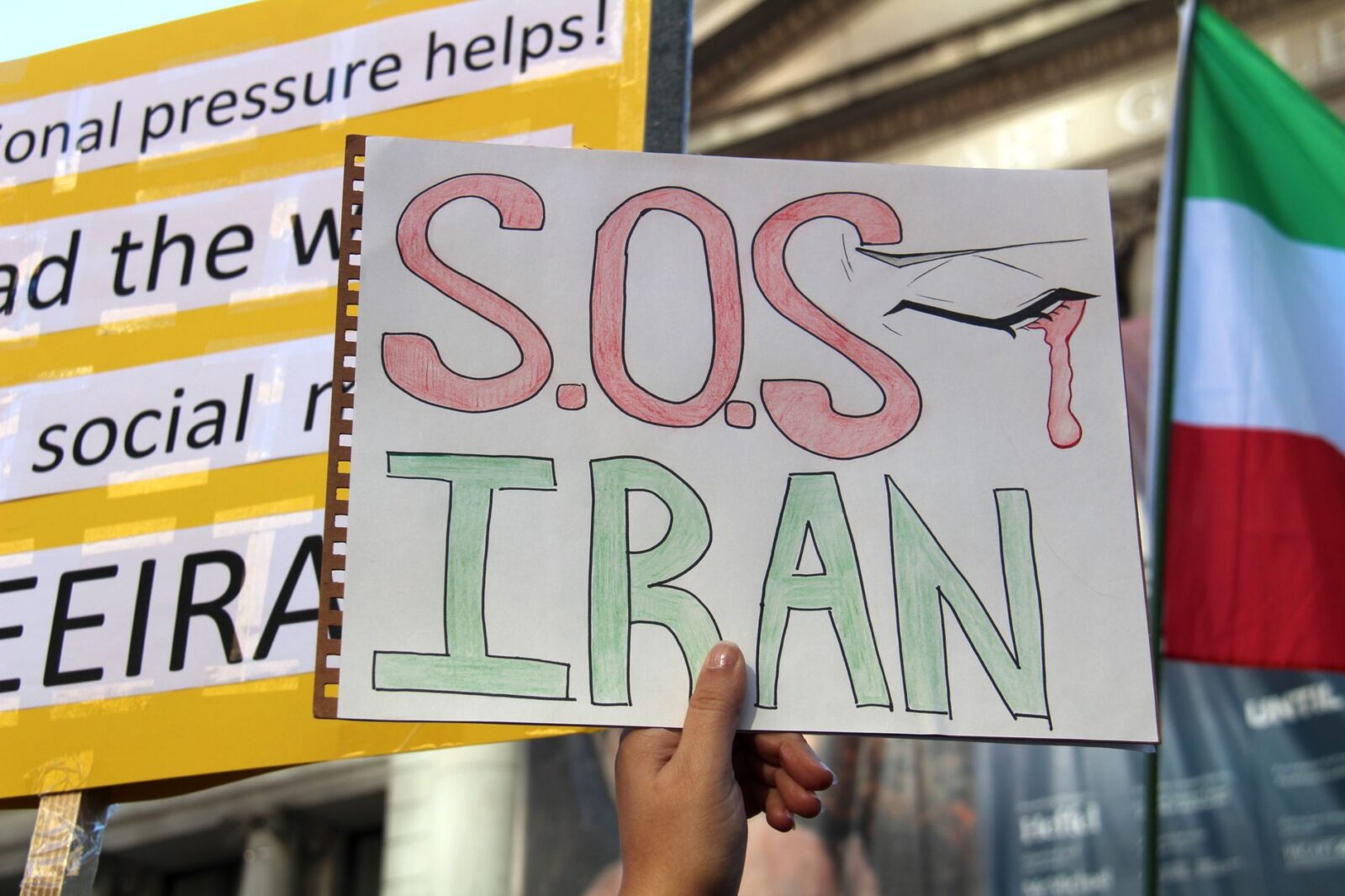
In a significant escalation of hostilities, the United States conducted airstrikes on Iranian military targets on July 8, 2026, despite a temporary ceasefire that was established to facilitate humanitarian efforts in the region. The strikes were aimed at specific locations associated with Iran’s missile program, which the US government claims poses a direct threat to regional allies and to international shipping routes.
The airstrikes follow weeks of heightened tensions between the US and Iran, exacerbated by Iran’s ongoing support for proxy groups in the Middle East and its alleged violations of nuclear agreements. The Biden administration justifies the military action as a necessary response to Iran’s provocations, which include missile tests and the targeting of US assets in the region. This latest development has drawn sharp criticism from various international actors, including the European Union, which has called for restraint and adherence to diplomatic solutions.
This situation is particularly critical as it unfolds against the backdrop of a fragile global economy still recovering from the impacts of the COVID-19 pandemic. The potential for disruption in oil supply chains, given Iran’s strategic position in the Strait of Hormuz, raises concerns about rising oil prices, which could have cascading effects on economies worldwide. Investors are closely monitoring the situation, as any prolonged conflict could trigger significant volatility in oil markets and broader economic instability.
Looking ahead, the implications of these strikes could be profound. Should Iran retaliate, the cycle of violence may escalate, prompting further military responses from the US and its allies. Conversely, if diplomatic channels can be effectively navigated, there may still be an opportunity for de-escalation. However, the current trajectory suggests a potential for increased military engagement, which would have far-reaching consequences for regional stability and global economic health.
Source: Muslim Network TV







Hamas Dissolves Administrative Body in Gaza Strip
The dissolution of Hamas' administrative body signals potential shifts in governance and...
 1 Mins read
Ireland Enacts Legislation Prohibiting Goods from Israeli Settlements
Ireland's new law banning imports from Israeli settlements signals a significant shift...
1 Mins read

Egypt’s National Coach Calls for Global Solidarity with Palestinians Ahead of World Cup Match
The call for solidarity highlights the intersection of sports and global politics...
1 Mins read


Hamas Dissolves Governing Body, Leaving Gaza’s Future Uncertain
The dissolution of Hamas's governing body raises critical questions about Gaza's political...
1 Mins read

Leave a comment