
On July 8, 2026, Hamas announced the dissolution of its administrative body in the Gaza Strip, a significant move that could reshape the political landscape of the region. This decision comes amidst ongoing tensions and challenges faced by the organization, which has governed Gaza since 2007. The dissolution reflects internal pressures as well as external factors, including the economic situation in Gaza and the continuing blockade imposed by Israel.
The announcement was made public through a statement by Hamas leaders, who indicated that the decision was aimed at streamlining governance and enhancing efficiency in addressing the needs of the Palestinian population. This administrative body was responsible for overseeing various governmental functions in Gaza, including health, education, and infrastructure, and its dissolution raises questions about the future of governance in the territory.
This development matters on a global scale as it could lead to a shift in power dynamics not only within Gaza but also between Palestinian factions, particularly in relation to the Palestinian Authority led by Mahmoud Abbas in the West Bank. The international community, including key players such as the United States and the European Union, will be closely monitoring how this change affects the peace process and the ongoing humanitarian crisis in the region.
Looking forward, the dissolution of the administrative body may open avenues for dialogue between Hamas and other Palestinian factions, potentially paving the way for a more unified political stance. However, it also poses risks; instability in governance could exacerbate the already dire humanitarian situation in Gaza, where over two million residents face severe shortages of basic necessities. The world must remain vigilant as these developments unfold, as they hold significant implications for regional security and international diplomatic efforts in the Middle East.
Source: China Daily – Global Edition







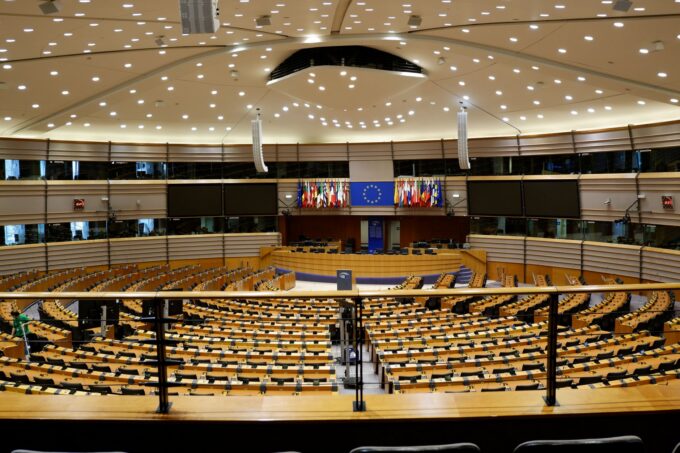
Ireland Enacts Legislation Prohibiting Goods from Israeli Settlements
Ireland's new law banning imports from Israeli settlements signals a significant shift...
 1 Mins read

Egypt’s National Coach Calls for Global Solidarity with Palestinians Ahead of World Cup Match
The call for solidarity highlights the intersection of sports and global politics...
1 Mins read
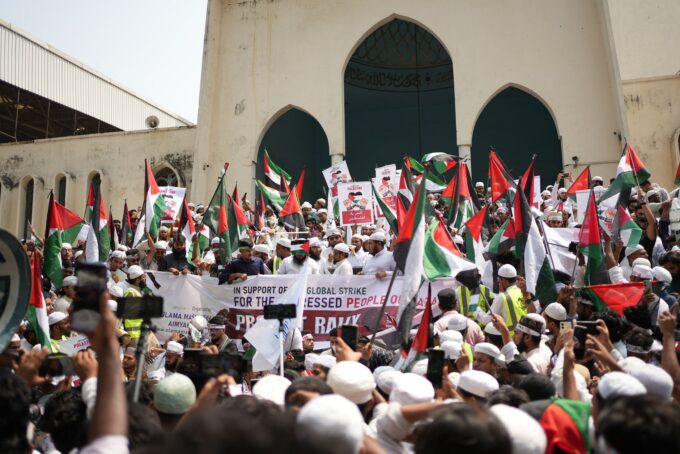
Hamas Dissolves Governing Body, Leaving Gaza’s Future Uncertain
The dissolution of Hamas's governing body raises critical questions about Gaza's political...
1 Mins read
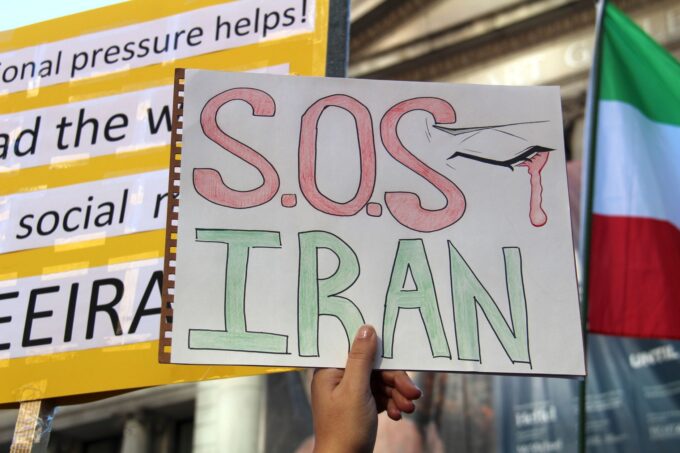


US Air Strikes on Iran Trigger Air Raid Sirens in Bahrain and Kuwait
The recent US military action against Iran raises tensions in the Middle...
1 Mins read
Leave a comment