
The Art of Transition: Gagosian’s Strategic Retreat from Basel and Burlington Arcade

A Shifting Landscape in the Art World
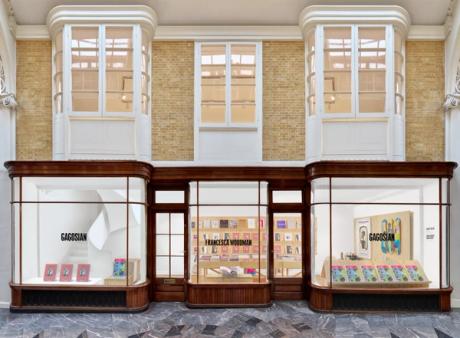
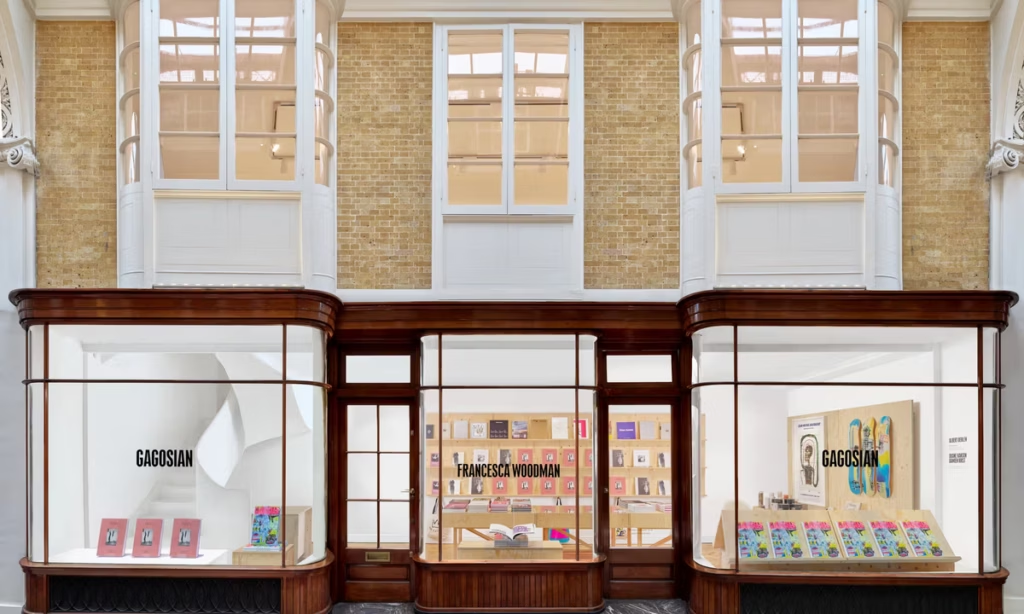
The art market, an ever-evolving tapestry of creativity and commerce, has witnessed a significant shift this summer with the recent announcement from Gagosian Gallery. Known for its representation of some of the most influential contemporary artists, Gagosian has decided to close its locations in Basel and London’s Burlington Arcade, a move that reflects broader trends in the art industry and raises questions about the future of mega-galleries in an increasingly complex market.
A Reflection on Real Estate and Market Dynamics
The closures come amid a wave of downsizing among major galleries, which are recalibrating their presence in the global art scene. This strategic retreat from prime locations signals a response to evolving market dynamics, where the high cost of real estate must be weighed against shifting collector behaviors and the increasing prominence of online platforms.
In cities like Basel, known for its pivotal Art Basel fair, the decision to scale back underscores the challenges of maintaining a brick-and-mortar presence when digital engagement is rapidly gaining traction. The shift is not merely a reaction to economic pressures but a nuanced understanding of how collectors are interacting with art in the contemporary age.
Market Significance and Collector Psychology
As Gagosian steps back from these physical spaces, it highlights an important aspect of collector psychology: the desire for exclusivity and connection in a world dominated by convenience. While physical galleries have traditionally served as gateways to the art world, the rise of virtual exhibitions and online sales platforms has transformed how art is bought and sold.
This evolution prompts collectors to seek deeper connections to art and its creators, valuing personal engagement over mere accessibility. Gagosian’s closures may also indicate a strategic pivot to enhance its digital footprint, allowing for a more curated and intimate experience that resonates with today’s discerning art enthusiasts.
Provenance and Legacy in a Changing Environment
The legacy of Gagosian and its roster of celebrated artists is undeniably significant. Each closure represents not just a loss of physical space but a recalibration of how art’s provenance is communicated and perceived. As galleries like Gagosian seek to redefine their role, the narrative surrounding an artist’s work becomes even more critical.
In an age where provenance is paramount, collectors are increasingly aware of the stories behind the pieces they acquire. The legacy of an artist is often intertwined with the venues that champion their work. As Gagosian exits these locations, the challenge lies in maintaining a strong narrative that connects the artist’s journey with their market presence.
The Art Market’s Future: Potential and Possibility
Looking ahead, the art market stands at a crossroads. The closures of prominent galleries may very well pave the way for emerging voices and new formats for engagement. As Gagosian redefines its strategy, other galleries may follow suit, creating a more diverse and dynamic landscape that nurtures both established and up-and-coming artists.
This moment of transition invites reflection on the importance of adaptability in the art world. As collectors become more selective, emphasizing authenticity and unique narratives, the galleries that can resonate with these values will likely thrive. Gagosian’s strategic retreat is not just a closing chapter; it is an invitation for a new beginning in how art is experienced and appreciated.
Miami’s Role in a Global Context
Miami, with its vibrant art scene and growing status as a cultural hub, is uniquely positioned to capitalize on these shifts. The city has become a focal point for collectors and galleries alike, attracting international attention during events like Art Basel Miami Beach. As Gagosian and others reevaluate their presence in traditional art centers, Miami could emerge as an alternative venue for innovative exhibitions and fresh artistic dialogues.
As we consider the ramifications of Gagosian’s recent decisions, it is essential to recognize Miami’s potential as a nurturing ground for both artists and collectors, fostering an environment where art can thrive in diverse and meaningful ways.
Editorial note: This article was created by A Bit Lavish Miami’s Magazine as an original editorial reinterpretation based on publicly available reporting. Original source: theartnewspaper.com. Read the original article here: https://www.theartnewspaper.com/2026/07/31/gagosian-exits-locations-in-basel-and-londons-burlington-arcade.
Images are used for editorial reference with source credit. If an image requires correction or removal, please contact A Bit Lavish.










Echoes of History: The Loss of a 300-Year-Old Cossack Church in Ukraine
Exploring the cultural significance and tragic loss of the Holy Presentation Church,...
 2 Mins read

A New Chapter: Tim Reeve Takes the Helm at English Heritage
Tim Reeve, former deputy director of the V&A, embarks on a significant...
2 Mins read

A Cultural Exchange: Islamic Art Treasures from the Louvre to Enrich Washington’s Museum Scene
Explore the significance of the Louvre's upcoming loan of Islamic art to...
2 Mins read



Art Under Siege: The Struggle of Activism in Indian Contemporary Art
Exploring the intersection of art, activism, and the implications of dissent in...
3 Mins read

Leave a comment