
A Cultural Reflection: The Intersection of Philanthropy and Controversy in Art
 ABLUpdated 1 week Ago2 Mins read34

A Legacy of Giving in the Arts
In the landscape of cultural institutions, the role of philanthropy is often as pivotal as the art itself. The Asper family, known for their significant contributions to the Canadian Museum for Human Rights, exemplifies this connection. Their foundation has historically been a beacon of support for human rights initiatives, underpinning the museum’s mission to educate and inspire change.
The Power of Exhibitions
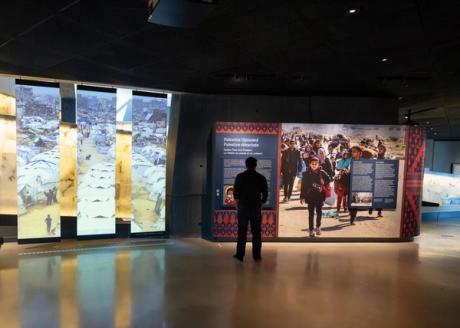
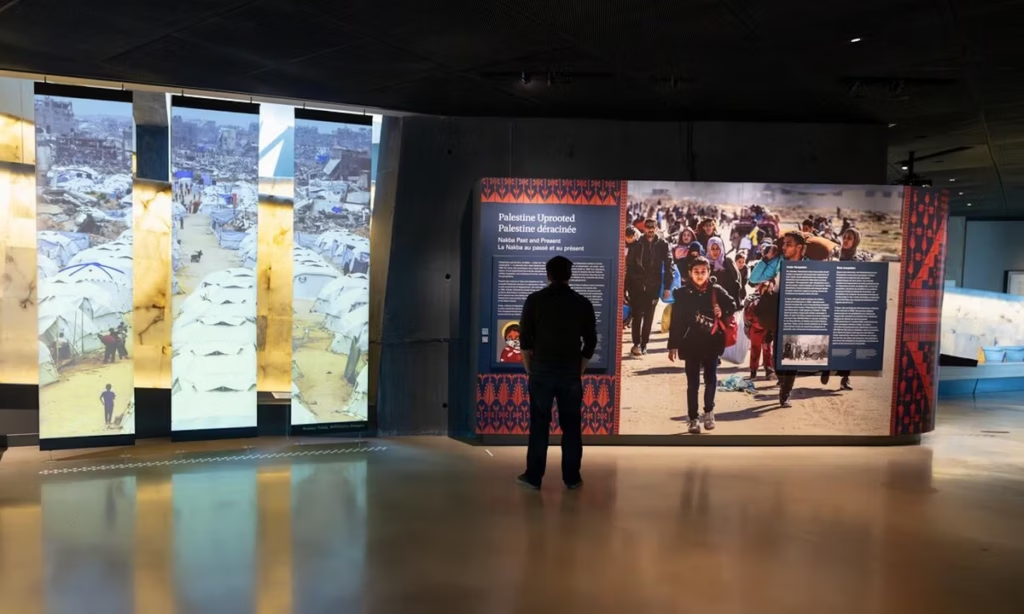
Art exhibitions serve as powerful conduits for social discussions, and none more so than those that address contentious issues. The museum’s recent display, which delves into the complex narrative of Palestinian displacement, has ignited a vital conversation about representation and the responsibilities of cultural institutions. Such exhibitions not only provoke thought but also reflect the evolving dynamics of societal values and historical consciousness.
Philanthropy Meets Controversy
However, this intersection of art and activism is not without its challenges. The Asper family has announced a pause on their financial support, specifically citing concerns surrounding the portrayal of Palestinian experiences in the exhibition. This decision, articulated by Gail Asper, underscores a critical dialogue about the implications of funding in the arts and the responsibilities of donors.
Understanding the Collector’s Mindset
The decision to withdraw support prompts a deeper consideration of the psychology behind philanthropy in the arts. Collectors and benefactors often view their contributions as not only financial investments but also as endorsements of the narratives presented. When these narratives clash with personal beliefs or political stances, it can lead to significant repercussions, not only for the institutions involved but also for the broader cultural landscape.
Art as a Reflection of Society
In Miami, a city known for its vibrant art scene and cultural diversity, the discourse around art and societal issues is equally relevant. Local galleries and institutions strive to balance commercial interests with cultural responsibilities, often navigating delicate topics that resonate with both collectors and the public. This balance is crucial in ensuring that art remains a reflective medium for society’s most pressing issues.
The Future of Cultural Philanthropy
As the conversation around the Asper family’s decision continues, it raises important questions about the future of cultural philanthropy. Will this pause in support encourage a re-examination of how institutions curate sensitive topics? Or will it deter future donations from families who fear public backlash? The answers to these questions will shape the evolution of cultural institutions and their ability to engage with challenging subjects.
A Call for Dialogue
The debate ignited by the Asper family’s funding pause is more than a momentary controversy; it is a call for ongoing dialogue about the intersections of art, culture, and social justice. As Miami continues to cultivate its unique identity as an art capital, the lessons learned from this situation can inform how local institutions approach similar themes. Embracing these complexities will ultimately enrich the cultural fabric of our communities.
Editorial note: This article was created by A Bit Lavish Miami’s Magazine as an original editorial reinterpretation based on publicly available reporting. Original source: theartnewspaper.com. Read the original article here: https://www.theartnewspaper.com/2026/07/30/canadian-museum-human-rights-asper-family-funding-palestine-exhibit.
Images are used for editorial reference with source credit. If an image requires correction or removal, please contact A Bit Lavish.










Echoes of History: The Loss of a 300-Year-Old Cossack Church in Ukraine
Exploring the cultural significance and tragic loss of the Holy Presentation Church,...
 2 Mins read

A New Chapter: Tim Reeve Takes the Helm at English Heritage
Tim Reeve, former deputy director of the V&A, embarks on a significant...
2 Mins read

A Cultural Exchange: Islamic Art Treasures from the Louvre to Enrich Washington’s Museum Scene
Explore the significance of the Louvre's upcoming loan of Islamic art to...
2 Mins read



Art Under Siege: The Struggle of Activism in Indian Contemporary Art
Exploring the intersection of art, activism, and the implications of dissent in...
3 Mins read

Leave a comment