
Amit Shah Accuses Sonia Gandhi of Sabotaging Vande Mataram; Congress Responds
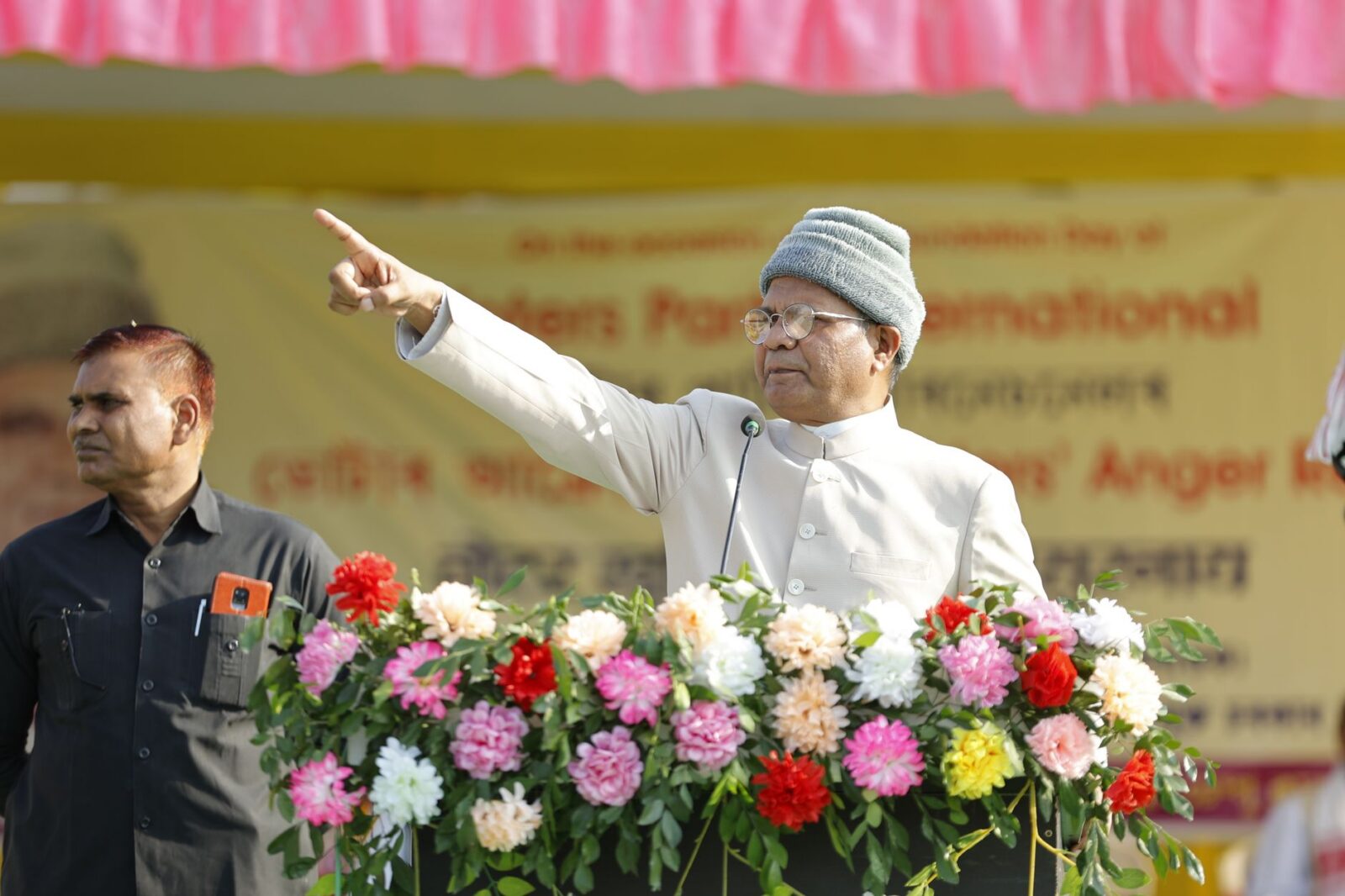
In a significant political development, Indian Home Minister Amit Shah has publicly accused Congress leader Sonia Gandhi of attempting to obstruct the singing of Vande Mataram, a national song revered for its patriotic significance. This accusation, made during a rally in Delhi on August 17, 2026, has sparked immediate backlash from the Congress party, which vehemently denied the claims, asserting that such allegations are unfounded and politically motivated.
The controversy arises against a backdrop of heightened political polarization in India, particularly regarding issues of nationalism and cultural identity. Shah’s remarks come at a time when the ruling Bharatiya Janata Party (BJP) is keen to reinforce its narrative of patriotism, aiming to galvanize its base ahead of upcoming state elections. The timing of this accusation is critical, as it taps into a broader discourse surrounding national pride and the role of historical symbols in contemporary politics.
As tensions escalate, the implications of this exchange extend beyond party lines, reflecting deeper societal divisions over national identity. Analysts suggest that this incident may further entrench the BJP’s position while posing challenges for Congress in articulating its stance on nationalism without alienating its diverse voter base. The political landscape is charged, and public discourse is likely to intensify in the coming days.
Looking ahead, the situation may lead to increased political campaigning focused on national identity themes. Both parties could leverage this controversy to mobilize support, while potential calls for public discussions or debates on the interpretation of Vande Mataram could emerge. The incident underscores the ongoing struggle within Indian politics over the meaning of nationalism and its expression in civic life.
Source: WION









Hedge Funds Emerge as Significant Threat to US Bonds
The rise of hedge funds in the US bond market raises concerns...
 1 Mins read

Bitcoin Remains Steady Near $80,000 Amid Fed Rate Hike Concerns
Bitcoin's stability near $80,000 highlights its resilience as the CPI report approaches,...
1 Mins read

Federal Reserve’s Internal Disputes Surface Ahead of Critical Rate Decision
The Federal Reserve's internal conflicts could significantly impact global markets as a...
1 Mins read



UN Calls for Accountability Following 23 Deaths in US Immigration Custody
The UN's demand for accountability highlights ongoing concerns over human rights in...
1 Mins read
