
Ariana Grande Critiques Trump’s White House for Misusing Her Music in ICE Deportation Campaign

In a sharp rebuke, pop icon Ariana Grande has publicly criticized the Trump administration for its recent decision to utilize her music in promotional materials related to ICE deportations. Grande’s statement, issued on June 12, 2026, describes the actions of the White House as “barbaric, inhumane, and heinous nonsense,” reflecting a broader discontent with the current immigration strategy that has faced increasing scrutiny from various sectors of society.
The controversy arose when the Trump administration featured Grande’s song in a campaign aimed at reinforcing its hardline stance on immigration enforcement. This move has inflamed tensions, as artists and activists alike argue that the use of cultural symbols in support of policies perceived as cruel undermines the very essence of artistic expression and humanitarian values. Grande’s response highlights her commitment to social justice, positioning her as a vocal opponent of what many see as oppressive governmental practices.
This incident is particularly significant as it occurs in the context of a global reevaluation of immigration policies, where human rights advocates are increasingly vocal about the treatment of migrants and asylum seekers. Grande’s condemnation serves as a rallying point for those advocating for comprehensive immigration reform, emphasizing the ethical implications of using popular culture to endorse contentious political agendas.
Looking ahead, this backlash may prompt further discussions about the intersection of art and politics, potentially leading to increased activism among artists and entertainers. Additionally, the administration’s ongoing reliance on controversial tactics to bolster its immigration narrative could provoke more significant public outcry, resulting in a reevaluation of policies that many consider inhumane. The world watches as the dialogue around immigration continues to evolve, with implications that resonate far beyond the United States.
Source: Variety Australia








Hamas Dissolves Administrative Body in Gaza Strip
The dissolution of Hamas' administrative body signals potential shifts in governance and...
 1 Mins read
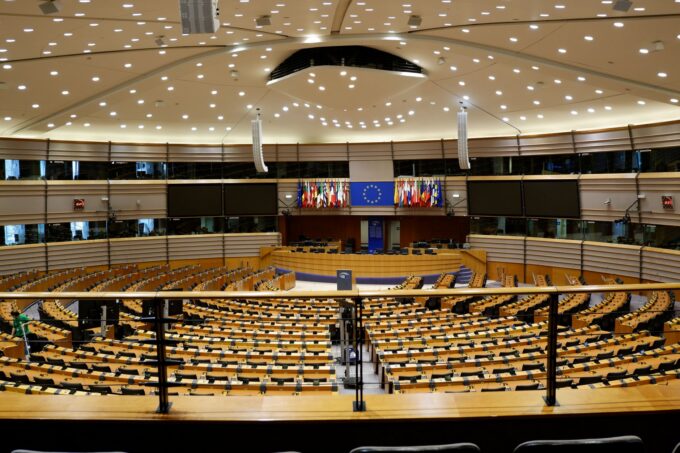
Ireland Enacts Legislation Prohibiting Goods from Israeli Settlements
Ireland's new law banning imports from Israeli settlements signals a significant shift...
1 Mins read

Egypt’s National Coach Calls for Global Solidarity with Palestinians Ahead of World Cup Match
The call for solidarity highlights the intersection of sports and global politics...
1 Mins read



Hamas Dissolves Governing Body, Leaving Gaza’s Future Uncertain
The dissolution of Hamas's governing body raises critical questions about Gaza's political...
1 Mins read
