
Art as Controversy: The Price of Removing a Banksy Masterpiece
The Intriguing Dance of Street Art and Authority
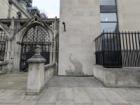
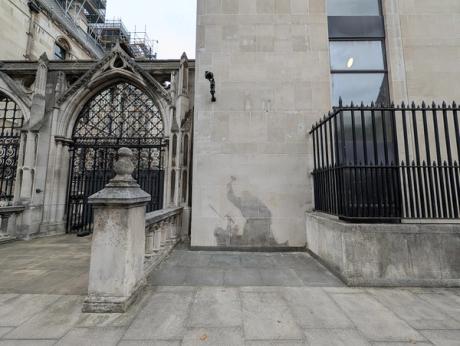
In the realm of contemporary art, few names resonate with as much cultural weight as Banksy. The enigmatic street artist continues to challenge societal norms and provoke thought through his provocative works. Recently, the UK Ministry of Justice made headlines by spending over £85,000 to remove a Banksy mural from the Royal Courts of Justice, raising questions about the intersection of art, authority, and financial investment.
Art as a Statement: The Context of the Mural
The mural in question was not merely a piece of street art; it represented a broader dialogue on justice and societal values. Banksy’s work often reflects the complexities of modern life, and this particular piece was no exception. Its removal has sparked discussions about the role of public art in civic spaces and the extent to which authorities should engage with art that challenges the status quo.
The Financial Implications of Artistic Removal
The expenditure on removing the Banksy mural highlights a paradox in the valuation of art. While Banksy’s works are often celebrated and sought after in the market, the decision to erase this particular piece underscores the sometimes contentious relationship between art and governance. The financial implications of such removals extend beyond the immediate costs, feeding into broader discussions about investment in art and the potential loss of cultural capital.
Security Concerns: A New Layer of Complexity
The decision to remove the mural was further complicated by security concerns surrounding another Banksy installation, a statue erected in central London. The Westminster council reportedly allocated around £60,000 for security measures to protect this work, illustrating the lengths to which authorities will go to safeguard art that has gained public interest and value. This investment raises questions about the perception of street art as a legitimate form of cultural expression versus a source of controversy.
The Legacy of Banksy: Artist and Collector Psychology
As collectors and investors increasingly turn their gaze towards street art, Banksy’s legacy becomes more significant. His works, often laden with social commentary, evoke strong emotional responses that resonate deeply with audiences. This psychology plays a critical role in how collectors perceive value—not merely as monetary worth but as a reflection of societal sentiments and ongoing dialogues. The removal of a Banksy piece, thus, can be viewed not only as a financial decision but as a cultural one, impacting market trends and collector interest.
The Miami Connection: Global Art Trends in the Local Sphere
As we observe these developments in the UK, Miami’s vibrant art scene reflects a similar tension between public art and institutional regulations. The city is known for its dynamic street art culture, with events like Art Basel Miami Beach drawing significant attention from global collectors and art enthusiasts. In this context, the discourse surrounding Banksy’s removal serves as a reminder of the importance of preserving artistic expression, even as cities grapple with the complexities of governance and community standards.
Conclusion: The Future of Public Art
The saga of Banksy’s mural removal is emblematic of a larger narrative in the art world, where the boundaries of public art, authority, and value continue to evolve. As both a cultural phenomenon and a financial asset, Banksy’s works invite us to reconsider our relationship with art in public spaces. The implications of such decisions not only shape the future of street art but also influence the broader dialogues around art, investment, and societal values.
Editorial note: This article was created by A Bit Lavish Miami’s Magazine as an original editorial reinterpretation based on publicly available reporting. Original source: theartnewspaper.com. Read the original article here: https://www.theartnewspaper.com/2026/08/10/uk-ministry-of-justice-spent-more-than-%C2%A385000-removing-banksy-mural-from-the-royal-courts-of-justice.
Images are used for editorial reference with source credit. If an image requires correction or removal, please contact A Bit Lavish.









Yayoi Kusama: The Journey of an Artistic Luminary
Explore the captivating journey of Yayoi Kusama, from her early struggles to...
 2 Mins read

The Resurgence of Guatemala’s Artistic Heart: A Journey Through the Museo de Arte Colonial
Exploring the reopening of the Museo de Arte Colonial in Antigua, Guatemala,...
2 Mins read

Art-o-rama: Cultivating Tomorrow’s Art Scene with Boldness and Vision
Discover how Art-o-rama in Marseille reinvigorates the contemporary art landscape with its...
 ABL2 Mins read



Amélia Toledo: The Alchemist of Art in a New Documentary
Dive into the life and legacy of Brazilian artist Amélia Toledo through...
ABL2 Mins read
