
Preserving Heritage Amidst Urban Evolution: A Tension in London’s Historic Square Mile

A Landscape of Contrasts
In the very heart of London, a battle is unfolding that encapsulates the enduring tension between modernity and history. The Square Mile, home to centuries of architectural legacy, is witnessing a transformative wave of development as ambitious skyscrapers seek to redefine its skyline. Yet, amid this push for progress, a chorus of voices rises in defense of the past, advocating for the preservation of the unique character that defines this iconic area.
New Ambitions on Historic Ground
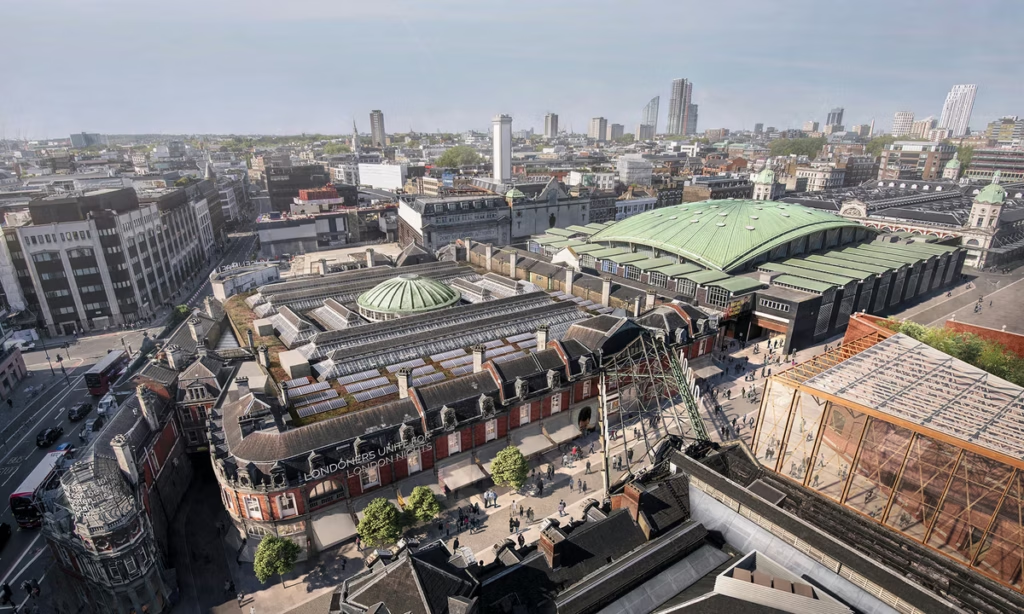
The Liverpool Street railway hub stands as a pivotal point in this ongoing dialogue. Plans for its redevelopment are ambitious, promising to enhance connectivity and modernize facilities. However, the proposal has sparked significant backlash from heritage campaigners who argue that such developments threaten the integrity of the surrounding historical architecture. Similarly, the proposed changes at 1 Silk Street have ignited debate among stakeholders, as developers envision a sleek new structure that could overshadow the historical significance of its neighbors.
The Stakes of Preservation
At the core of this dispute lies the question of cultural identity. The Square Mile is not merely a financial district; it is a repository of London’s rich history, with buildings that tell stories of resilience and innovation. Advocates for preservation emphasize the importance of maintaining this narrative, arguing that the unique architectural elements of the area are irreplaceable. The clash illustrates a broader conversation about the value of heritage in an increasingly urbanized world.
A Collector’s Perspective
For art and architecture collectors, the implications of this struggle extend beyond the physical structures themselves. The rarity and provenance of historical buildings can greatly influence market dynamics. As the skyline of the Square Mile evolves, collectors are increasingly drawn to properties with historical significance, understanding that their value is not solely financial but also cultural. A building’s history can enhance its desirability, making it a coveted asset in the eyes of discerning collectors.
Broader Implications for Urban Centers
This confrontation between developers and heritage advocates is not unique to London; it resonates in urban centers worldwide. Cities like Miami are also grappling with similar challenges as they balance the need for modern infrastructure with the preservation of their cultural heritage. The discussion invites a reevaluation of what urban evolution should look like, urging stakeholders to consider how new developments can coexist with historical narratives.
A Path Forward
As the debate continues, it opens up possibilities for innovative solutions that respect both heritage and progress. Collaborative efforts between developers, heritage organizations, and local communities could pave the way for developments that honor the past while embracing the future. This dialogue is not just about buildings; it’s about fostering an environment where history and modernity can thrive side by side, enriching the cultural tapestry of urban life.
Editorial note: This article was created by A Bit Lavish Miami’s Magazine as an original editorial reinterpretation based on publicly available reporting. Original source: theartnewspaper.com. Read the original article here: https://www.theartnewspaper.com/2026/08/10/office-block-developers-fight-with-heritage-campaigners-over-londons-historic-square-mile.
Images are used for editorial reference with source credit. If an image requires correction or removal, please contact A Bit Lavish.










Yayoi Kusama: The Journey of an Artistic Luminary
Explore the captivating journey of Yayoi Kusama, from her early struggles to...
 2 Mins read

The Resurgence of Guatemala’s Artistic Heart: A Journey Through the Museo de Arte Colonial
Exploring the reopening of the Museo de Arte Colonial in Antigua, Guatemala,...
2 Mins read

Art-o-rama: Cultivating Tomorrow’s Art Scene with Boldness and Vision
Discover how Art-o-rama in Marseille reinvigorates the contemporary art landscape with its...
 ABL2 Mins read



Amélia Toledo: The Alchemist of Art in a New Documentary
Dive into the life and legacy of Brazilian artist Amélia Toledo through...
ABL2 Mins read
