
Bipartisan Senate Bill Advances to Prepare Energy Sector for Quantum Computing Era
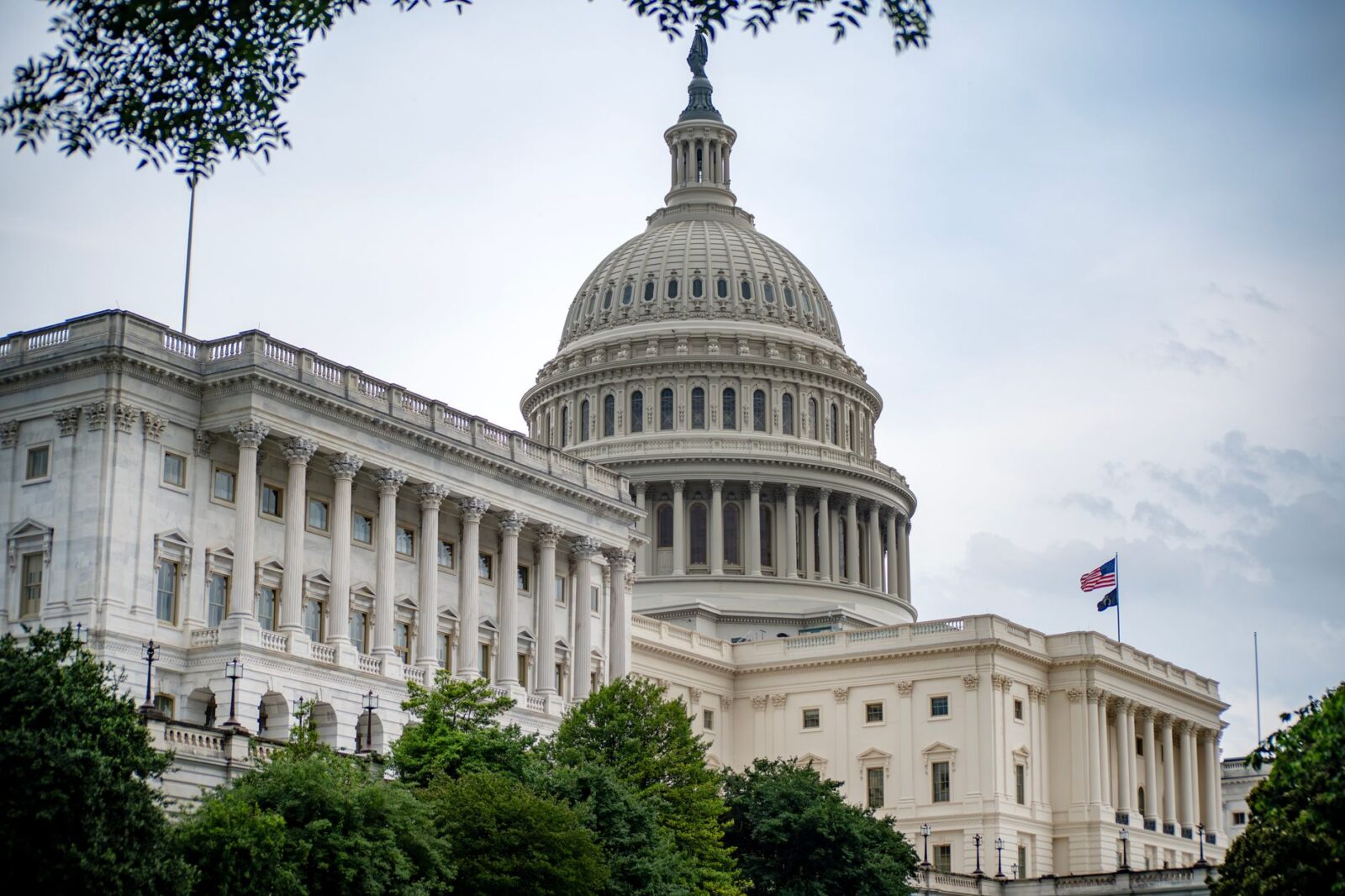
On August 24, 2026, a bipartisan group of U.S. senators introduced a significant piece of legislation aimed at preparing the energy sector for the anticipated disruptions and advancements associated with quantum computing. This initiative, referred to as the Quantum Energy Preparedness Act, is designed to enhance the resilience and adaptability of energy infrastructures across the nation.
The bill, co-sponsored by Senators Mark Warner (D-VA) and John Barrasso (R-WY), comes in response to growing concerns about the potential for quantum computing to revolutionize energy management, cybersecurity, and efficiency. With quantum technology poised to provide unprecedented computational power, its integration into the energy sector could lead to transformative changes in how energy is produced, stored, and distributed.
This legislative push is timely, as the U.S. energy landscape faces increasing pressures from climate change, cyber threats, and the need for modernization. The bill outlines measures for research funding, public-private partnerships, and regulatory adjustments to ensure that the energy sector can leverage quantum advancements effectively. The stakes are high; failing to adapt could leave the U.S. vulnerable to both foreign competition and internal inefficiencies.
Looking ahead, the Senate will conduct hearings on the proposed legislation in the coming weeks, with a goal of passing the bill before the end of the session. If enacted, the Quantum Energy Preparedness Act could set a precedent for how emerging technologies are integrated into critical infrastructure, marking a pivotal moment in the intersection of energy and technology policy.
Source: CyberScoop










Clarence Thomas Challenges Perceptions of Black Conservatism in Recent Speech
Clarence Thomas's remarks challenge prevailing narratives about racial identity and political affiliation,...
 1 Mins read

California Supreme Court Deliberates on Sheriff’s Ballot Seizure Case
The California Supreme Court's decision on ballot seizure could redefine electoral integrity...
1 Mins read

Senator Rob Kupec Engages with Minnesota Sugar Beet Growers at Arneson Farm
The meeting underscores the vital role of agriculture in the economy and...
1 Mins read



Darline Graham and Ralph Norman Conclude Intense South Carolina Senate Primary Campaign
The outcome of this primary could significantly influence the political landscape ahead...
1 Mins read

Leave a comment