
Bolivia Scraps Diesel Subsidy to Address Fuel Shortages
LA PAZ — September 19, 2026
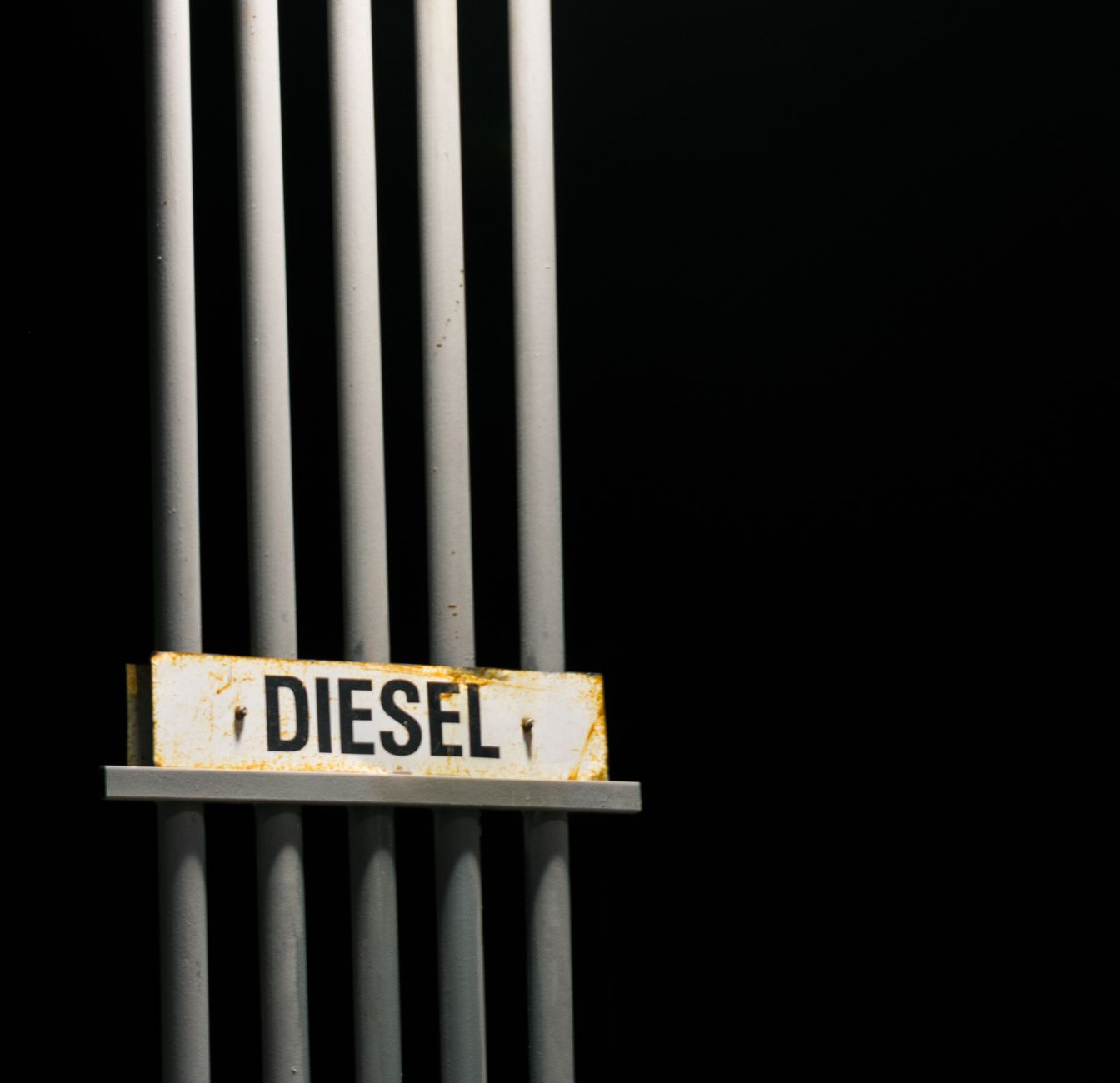
In a pivotal economic decision, the Bolivian government announced on September 19, 2026, that it has officially scrapped its diesel subsidy. This move is intended to combat the persistent fuel shortages that have plagued the nation, affecting both local consumers and international markets.
The decision comes amid a backdrop of escalating fuel prices and supply chain disruptions that have been exacerbated by global economic conditions. The Bolivian government, led by President Luis Arce, has faced mounting pressure to address these shortages, which have led to widespread public discontent and protests in recent months.
The diesel subsidy, which had been in place for several years, was a significant financial burden on the state, costing the government an estimated $300 million annually. By eliminating this subsidy, the government aims to redirect funds towards more sustainable energy solutions and to stabilize the national budget, which has been under strain due to fluctuating oil prices and reduced revenues from natural gas exports.
Key stakeholders in this decision include the Ministry of Hydrocarbons and the Ministry of Economy and Public Finance, both of which have been involved in the discussions leading up to this policy change. The government has stated that the removal of the subsidy is necessary to ensure a more equitable distribution of fuel resources and to encourage investment in alternative energy sources.
This development is receiving heightened attention due to its potential ripple effects on both local and international markets. Analysts predict that the removal of the subsidy could lead to an increase in diesel prices, which may further impact transportation costs and inflation rates within Bolivia. Additionally, neighboring countries that rely on Bolivian diesel may experience supply shortages, affecting regional trade dynamics.
On a broader scale, this decision underscores Bolivia’s ongoing struggle with energy dependency and its efforts to transition towards a more sustainable energy model. The government has indicated that it will be exploring partnerships with international energy firms to develop renewable energy projects, which could reshape the country’s energy landscape in the coming years.
Looking ahead, the immediate next steps will involve monitoring the public response to the subsidy removal and assessing its impact on fuel prices. The government is expected to implement measures to mitigate the effects on low-income households, potentially through targeted financial assistance programs. Additionally, discussions regarding energy diversification and investment in renewable sources will likely intensify as Bolivia seeks to stabilize its energy sector.
This decision marks a significant turning point for Bolivia, as it navigates the complex interplay of economic pressures, public sentiment, and the urgent need for energy reform.
Source: Reuters









Russia’s Ruling Party Secures Victory in Wartime Election Amid Drone Strikes
The ruling party in Russia has won a significant election amidst ongoing...
 2 Mins read

Trump Unveils Plans for Military Complex Featuring Drones and Snipers at Washington’s Triumphal Arch
The announcement of a military complex by Donald Trump at a significant...
2 Mins read

Russia’s Ruling Party Poised for Victory in Wartime Election Amid Drone Strikes
The ruling pro-Putin party is on track to secure a significant electoral...
2 Mins read



Eighteen Suspects in Haitian President’s Assassination Extradited to the U.S.
The extradition of suspects involved in the assassination of Haiti's president marks...
2 Mins read

Leave a comment