
Delcy Rodríguez Promises Free Elections in Venezuela Amid Political Transition
CARACAS — September 25, 2026
In a significant political development, Delcy Rodríguez, the interim President of Venezuela, vowed to hold free elections during her address at the United Nations on September 25, 2026. This statement marks a pivotal moment in Venezuela’s ongoing political crisis, as it suggests a potential transition towards a more democratic governance structure.
Rodríguez’s commitment to free elections comes amidst a backdrop of political turmoil that has plagued Venezuela for years. The country has faced severe economic challenges, widespread protests, and allegations of human rights abuses under the previous administration. The international community has long called for democratic reforms and free elections as a means to restore stability and legitimacy to the Venezuelan government.
During her speech, Rodríguez emphasized the need for a “full democracy” in Venezuela, a term that resonates deeply with both domestic and international audiences. Her remarks were likely influenced by the increasing pressure from various global entities advocating for democratic governance in the region. The timing of her announcement coincides with heightened scrutiny of Venezuela’s political landscape, particularly as the country seeks to re-establish its standing in the international community.
The decision to promise free elections is not merely symbolic; it reflects the interests of various stakeholders, including the Venezuelan populace, opposition parties, and foreign governments. Rodríguez’s administration is under pressure to demonstrate a commitment to democratic principles, especially as the country grapples with economic recovery and social unrest. The promise of elections could also be seen as a strategic move to appease international critics and potentially attract foreign investment, which is crucial for Venezuela’s economic revival.
Why this development is receiving attention now is twofold. Firstly, it represents a shift in the narrative surrounding Venezuela’s governance, moving from authoritarianism towards a more democratic framework. Secondly, the international community, particularly the Organization of American States (OAS) and the United Nations, has been vocal about the need for electoral reforms in Venezuela, making Rodríguez’s pledge a focal point for discussions on regional democracy.
This development matters not only locally but also nationally and regionally. A successful transition to free elections could stabilize Venezuela, impacting neighboring countries that have been affected by the influx of Venezuelan migrants fleeing the crisis. Furthermore, it could set a precedent for other nations in the region grappling with similar governance issues.
Looking ahead, the next steps will be critical. Rodríguez’s administration will need to outline a clear timeline for the elections and establish a framework that ensures transparency and fairness. International observers will likely play a crucial role in monitoring the electoral process. If the elections are conducted successfully, it could lead to a significant shift in Venezuela’s political landscape, potentially paving the way for a new government and a renewed focus on economic recovery.
Source: The Globe and Mail




Former GOP Congressman David Rivera Sentenced to 10 Years for Venezuela Lobbying Scheme
David Rivera, a former U.S. congressman, has been sentenced to a decade...
 2 Mins read

David Rivera Sentenced to 10 Years for Secret Lobbying Related to Venezuela
The sentencing of former Congressman David Rivera marks a significant legal development...
2 Mins read
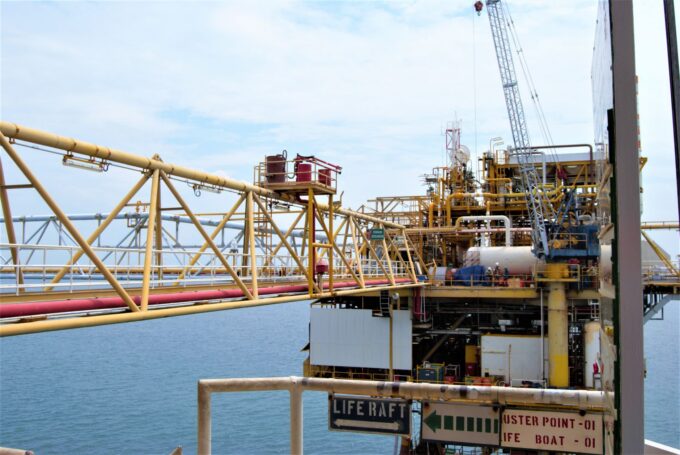
U.S. Issues License for Oil and Gas Exploration in Venezuela
The U.S. has authorized oil and gas exploration in Venezuela, a pivotal...
2 Mins read



Tren de Aragua Leader Captured in Venezuela Appears in Nebraska Court
The apprehension of a Tren de Aragua leader marks a significant development...
2 Mins read

Leave a comment