

The Evolution of Stadium Experience
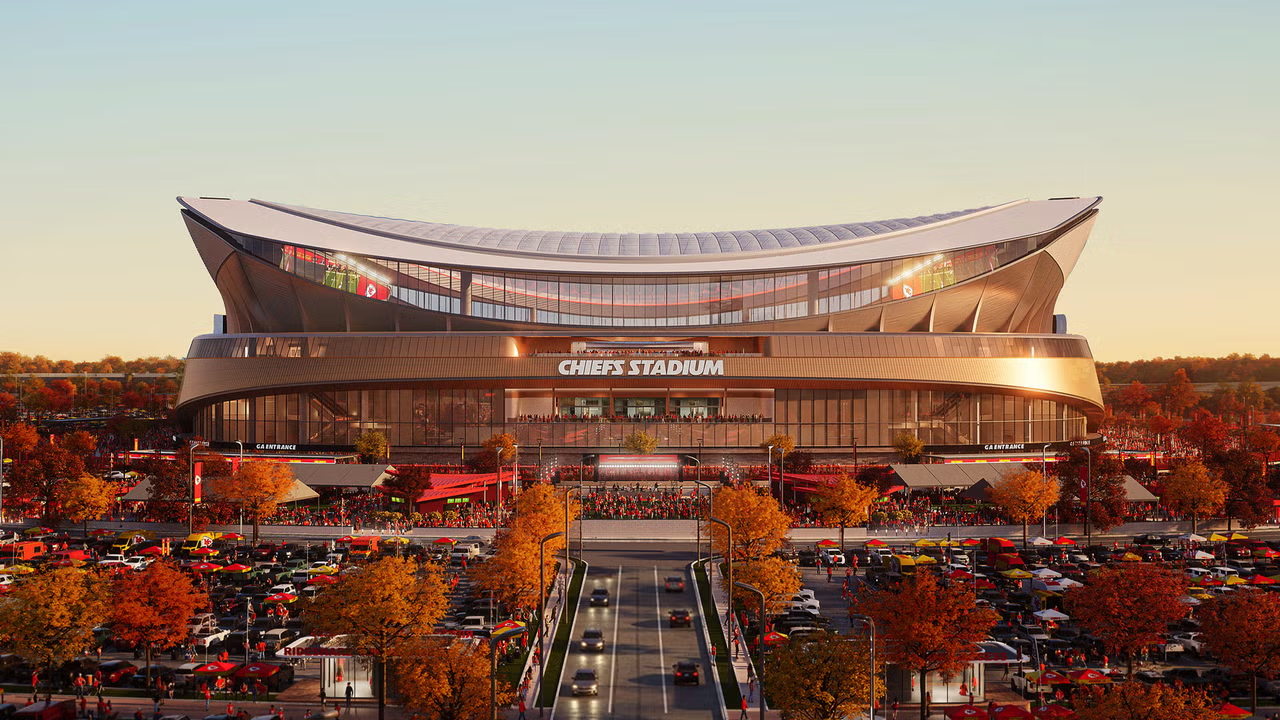
The Kansas City Chiefs have long been synonymous with electric atmospheres and unparalleled fan engagement. In pursuit of redefining this experience, the franchise has embarked on a monumental project: a state-of-the-art stadium set to debut in 2031. This $3 billion endeavor aims to elevate the auditory experience of sports events, promising to bring fans closer to the action than ever before.
A Sonic Ambition
From the thunderous roars of the crowd to the strategic design of the venue, every element is meticulously crafted for optimal sound. Architects from Manica Architecture have taken a bold approach to sound design, prioritizing the containment of noise within the stadium’s structure. David Manica, the visionary behind this design, explains that the goal is to create an environment where the collective energy of the crowd is amplified, resonating throughout the venue.
Architectural Innovation
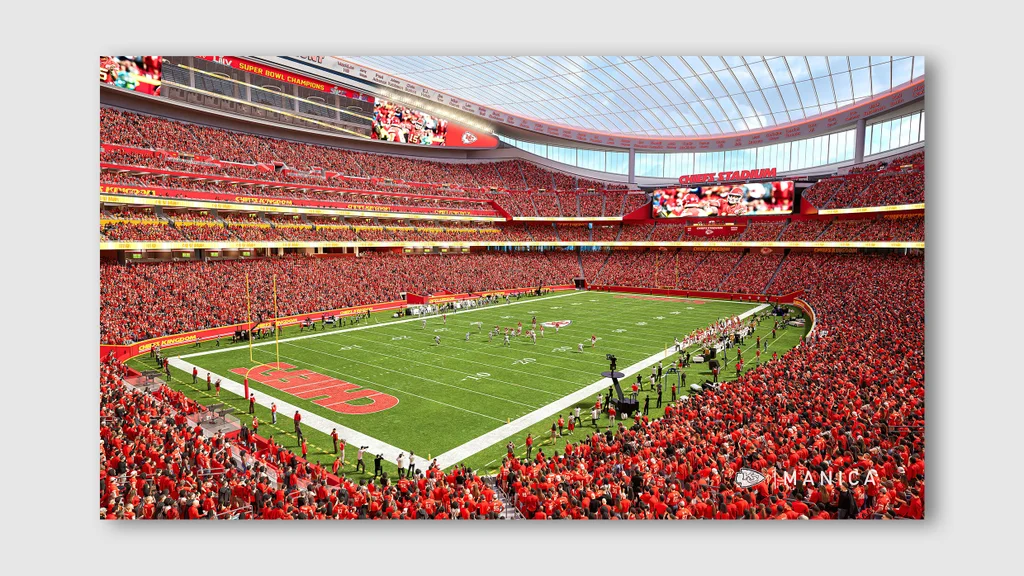
The design philosophy revolves around the stadium’s physical attributes—size, shape, and roof geometry. The parabolic roof is a critical feature, engineered to redirect sound waves back to the audience, significantly enhancing the auditory experience. “The secret to making a stadium loud is its ability to contain sound energy within its volume,” Manica notes, emphasizing the importance of density in seating arrangements. By minimizing interruptions in the seating sections and maximizing proximity to the field, the new stadium aims to create a more immersive atmosphere.
Fan-Centric Features
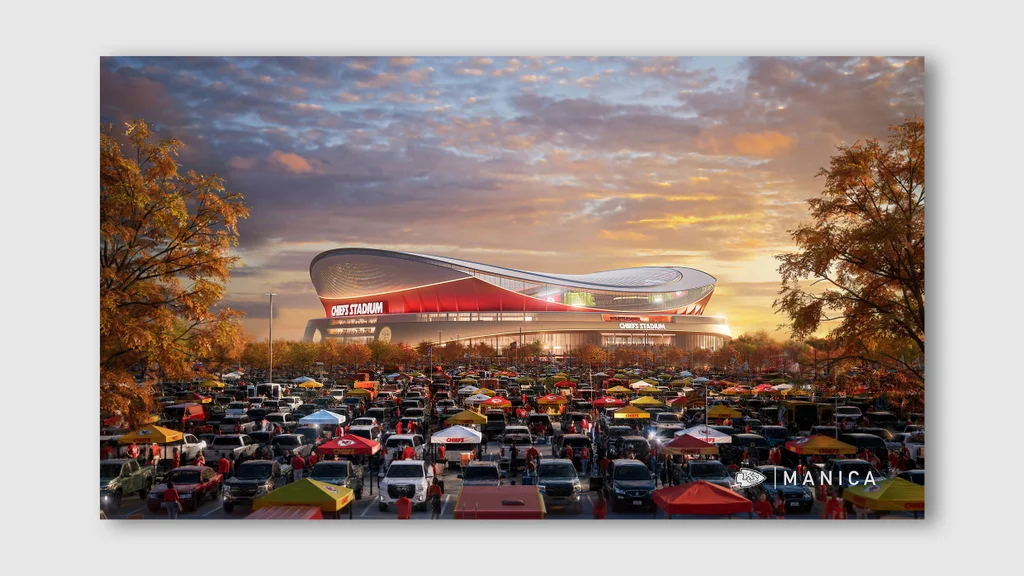
Beyond acoustics, the new stadium is designed with fan experience at its core. The extensive infrastructure will accommodate over 20,000 tailgating parking spots, allowing for pre-game festivities that have become a staple of American football culture. The use of 400,000 square feet of translucent panels will further enhance the experience, providing fans with unobstructed views of the action. This thoughtful design not only enhances visibility but also fosters a deeper connection between spectators and the game.
Engineering the Future
Acoustic engineers have played a crucial role in this ambitious project, employing digital simulations to test sound distribution within the stadium. Their findings suggest that even with a slightly reduced seating capacity—down from Arrowhead Stadium’s 76,000—the new design will yield a louder overall experience. By optimizing seating density and eliminating unnecessary passageways, the architects are confident that they will surpass the existing noise record set by the Chiefs themselves.
Miami’s Echo in Stadium Design
As Miami continues to grow as a hub for innovation and design, the strategies employed in Kansas City resonate with local architects and city planners. The intersection of sports, community, and design thinking is increasingly evident in Miami’s own venues, where similar principles of fan engagement and architectural ingenuity are being embraced. The echoes of Kansas City’s ambitious project can inspire Miami’s stadium developments, as the city seeks to enhance its reputation as a leader in experiential design.
Editorial note: This article was created by A Bit Lavish Miami’s Magazine as an original editorial reinterpretation based on publicly available reporting. Original source: fastcompany.com. Read the original article here: https://www.fastcompany.com/91581355/kansas-city-chiefs-planned-stadium-2031-sound-design.
Images are used for editorial reference with source credit. If an image requires correction or removal, please contact A Bit Lavish.










Navigating the New Landscape of Home Affordability: A Deep Dive into Market Trends
Explore the evolving dynamics of home affordability in the U.S. housing market...
 2 Mins read

Rethinking Economic Narratives: The End of the K-Shaped Economy?
Treasury Secretary Scott Bessent declares the end of the K-shaped economy, but...
2 Mins read
Fantasy Baseball Trade Deadline Spurs Strategic Shifts in Bullpen Dynamics
The August 2026 trade deadline reshapes bullpen roles, impacting team strategies and...
1 Mins read



Jefry Yan Celebrations Mark a New Era in Major League Baseball
The global sports community recognizes Jefry Yan's achievements, highlighting the evolving landscape...
1 Mins read

Leave a comment