
Reviving Heritage: The Artful Reconstruction of Copenhagen’s Stock Exchange
 ABLUpdated 1 week Ago2 Mins read28
A Legacy in Flames
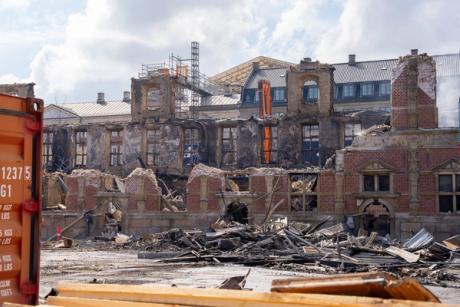
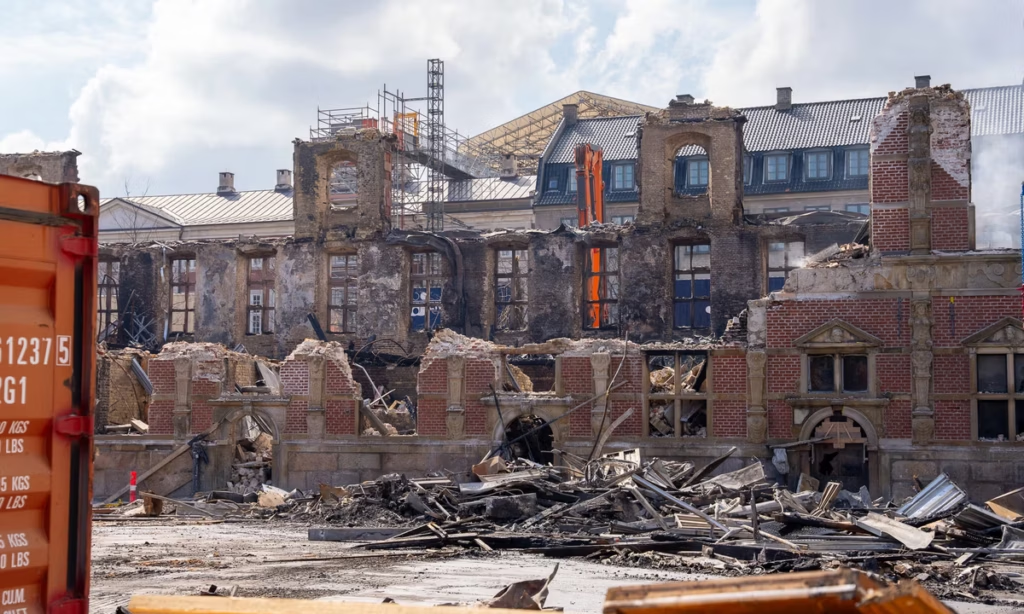
In 2024, a devastating fire swept through the historic Copenhagen Stock Exchange, leaving behind a scar on the city’s architectural heritage. This red-brick gem, an embodiment of centuries-old craftsmanship and civic pride, lost nearly half of its structure in the blaze. Yet, from the ashes of this calamity emerges a narrative not solely of loss but of resilience and rebirth, echoing lessons learned from other monumental restorations, most notably that of Notre-Dame Cathedral.
Inspiration from Paris
The meticulous reconstruction of Notre-Dame has served as a beacon of hope and guidance for architects and city planners worldwide. Its restoration, steeped in dialogue between tradition and modern needs, emphasizes a key principle: the importance of heritage in contemporary society. As Copenhagen’s Stock Exchange embarks on its own journey toward revitalization, this ethos resonates deeply, reminding us that architectural integrity can coexist with modern innovation.
Preserving Cultural Essence
The ambition driving the reconstruction project is not merely to replace what was lost, but to enhance and preserve the cultural essence of the original building. The design team is committed to employing traditional techniques alongside cutting-edge technologies, ensuring that the new structure honors the historical narrative while integrating sustainable practices. This duality captures the spirit of Copenhagen—where the past is cherished, yet the future is embraced with open arms.
The Economics of Restoration
Investing in cultural heritage has proven to be financially astute. The renewed Copenhagen Stock Exchange is anticipated to attract both local and international attention, providing a boost to the Danish economy. As similar restorations have shown, such as those in Paris, a restored landmark can catalyze tourism, inspire local businesses, and foster community engagement. In a city like Miami, where cultural landmarks play a crucial role in the urban fabric, the economic ripple effects of such projects are palpable.
Artistry and Craftsmanship
What sets the reconstruction apart is its dedication to artistry and craftsmanship. The original architecture was a masterpiece of its time, with intricate brickwork and elegant design elements that conveyed the city’s aspirations. The new project aims to retain these artistic qualities, leveraging skilled artisans and craftsmen who can replicate the original techniques. This commitment to authenticity not only preserves the building’s physical form but also its soul, which is essential for fostering a connection between past and present.
Community and Collective Memory
As the Copenhagen Stock Exchange rises again, it will not merely serve as a financial hub but also as a space for community gathering and collective memory. The architects envision a structure that welcomes dialogue and interaction, a place where the citizens can engage with their heritage. In an era where urban development often prioritizes profit over people, this approach emphasizes the importance of creating spaces that nurture communal ties and foster a sense of belonging.
Conclusion: A New Chapter Unfolds
The reconstruction of the Copenhagen Stock Exchange is much more than a restoration; it is a testament to resilience, artistry, and the enduring power of heritage. As lessons are drawn from Notre-Dame, this project stands as a symbol of hope, innovation, and the belief that from the ashes of devastation, new beginnings can emerge. As we turn our eyes toward the future, we are reminded that the stories embedded within our architectural treasures must never be forgotten, but rather celebrated and continued.
Editorial note: This article was created by A Bit Lavish Miami’s Magazine as an original editorial reinterpretation based on publicly available reporting. Original source: theartnewspaper.com. Read the original article here: https://www.theartnewspaper.com/2026/07/30/lessons-from-notre-dame-inform-reconstruction-of-copenhagen-stock-exchange-building.
Images are used for editorial reference with source credit. If an image requires correction or removal, please contact A Bit Lavish.









Echoes of History: The Loss of a 300-Year-Old Cossack Church in Ukraine
Exploring the cultural significance and tragic loss of the Holy Presentation Church,...
 2 Mins read

A New Chapter: Tim Reeve Takes the Helm at English Heritage
Tim Reeve, former deputy director of the V&A, embarks on a significant...
2 Mins read

A Cultural Exchange: Islamic Art Treasures from the Louvre to Enrich Washington’s Museum Scene
Explore the significance of the Louvre's upcoming loan of Islamic art to...
2 Mins read



Art Under Siege: The Struggle of Activism in Indian Contemporary Art
Exploring the intersection of art, activism, and the implications of dissent in...
3 Mins read

Leave a comment