
Extreme Heat Causes Highway Buckling in Manitoba, Endangering Motorists
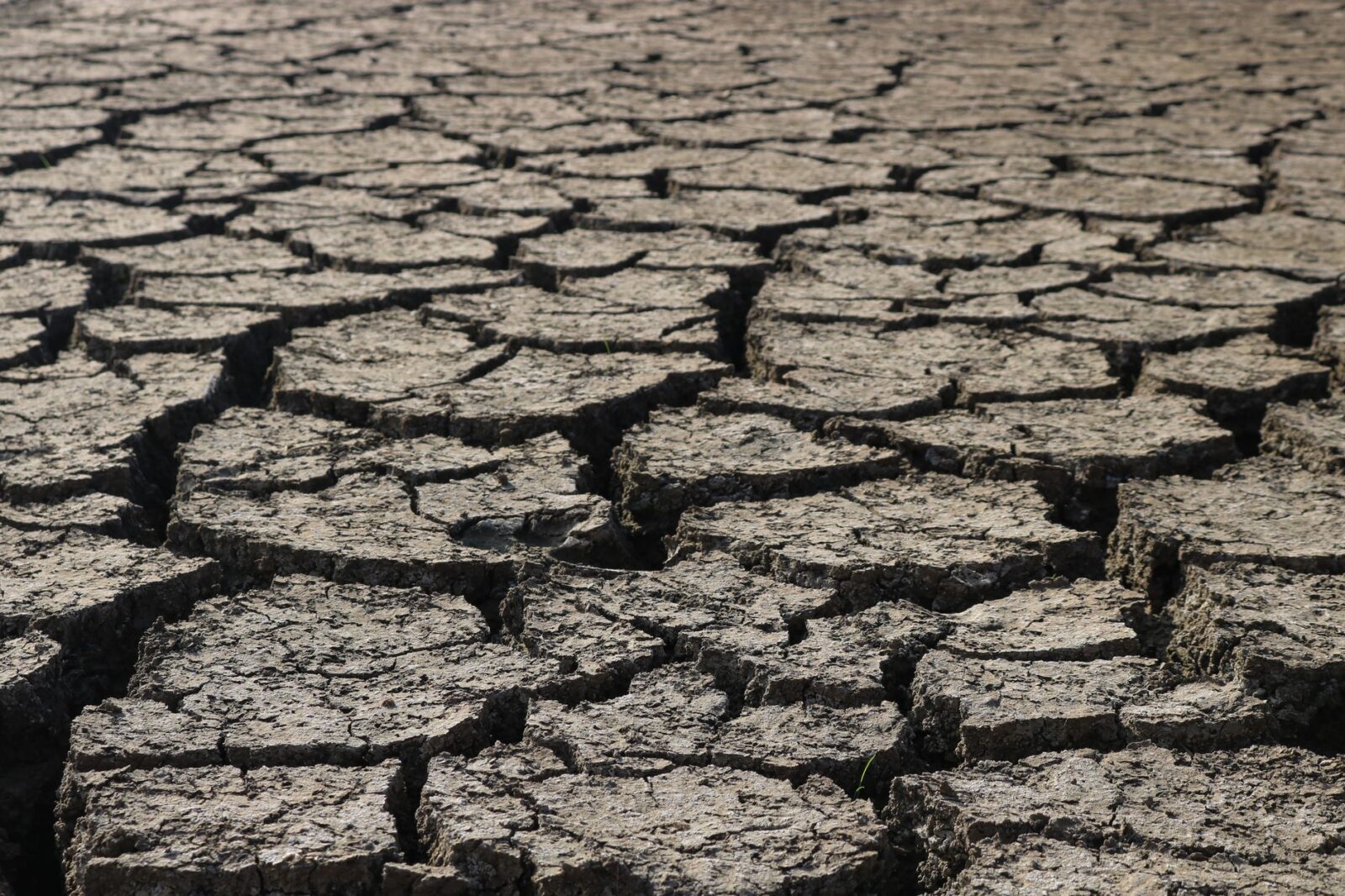
On July 13, 2026, a section of highway in Manitoba suffered significant buckling due to extreme heat conditions, resulting in hazardous driving situations for motorists. The incident occurred amidst a broader pattern of severe weather affecting the region, prompting immediate concerns about road safety and infrastructure integrity. Witnesses reported that a car traveling on the affected stretch ‘took a beating’ as it navigated the warped surface, underscoring the potential dangers posed by climate-related phenomena.
The Manitoba Transportation and Infrastructure department is now evaluating the extent of the damage, as well as the necessary repairs to restore safe travel conditions on this critical roadway. This event has drawn attention to the aging infrastructure across Canada, particularly in the face of increasing temperatures and changing climate patterns. The provincial government has been under scrutiny regarding their preparedness for such extreme weather events, which could become more frequent and severe as climate change progresses.
This incident matters not only for local residents but also raises alarms at the national level regarding infrastructure resilience and public safety. As climate change continues to exert pressure on various systems, the need for strategic investments in infrastructure to withstand such conditions becomes paramount. Policymakers may face increased calls to allocate resources towards upgrading roads and implementing more robust engineering standards to mitigate future risks.
Looking ahead, it is likely that the Manitoba government will convene discussions on infrastructure strategy, potentially leading to new policies aimed at enhancing road safety and resilience against climate impacts. The outcomes of these discussions could set a precedent for other provinces facing similar challenges, emphasizing the need for a coordinated national response to climate change and infrastructure vulnerability.
Source: CBC










DOJ Critiques Kennedy Center Amid Trump Controversy
The DOJ's recent remarks on the Kennedy Center highlight ongoing tensions surrounding...
 1 Mins read

FBI and DOJ Disrupt China-Linked Hacking Group Targeting U.S. Hospitals and Infrastructure
The disruption of a China-linked hacking group underscores ongoing cybersecurity threats to...
1 Mins read

U.S. Judge Overturns Pentagon’s Blacklisting of Anthropic, Paving the Way for AI Collaboration
The ruling has significant implications for AI development and safety standards globally.
1 Mins read


Federal Judge Declares Pentagon’s Actions Against Anthropic ‘Illegal and Baseless’
This ruling may reshape the landscape of AI governance and military oversight...
1 Mins read
