
Fueling the Future: SpaceX’s Bold Pipeline Initiative at Starbase
Charting New Territory in Aerospace
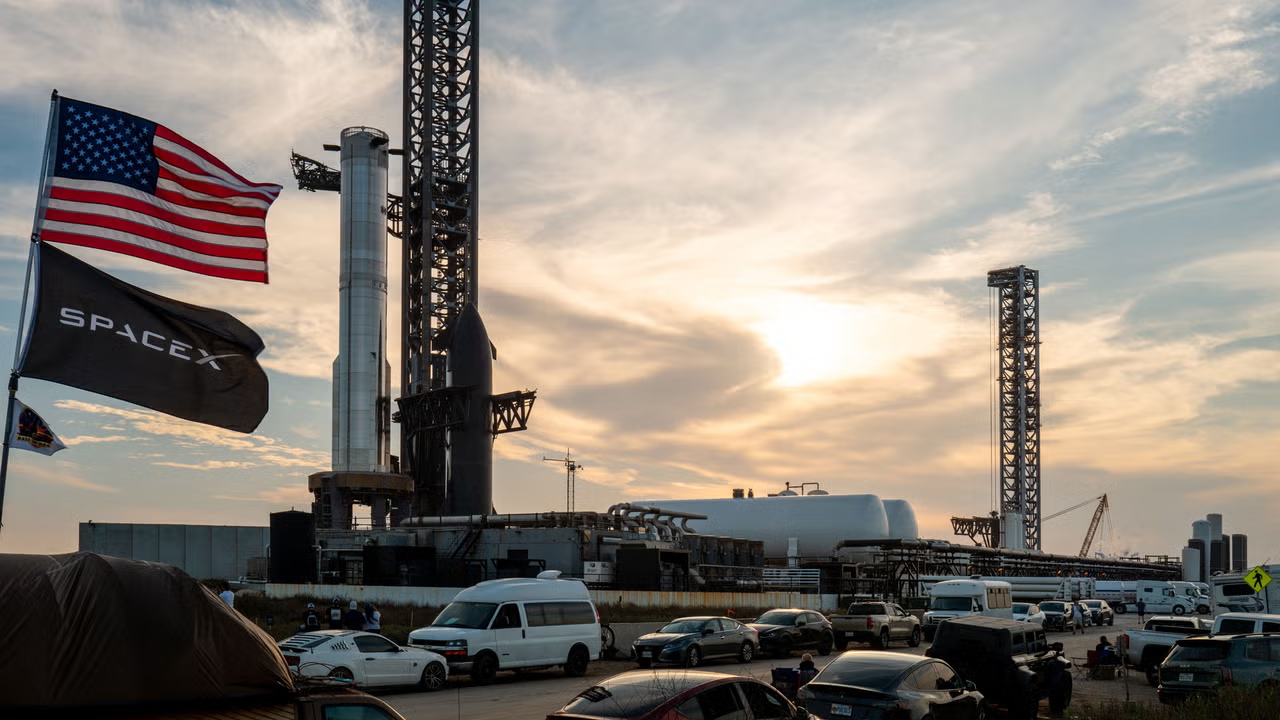
In a remarkable move that underscores its commitment to revolutionizing space travel, SpaceX is laying the groundwork for a significant increase in its launch capabilities at the Starbase complex in Texas. This ambitious project will involve the construction of an eight-mile pipeline designed to transport natural gas, which will subsequently be processed into liquid methane to fuel the company’s groundbreaking Starship spacecraft.
An Innovative Fuel Source
The strategic decision to develop this pipeline is rooted in the need to enhance operational efficiency. Currently, transporting fuel to Starbase is a cumbersome and costly process that hampers the frequency of launches. By establishing a direct supply line from the Port of Brownsville, SpaceX aims to streamline its operations and potentially achieve an impressive target of up to 25 launches per year, if not more.
Addressing Challenges and Opportunities
As SpaceX embarks on this venture, it faces a dual-edged sword of opportunity and scrutiny. On one side, the company is exploring the possibility of drilling its own natural gas, which could further reduce costs in the long run. On the other, local residents express valid concerns regarding environmental impacts, particularly given the sensitive wetland habitats surrounding Starbase.
The Community’s Concerns
Environmental considerations are paramount in this scenario. The recent history of SpaceX’s operations has not been without its challenges, including a mid-air explosion that resulted in debris scattering across an extensive area and raised alarms about potential ecological damage. The U.S. Fish and Wildlife Service has monitored the impacts, noting the absence of fatalities among local wildlife but acknowledging the need for vigilance in protecting endangered species and their habitats.
Increasing Launch Cadence: A Double-Edged Sword
As SpaceX gears up for a more aggressive launch schedule, the implications for regional air traffic management cannot be overlooked. The uptick in launch frequency presents logistical challenges for air traffic controllers, necessitating a careful balance between innovation and operational safety. This evolving landscape presents a unique opportunity for Miami’s own aerospace sector, which can draw lessons from SpaceX’s approach to rapid innovation while navigating regulatory frameworks.
Envisioning the Future of Space Exploration
The Starship project is more than just a vehicle; it represents SpaceX’s vision for the future of space exploration. With NASA as a key partner, SpaceX is working under a multibillion-dollar contract that includes ambitions to land astronauts on the moon and, ultimately, to send crewed missions to Mars. The scale and ambition of the Starship—standing at a staggering 397 feet and powered by 33 Raptor engines—highlight the technological advancements being made in the aerospace industry. Each launch requires an estimated 630,000 gallons of liquid methane, emphasizing the critical need for a reliable and efficient fuel supply.
A Turning Point for SpaceX and Beyond
The upcoming construction of the pipeline marks a pivotal moment for SpaceX, as it not only aims to enhance its operational capabilities but also addresses broader environmental and community concerns. The balance between innovation and responsibility will be crucial as the company navigates its ambitious goals. For Miami, a city recognized for its vibrant business landscape and penchant for innovation, these developments in Texas may serve as a catalyst for local aerospace initiatives, prompting a reevaluation of how the industry can grow sustainably while pushing the boundaries of exploration.
Editorial note: This article was created by A Bit Lavish Miami’s Magazine as an original editorial reinterpretation based on publicly available reporting. Original source: fastcompany.com. Read the original article here: https://www.fastcompany.com/91566826/how-spacex-wants-to-fuel-starships-next-phase-with-a-texas-pipeline.
Images are used for editorial reference with source credit. If an image requires correction or removal, please contact A Bit Lavish.







Guardians of Innovation: The Rising Tide of Security Workers in Silicon Valley
Explore the critical role of security workers in Silicon Valley's AI landscape...
 2 Mins read

The New Chapter in AI: How Book Acquisitions are Reshaping Language Models
Explore how AI companies are acquiring physical books to enhance training for...
2 Mins read

Reassessing the Impact of Cell Phone Bans in Schools: A Miami Perspective
Explore the nuanced effects of cell phone bans in schools, with insights...
2 Mins read



Navigating the AI-Infused Entertainment Landscape: The Rise of ‘Bad Cat’
Explore the intriguing intersection of AI and nostalgia in entertainment with the...
2 Mins read
