
Glenn Beck Reveals Secret White House Tour with NDA Under Trump Administration

On June 17, 2026, conservative media personality Glenn Beck revealed that he received a highly confidential tour of the White House during the Trump administration, necessitating him to sign a non-disclosure agreement (NDA). This revelation, made public through an exclusive report, underscores the complex interplay of media, politics, and secrecy that characterized Trump’s presidency.
Beck, known for his influential role in conservative circles and as the founder of TheBlaze, disclosed that the tour was so secretive that it involved formal legal agreements to prevent disclosure of its details. This incident raises significant concerns about the level of transparency maintained by the highest offices in the United States, particularly during a period marked by heightened scrutiny of political actions and decisions. The implications of such secrecy are profound, as they contribute to public distrust and skepticism regarding governmental operations.
This revelation is particularly pertinent as it coincides with ongoing discussions about the accountability of public officials and the need for reform in how political access is granted and managed. The use of NDAs in political contexts has become a contentious issue, prompting debates about the ethical implications of restricting information that could be vital for public knowledge and democratic engagement.
Looking ahead, this disclosure could catalyze renewed calls for legislative changes aimed at increasing transparency within the government. As citizens and watchdog organizations demand greater openness, the impact of Beck’s revelations could resonate beyond the immediate political landscape, potentially influencing future administrations’ approaches to public engagement and accountability. The unfolding narrative may also provoke further inquiries into other instances of political secrecy, shaping the discourse around governance in the years to come.
Source: New York Post









Gaza Students Resort to Writing on Aid Boxes Amid Severe Paper Shortages
The ongoing paper shortages in Gaza highlight the humanitarian crisis affecting education...
 1 Mins read

China’s UN Envoy Urges Israel to Adhere to Gaza Ceasefire Amid Escalating Tensions
China's call for Israel to uphold the Gaza ceasefire highlights the urgent...
1 Mins read
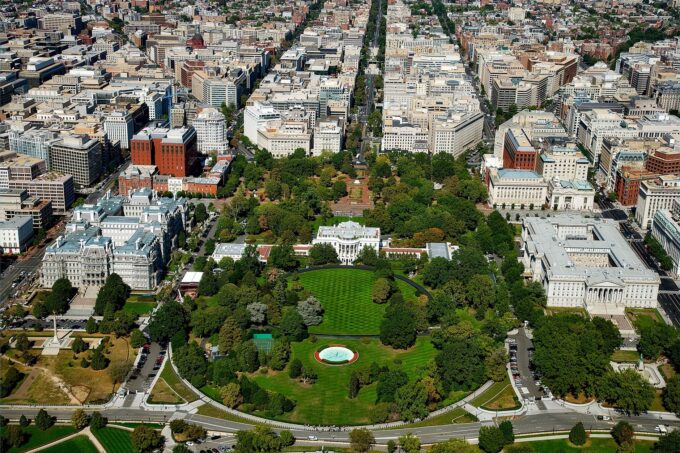
White House Highlights Delayed Obama Presidential Center to Elevate Trump’s Legacy as ‘Builder-in-Chief’
The delayed inauguration of the Obama Presidential Center underscores the contrasting legacies...
1 Mins read


Trump’s Executive Power Ambitions Emerge in New Book
The global implications of Trump's increasing push for executive power resonate amid...
1 Mins read

Leave a comment