
Trump Disrupts Senate Dynamics on Surveillance Authority Legislation
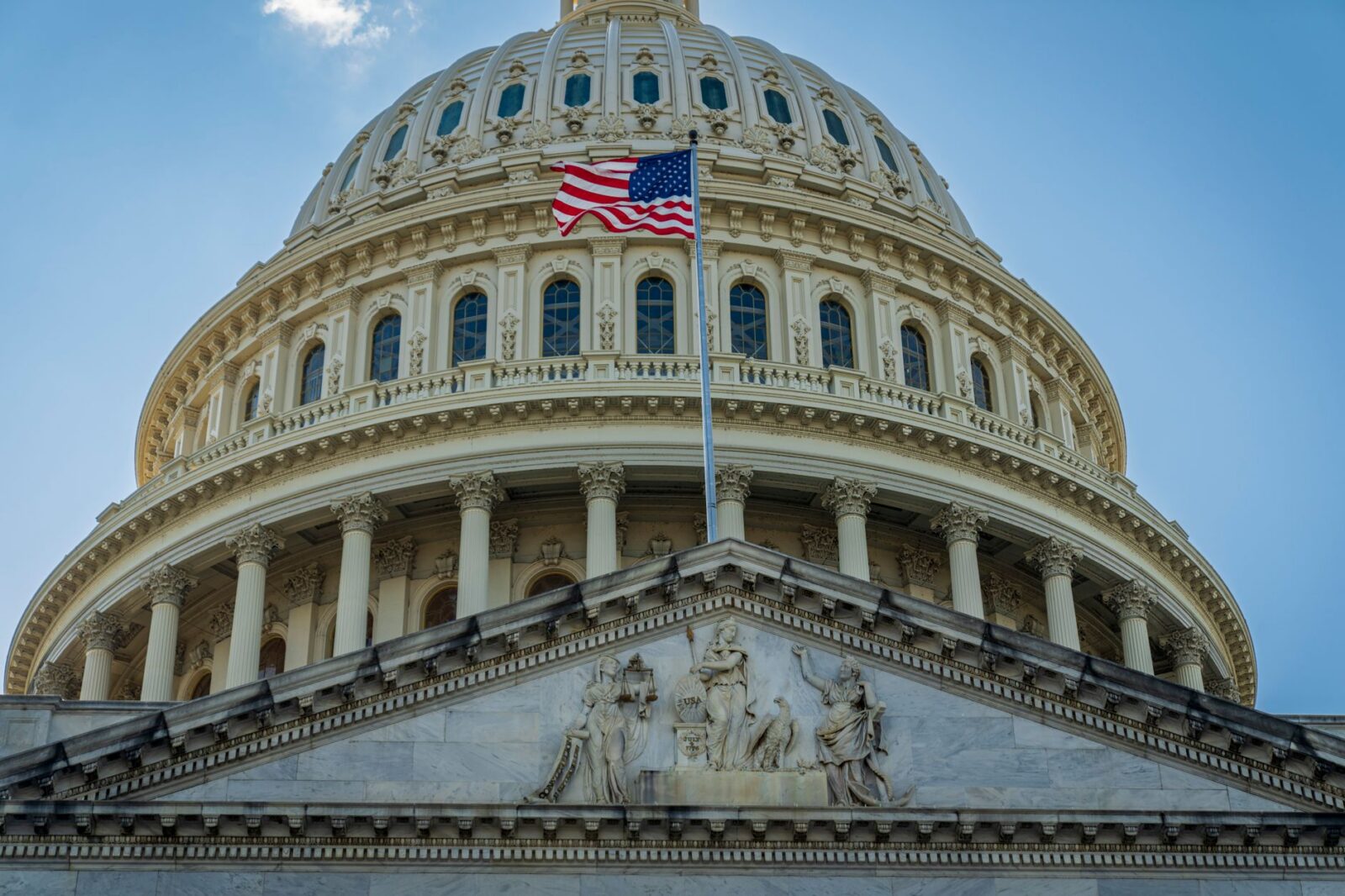
In a significant political maneuver, former President Donald Trump has disrupted the Senate’s path toward reauthorizing key surveillance authorities, which are set to expire soon. This development comes as lawmakers were poised to advance a bipartisan bill intended to extend the Foreign Intelligence Surveillance Act (FISA) provisions that have been a cornerstone of U.S. intelligence operations since their inception.
Trump’s involvement, which has been marked by his vocal opposition to the surveillance measures, particularly regarding their implications for civil liberties and privacy rights, has galvanized a faction within the Senate. This faction, comprising both Republican and Democratic members, is now reassessing the balance between national security and individual rights in light of Trump’s criticisms. Senators like Rand Paul and Elizabeth Warren have echoed Trump’s concerns, advocating for more stringent oversight of surveillance practices.
The urgency of this issue cannot be overstated, as the expiration of these surveillance authorities could lead to significant gaps in U.S. intelligence capabilities, potentially compromising national security. The global implications are profound: allies and adversaries alike closely monitor U.S. policy shifts that could influence international intelligence-sharing agreements and counter-terrorism collaborations.
Looking ahead, the Senate faces a critical juncture. Lawmakers must navigate the complexities of aligning Trump’s populist approach with the traditional security mindset of many in Congress. Failure to reach a consensus could not only stall essential intelligence operations but also embolden critics of U.S. surveillance practices worldwide, leading to a re-evaluation of how nations approach privacy in the digital age.
Source: Roll Call









Gaza Students Resort to Writing on Aid Boxes Amid Severe Paper Shortages
The ongoing paper shortages in Gaza highlight the humanitarian crisis affecting education...
 1 Mins read

China’s UN Envoy Urges Israel to Adhere to Gaza Ceasefire Amid Escalating Tensions
China's call for Israel to uphold the Gaza ceasefire highlights the urgent...
1 Mins read
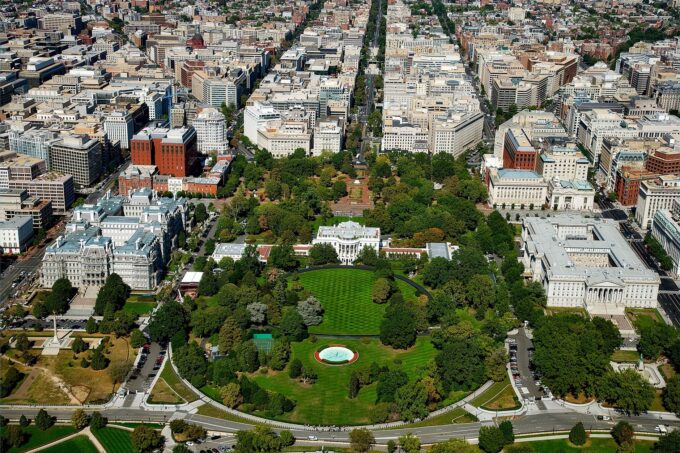
White House Highlights Delayed Obama Presidential Center to Elevate Trump’s Legacy as ‘Builder-in-Chief’
The delayed inauguration of the Obama Presidential Center underscores the contrasting legacies...
1 Mins read
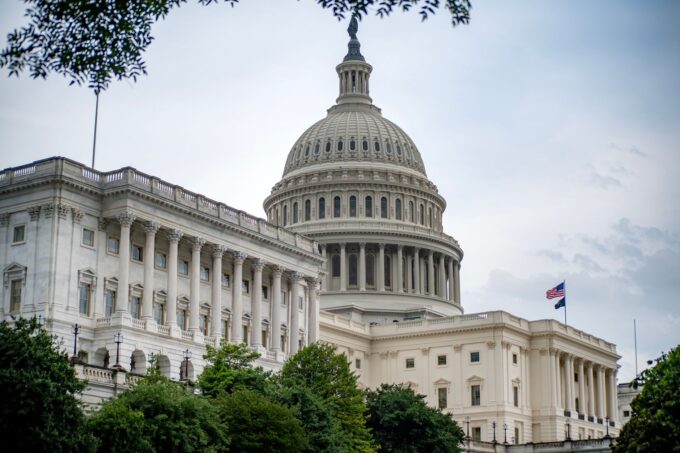


Trump’s Executive Power Ambitions Emerge in New Book
The global implications of Trump's increasing push for executive power resonate amid...
1 Mins read

Leave a comment