
Iran Strikes Togo-Flagged Oil Tanker in Strait of Hormuz: A Geopolitical Flashpoint
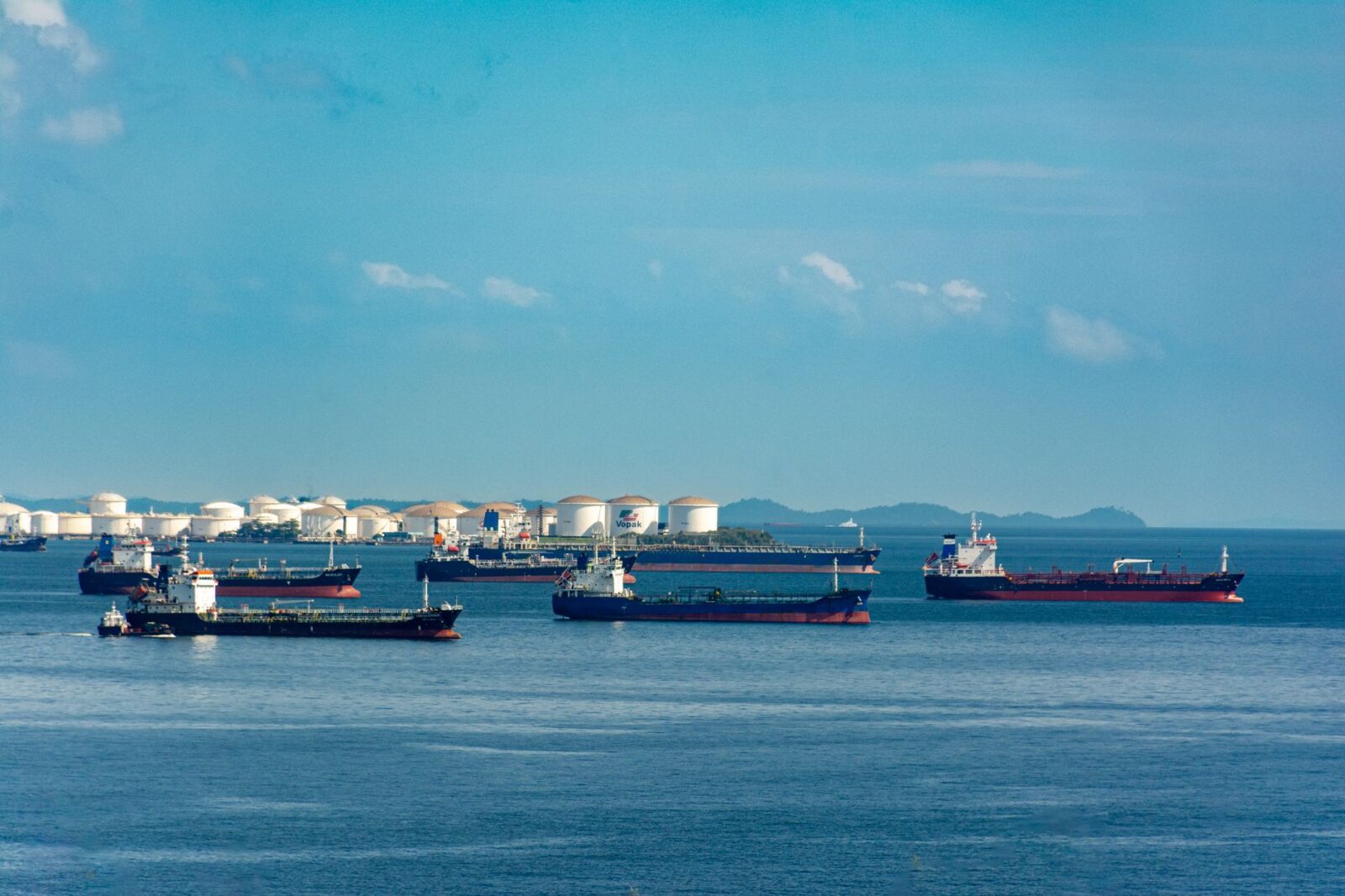
TEHRAN — September 18, 2026
In a provocative escalation of tensions in the Middle East, Iran has reportedly struck a Togo-flagged oil tanker in the strategically vital Strait of Hormuz. The incident occurred early on September 18, 2026, and has drawn immediate international attention due to its implications for global oil markets and regional security.
The tanker, identified as the MV Amina, was targeted while navigating through one of the world’s busiest maritime chokepoints, which sees approximately 20% of the global oil supply transit daily. This strike is part of a broader pattern of Iranian military actions aimed at asserting control over the region and responding to perceived threats from the United States and its allies.
The Iranian government has not officially confirmed the attack, but sources within the Iranian military suggest that it was a calculated response to ongoing sanctions and military pressure from the U.S. and its partners in the region. The U.S. Navy has increased its presence in the Gulf in recent months, citing threats to maritime security, which has likely contributed to Iran’s aggressive posture.
The attack on the MV Amina is significant not only for its immediate impact on shipping routes but also for the potential ripple effects on global oil prices. Analysts predict that any disruption in the Strait of Hormuz could lead to a spike in oil prices, affecting economies worldwide that are already grappling with inflationary pressures. The price of Brent crude oil, which serves as a global benchmark, is expected to react sharply to this incident.
This incident is receiving heightened attention now due to the ongoing geopolitical tensions between Iran and the West, particularly following the recent sanctions imposed on Iran’s oil exports. The U.S. has been vocal about its commitment to ensuring freedom of navigation in the Strait, and this latest strike may prompt a reevaluation of military strategies in the region.
The implications of this development extend beyond immediate economic concerns; they touch on broader issues of regional stability and international relations. The Strait of Hormuz has historically been a flashpoint for conflict, and any escalation could lead to military confrontations involving multiple nations, including the United States, Saudi Arabia, and other Gulf states.
Looking ahead, the international community will be closely monitoring Iran’s next moves. Potential responses could range from increased military presence by the U.S. and its allies to diplomatic efforts aimed at de-escalation. The situation remains fluid, and further developments could emerge in the coming days as nations assess their strategic interests in light of this provocative act.
Source: Reuters










Russia’s Ruling Party Secures Victory in Wartime Election Amid Drone Strikes
The ruling party in Russia has won a significant election amidst ongoing...
 2 Mins read

Trump Unveils Plans for Military Complex Featuring Drones and Snipers at Washington’s Triumphal Arch
The announcement of a military complex by Donald Trump at a significant...
2 Mins read

Russia’s Ruling Party Poised for Victory in Wartime Election Amid Drone Strikes
The ruling pro-Putin party is on track to secure a significant electoral...
2 Mins read



Eighteen Suspects in Haitian President’s Assassination Extradited to the U.S.
The extradition of suspects involved in the assassination of Haiti's president marks...
2 Mins read

Leave a comment