

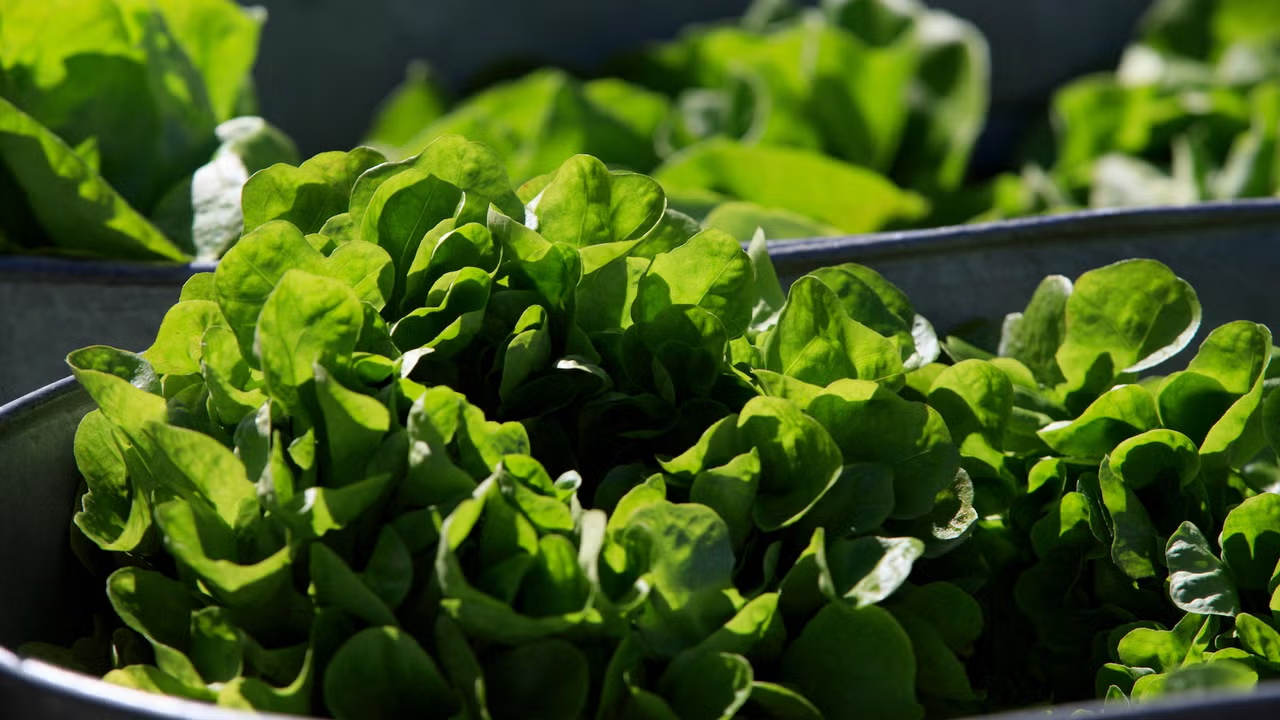
Current Turbulence in the Lettuce Market
The restaurant industry, particularly those with a strong emphasis on fresh ingredients, is facing significant challenges stemming from a tumultuous lettuce market. This past year has been particularly harsh, with lettuce prices surging due to severe weather conditions in Arizona, a critical hub for lettuce production in the United States. The resultant strain on supply chains has left many restaurants grappling with not only rising costs but also consumer health concerns.
The Impact of Cyclospora on Consumer Confidence
Compounding the challenges is a recent cyclospora outbreak linked to shredded lettuce, which has led to widespread illness among diners. Reports indicate that thousands of individuals across multiple states have been affected, resulting in a notable dip in customer traffic at restaurants relying on lettuce-heavy offerings. For example, Taco Bell, a major player in the fast-food industry, reported a 2% decline in same-store sales during a critical summer quarter, a stark contrast to the prior period’s 7% increase. The outbreak has elicited a cautious response from consumers, leading to decreased foot traffic that has rippled through the dining landscape.
Brand Strategies Amidst Crisis
In response to this crisis, innovative strategies have emerged. Taco Bell quickly acted to reassure customers by removing potentially contaminated supplies and effectively communicating their actions through social media channels. This proactive approach, coupled with enticing promotions, helped restore consumer confidence, with sales improving steadily after an initial decline. Yum Brands, the parent company, emphasized transparency and rapid response as key factors in regaining customer trust.
Broader Implications for Miami’s Culinary Scene
For Miami’s vibrant dining scene, the implications of the lettuce crisis are multifaceted. Restaurants that prioritize fresh, local ingredients may find themselves at a crossroads, needing to adapt menus in real-time to accommodate fluctuating ingredient availability and prices. Notably, chains like Chipotle and local salad-focused establishments have also reported a downturn in customer visits, reflecting the broader impact of consumer sentiment regarding food safety.
Shifting Dynamics in Ingredient Pricing
As restaurants navigate these complexities, they must also contend with the rising cost of lettuce itself. Recent data shows retail prices for lettuce skyrocketing, with consumers paying approximately 33% more for fresh varieties compared to the previous year. This inflationary trend poses a significant challenge for restaurateurs who strive to maintain quality while managing costs, further complicating menu pricing strategies.
Future Outlook: Resilience and Adaptation
Looking ahead, the lettuce industry and Miami’s restaurants will need to adopt resilience and innovation to overcome these challenges. Maintaining a robust cold chain for perishables will be crucial, as will investing in alternative sourcing strategies to mitigate the risks associated with climate fluctuations and food safety concerns. The necessity for rigorous safety standards cannot be overstated, as public trust hinges on the assurance that dining remains a safe and enjoyable experience.
Concluding Thoughts
The current state of the lettuce market serves as a microcosm for broader economic and health-related challenges facing the food service industry. While the immediate effects of the cyclospora outbreak and price surges are palpable, the long-term implications will shape the future landscape of dining in Miami and beyond. Restaurateurs are called not only to adapt but to lead with transparency and innovation, ensuring that the essence of culinary artistry is preserved even in the face of adversity.
Editorial note: This article was created by A Bit Lavish Miami’s Magazine as an original editorial reinterpretation based on publicly available reporting. Original source: fastcompany.com. Read the original article here: https://www.fastcompany.com/91582655/cyclospora-lettuce-taco-bell-restaurants-customers.
Images are used for editorial reference with source credit. If an image requires correction or removal, please contact A Bit Lavish.










Navigating the New Landscape of Home Affordability: A Deep Dive into Market Trends
Explore the evolving dynamics of home affordability in the U.S. housing market...
 2 Mins read

Rethinking Economic Narratives: The End of the K-Shaped Economy?
Treasury Secretary Scott Bessent declares the end of the K-shaped economy, but...
2 Mins read
Fantasy Baseball Trade Deadline Spurs Strategic Shifts in Bullpen Dynamics
The August 2026 trade deadline reshapes bullpen roles, impacting team strategies and...
1 Mins read



Jefry Yan Celebrations Mark a New Era in Major League Baseball
The global sports community recognizes Jefry Yan's achievements, highlighting the evolving landscape...
1 Mins read

Leave a comment