

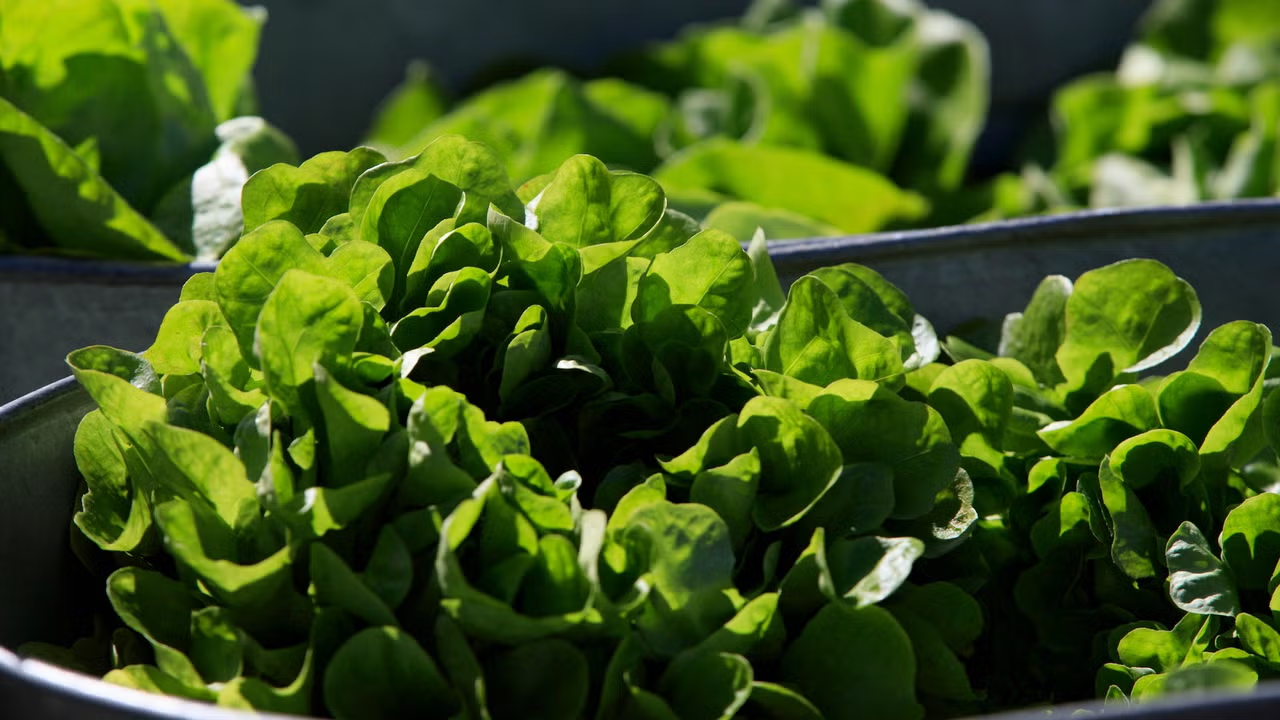
A Challenging Climate for Lettuce
The restaurant landscape has faced considerable upheaval lately, with lettuce—a staple ingredient—emerging at the center of several daunting challenges. A surge in lettuce prices in early 2026, attributed to extreme weather conditions in Arizona, has been compounded by a cyclospora outbreak affecting restaurants nationwide.
Price Escalation and Consumer Concerns
According to recent government data, the retail price of iceberg lettuce soared nearly 20% between January and June of this year. This sharp increase left consumers grappling with an average of 33% higher prices for all varieties of fresh lettuce compared to the previous year. The escalating costs have not only strained consumer budgets but also forced restaurants to reassess their menu strategies.
Yum Brands, the parent company of Taco Bell, reported a decline in same-store sales by 2% in the latter half of the year. This downturn was largely attributed to consumer hesitancy stemming from the cyclospora outbreak linked to shredded lettuce served in several states. The initial outbreak affected locations in Indiana, Kentucky, Michigan, Ohio, and West Virginia, prompting Taco Bell to swiftly remove the implicated iceberg lettuce from their offerings.
Brand Response and Recovery Strategies
In the wake of the outbreak, Taco Bell’s quick action and transparent communication played a crucial role in restoring consumer confidence. The introduction of enticing promotions, such as $1 Mexican pizzas, was instrumental in enticing customers back. Yum Brands’ leadership highlighted the importance of effective brand management during crises, noting that consumer sentiment began to improve as the public recognized that the issue was not specific to Taco Bell.
Meanwhile, the broader restaurant sector has not been immune to the fallout. Chipotle Mexican Grill adjusted its sales expectations downward, anticipating only a 1% increase in same-store sales instead of the previously projected 3%. Similarly, foot traffic at Chopt, a salad-focused chain, plummeted by 24% compared to typical traffic patterns, emphasizing the ripple effects of the outbreak.
Emerging from a Perfect Storm
The challenges facing the lettuce market this year were exacerbated by a combination of supply chain disruptions and rising operational costs. The cyclospora outbreak came at a time when the industry was still recovering from significant supply gaps caused by unusually hot weather in Arizona that accelerated crop maturation. This left a void until California’s harvest could take over in late April.
Fuel costs have also surged due to geopolitical tensions, notably following military actions involving the U.S. and Iran, which have impacted the cost of transportation—critical for preserving the integrity of perishable goods like lettuce. Elizabeth Canales, an expert in agricultural economics, noted that maintaining a robust cold chain is essential for the freshness of lettuce from harvest to sale.
Consumer Behavior and Market Shifts
The cyclospora situation revealed significant shifts in consumer behavior, as diners became more cautious about where and what they eat. As of late July, the CDC reported over 6,700 confirmed cases linked to the outbreak, further complicating the narrative for the lettuce industry.
Despite these obstacles, some segments of the market are showing resilience. While traditional lettuce prices have soared, certain salad mixes have seen a reduction in price, providing consumers with more affordable options amidst rising costs. This shift could signify an opportunity for innovative restaurants to pivot their menus and cater to changing consumer preferences.
Looking Ahead: A Path to Resilience
As the lettuce industry navigates an incredibly tumultuous year, the focus on food safety and supply chain management is paramount. Restaurants are being called upon to enhance their transparency regarding ingredient sourcing and safety protocols, which could serve to foster greater trust with consumers.
The ongoing FDA investigations into the outbreak will likely bring further insights into the complexities of food safety in the U.S. market. As food safety becomes increasingly scrutinized, brands that prioritize rigorous safety measures and clear communication will likely emerge stronger.
In Miami, where culinary innovation and quality dining experiences are at the forefront, the response to these challenges will shape the future of local restaurants. The city’s vibrant food scene could adapt and thrive by emphasizing fresh, locally-sourced ingredients and robust safety standards, ensuring that diners can enjoy their meals with confidence.
Editorial note: This article was created by A Bit Lavish Miami’s Magazine as an original editorial reinterpretation based on publicly available reporting. Original source: fastcompany.com. Read the original article here: https://www.fastcompany.com/91582655/cyclospora-lettuce-taco-bell-restaurants-customers.
Images are used for editorial reference with source credit. If an image requires correction or removal, please contact A Bit Lavish.









Navigating the New Landscape of Home Affordability: A Deep Dive into Market Trends
Explore the evolving dynamics of home affordability in the U.S. housing market...
 2 Mins read

Rethinking Economic Narratives: The End of the K-Shaped Economy?
Treasury Secretary Scott Bessent declares the end of the K-shaped economy, but...
2 Mins read
Fantasy Baseball Trade Deadline Spurs Strategic Shifts in Bullpen Dynamics
The August 2026 trade deadline reshapes bullpen roles, impacting team strategies and...
1 Mins read



Jefry Yan Celebrations Mark a New Era in Major League Baseball
The global sports community recognizes Jefry Yan's achievements, highlighting the evolving landscape...
1 Mins read

Leave a comment