
Navigating the Aftermath: Florida’s Aging Condo Inventory Post-Surfside
 ABLUpdated 2 hours Ago2 Mins read3
Understanding the Landscape of Aging Condominiums
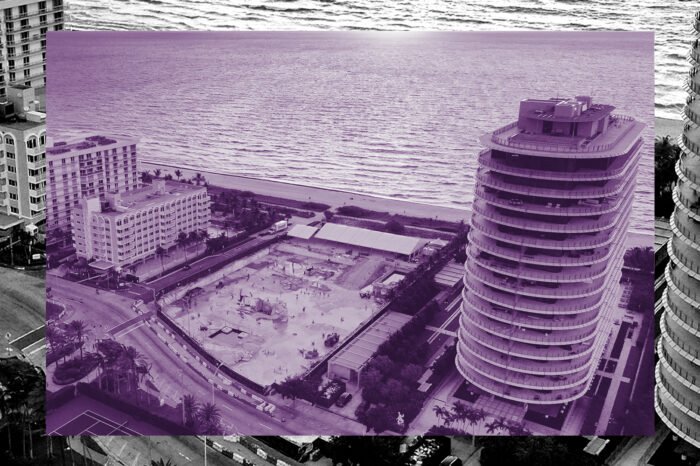
In the wake of the tragic Surfside condo collapse, Florida’s real estate market has been thrust into a critical evaluation of its aging condominium stock. A recent report from the state’s Office of Program Policy Analysis and Government Accountability highlights the plight of these structures, revealing the pressing need for inspections and renovations. This scrutiny comes as a response to heightened safety concerns and regulatory requirements, particularly for buildings that have stood the test of time in South Florida.
Safety Regulations Take Center Stage
With the new regulations mandating milestone inspections for condominium buildings that are three stories or higher and at least 30 years old, or 25 years in certain municipalities, the focus has shifted to ensuring the structural integrity of these aging properties. This initiative is not merely a bureaucratic exercise; it reflects a collective consciousness around safety that has gained momentum since the Surfside disaster. The inspections, slated for completion in 2024 and 2025, aim to unveil the true condition of these condominiums, many of which are now under intense scrutiny.
South Florida’s Unique Challenges
South Florida, known for its vibrant coastal lifestyle, faces unique challenges due to its aging condo inventory. The concentration of older buildings in this region raises questions about their future viability. Many of these structures, once prized for their ocean views and luxury amenities, now require substantial investments to meet contemporary safety standards. The dual pressures of maintaining property values and ensuring resident safety will shape the decisions of homeowners, associations, and potential investors alike.
The Investment Dilemma
For investors eyeing opportunities in South Florida’s real estate market, the implications of these inspections are profound. As the state ramps up its regulatory framework, properties deemed unsafe or in need of significant renovations could see a decrease in market value. Conversely, buildings that successfully navigate these inspections and invest in necessary upgrades may become more attractive, potentially leading to a surge in demand. Investors are advised to carefully weigh the risks associated with older condominiums against the potential for long-term appreciation in a market that continues to evolve.
Architectural Evolution and Future Developments
As the market grapples with the implications of aging structures, the architectural landscape of South Florida is also undergoing transformation. Developers are increasingly focusing on new projects that prioritize modern safety standards, innovative designs, and sustainable practices. This shift not only addresses the immediate concerns surrounding older buildings but also reflects a broader commitment to enhancing the overall quality and resilience of the region’s housing stock. The evolution of architectural design in response to past tragedies is a crucial aspect of ensuring the future safety and desirability of South Florida’s residential offerings.
Community Perspectives and Resident Involvement
While the regulatory and market dynamics play a pivotal role, the voices of residents cannot be overlooked. Homeowners and condominium associations are becoming more proactive in their approach to safety and maintenance, often mobilizing to advocate for necessary changes within their communities. This grassroots engagement is essential for fostering a culture of safety, as residents demand greater transparency and accountability from property management and developers alike.
The Path Forward
As South Florida navigates the complexities of its aging condominium landscape in the aftermath of Surfside, a multifaceted approach is required. Stakeholders must balance the historical value of these properties with the pressing need for safety and modernization. The outcome of this endeavor will not only impact property values and investment opportunities but also shape the very fabric of the community, ensuring that South Florida remains a sought-after destination for residents and investors alike.
Editorial note: This article was created by A Bit Lavish Miami’s Magazine as an original editorial reinterpretation based on publicly available reporting. Original source: therealdeal.com. Read the original article here: https://therealdeal.com/miami/2026/07/14/how-floridas-aging-condo-buildings-faring-post-surfside/.
Images are used for editorial reference with source credit. If an image requires correction or removal, please contact A Bit Lavish.






Tula Residences: Defining Luxury Living in North Bay Village
Explore Tula Residences, an exquisite addition to North Bay Village's luxury real...
 3 Mins read
Transforming Coral Gables: The Rise of Ponce Park
Explore the luxury and architectural elegance of Ponce Park, an upcoming ultra-luxury...
2 Mins read
Progress Residential Secures $385 Million Refinancing for Expansive Florida Portfolio
Progress Residential has successfully secured a $385 million refinancing deal for its...
ABL2 Mins read



Star Island Stunner: Diddy’s $55 Million Waterfront Retreat Changes Hands
Explore the luxury sale of Sean Combs' Star Island mansion, reflecting Miami's...
ABL2 Mins read

Leave a comment