
Navigating the Aftermath: Manuel Llorens’ Insights on Mental Well-Being

Understanding the Emotional Landscape
In the wake of disasters, the human psyche often bears scars that run deeper than the physical devastation. Recent seismic events in Vargas, Venezuela, have highlighted this psychological toll, revealing a crisis that unfolds quietly within communities. As individuals grapple with the loss of homes, loved ones, and their sense of normalcy, a new kind of urgency has emerged—one focused on mental health and emotional recovery.
Clinical psychologist Manuel Llorens sheds light on the reactions stemming from such traumatic experiences. As he notes, the lingering emotional distress is not simply a sign of pathology but rather a normal adaptive response to a profound disruption of safety. In his view, the stress responses observed in affected individuals—irritability, insomnia, and heightened vigilance—are indicative of the body’s natural defense mechanisms.
The Nature of Stress Responses
As communities face the aftermath of natural disasters, the initial shock often gives way to sustained psychological stress. Llorens emphasizes that the body’s heightened alertness is a protective response aimed at restoring a sense of security. During the weeks following a traumatic event, it is common for people to experience a range of symptoms as they navigate their new reality. The challenge lies in managing these responses without succumbing to the overwhelming weight of grief and anxiety.

“The body is wired to protect itself,” Llorens explains, underscoring that the emotional turmoil experienced by survivors is a natural, albeit taxing, part of the recovery process. The sustained activation of stress responses can lead to fatigue and cognitive overload, making it increasingly difficult for individuals to re-engage with their daily lives.
Embracing Collective Healing
While individual coping mechanisms are crucial, Llorens advocates for the importance of communal support in the healing process. He acknowledges that everyone processes trauma differently; some may find solace in sharing their experiences, while others might need solitude to gather their thoughts. This diversity in reactions calls for an environment of respect and understanding, allowing each person’s journey toward recovery to unfold organically.
The phenomenon known as “survivor’s guilt” complicates this landscape. Many who escaped physical harm wrestle with feelings of guilt regarding their survival, a reflection of our shared humanity and moral responsibility toward one another. Llorens encourages individuals to acknowledge these feelings as a natural part of the healing process, prompting essential conversations about community solidarity and support for those who have suffered loss.
Practical Pathways to Resilience
To foster recovery, Llorens offers practical strategies for individuals and communities alike. He highlights the importance of recognizing when professional psychological support is warranted. Signs that indicate the need for professional intervention include worsening symptoms, difficulty maintaining daily responsibilities, and an inability to reconnect with loved ones.

- Create Safe Spaces: Conducting inspections of residential structures can help individuals regain trust in their surroundings.
- Foster Interpersonal Connections: Seeking support from friends and family helps mitigate stress and fosters a sense of safety.
- Encourage Community Bonds: In temporary shelters, maintaining social ties can alleviate feelings of isolation and anxiety.
Furthermore, Llorens emphasizes the significance of self-regulation techniques to help individuals manage their physiological responses to stress. Deep, intentional breathing can activate the parasympathetic nervous system, promoting relaxation. Engaging with nature, spending time with pets, or revisiting previously effective stress-relief activities can also be beneficial in restoring calm.
Collective Commemoration and Dialogue
Addressing trauma is not solely an individual endeavor; it requires collective recognition and engagement. Llorens champions the idea of communal rituals and shared spaces for healing, where individuals can openly express their grief and honor the losses encountered. By facilitating open dialogues and public acknowledgments of tragedy, communities can work together to mend the emotional fabric frayed by disaster.
In this way, the path to recovery from trauma extends beyond personal coping mechanisms into the realm of community solidarity. As Miamians often understand, resilience is not just an individual trait but a collective endeavor that thrives in environments of support, understanding, and shared humanity.
Editorial note: This article was created by A Bit Lavish Miami’s Magazine as an original editorial reinterpretation based on publicly available reporting. Original source: efectococuyo.com. Read the original article here: https://efectococuyo.com/la-humanidad/salud-mental-guia-de-manuel-llorens-para-gestionar-el-estres/.
Images are used for editorial reference with source credit. If an image requires correction or removal, please contact A Bit Lavish.







Dinorah Figuera: A Vision for Venezuela’s Institutional Renaissance
Dinorah Figuera returns to Venezuela with a commitment to reinstitutionalization, aiming to...
 2 Mins read
Vargas: Un Camino hacia la Reconstrucción Sostenible
Un análisis sobre el reciente acuerdo en Vargas para la reconstrucción post-sísmica,...
3 Mins read
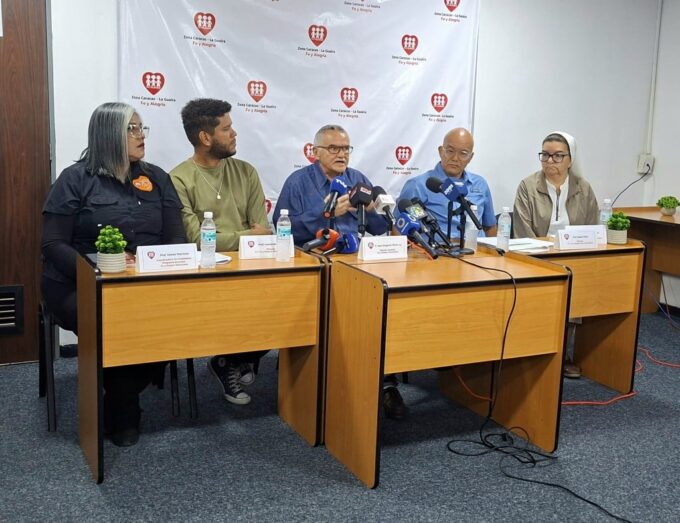
Resilience Amidst Ruin: The Aftermath of Caraballeda’s Earthquake
Exploring the heart-wrenching impact of the recent earthquake on the educational community...
 ABL2 Mins read
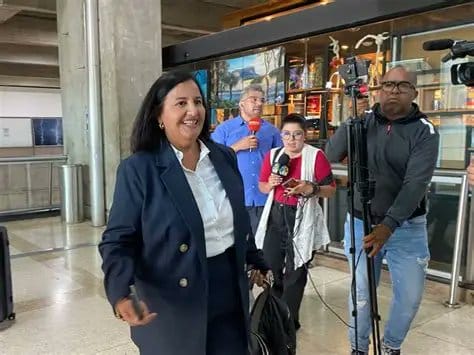


Navigating the Waters of Dialogue: Venezuela’s Political Landscape in Flux
As Venezuela's political factions prepare for a critical dialogue, the return of...
ABL3 Mins read

Leave a comment