
Navigating the Uneasy Waters of Venezuela’s Political Negotiations

The Tides of Change: An Overview
The political landscape in Venezuela is shifting as negotiations between the chavismo regime and opposition factions unfold. The atmosphere surrounding the initial meetings, characterized by secrecy and limited communication, has elicited a spectrum of reactions among analysts and citizens alike. As discussions commenced on August 1, the presentation of delegations from both parties offered a glimpse into the complexities and challenges that lie ahead.
Secrecy and Skepticism
The commencement of negotiations was met with criticism mainly due to the perceived opacity surrounding the process. Observers expressed concerns regarding the initial agenda, which appeared vague and overly general. Protests in La Carlota highlighted the discontent among those who felt excluded from the dialogue. However, amidst the skepticism, some experts retained a sense of cautious optimism, hoping that this nascent dialogue could pave the way for meaningful change.
The Delegations: A Shift in Power Dynamics
The makeup of the negotiating delegations has sparked debate among political analysts. The exclusion of certain radical factions within chavismo suggests a strategic reassessment aimed at fostering a more conciliatory approach. Notably absent were figures associated with the more hardline elements of the regime, indicating a potential recognition of the need for compromise.
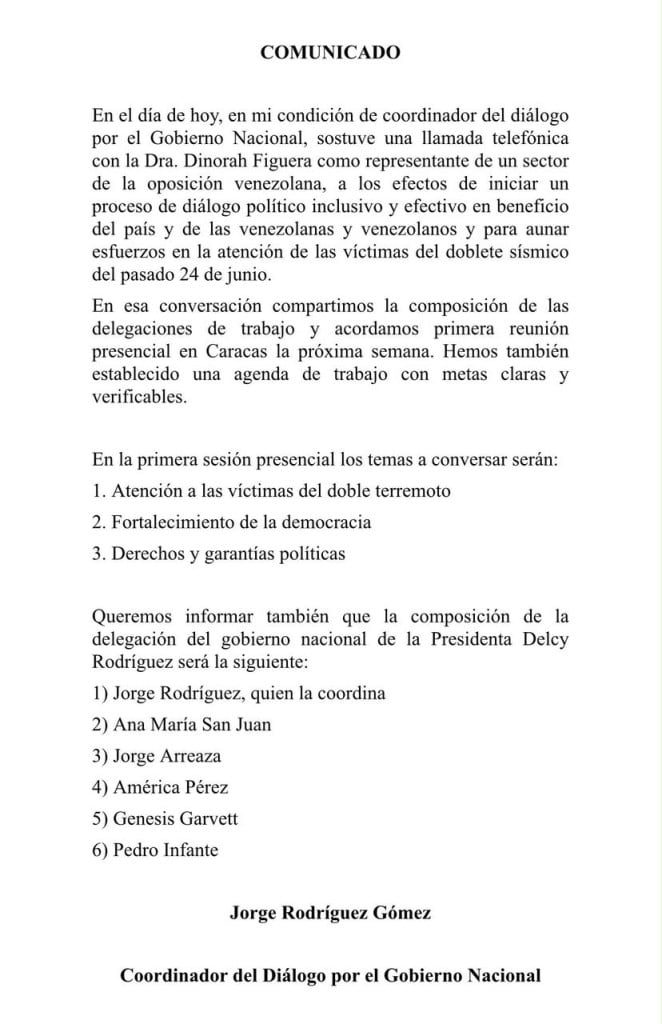
Conversely, the opposition’s representation underscores a calculated decision to include only those who have remained active in the political landscape. This approach, while limiting, may grant them greater freedom to navigate the intricacies of the negotiations without the burden of more polarizing figures.
Goals and Ambiguities
As the discussions unfold, the initial agenda reveals a blend of humanitarian and political objectives. The topics highlighted in both parties’ communications include addressing the aftermath of recent seismic events, the strengthening of democratic institutions, and ensuring political rights for exiled individuals. However, the lack of specificity raises questions about the feasibility of achieving these ambitious goals.
Political consultant Erick Obermaier emphasizes that, while the agenda remains open-ended, it reflects a desire to maintain flexibility. The inclusion of humanitarian concerns suggests a strategic maneuver by chavismo to mitigate the political fallout from recent disasters, potentially using this as a stepping stone toward broader electoral reforms.
External Influences and Expectations
The involvement of external actors, particularly the United States, looms large over the negotiations. Washington’s support for the opposition and cautious endorsement of the dialogue hints at a layered diplomatic strategy. Analysts like Tony Frangie Mawad warn that the opacity of the negotiation process may be indicative of external pressures, shaping the narrative and outcomes in ways that may not align with Venezuelan interests.
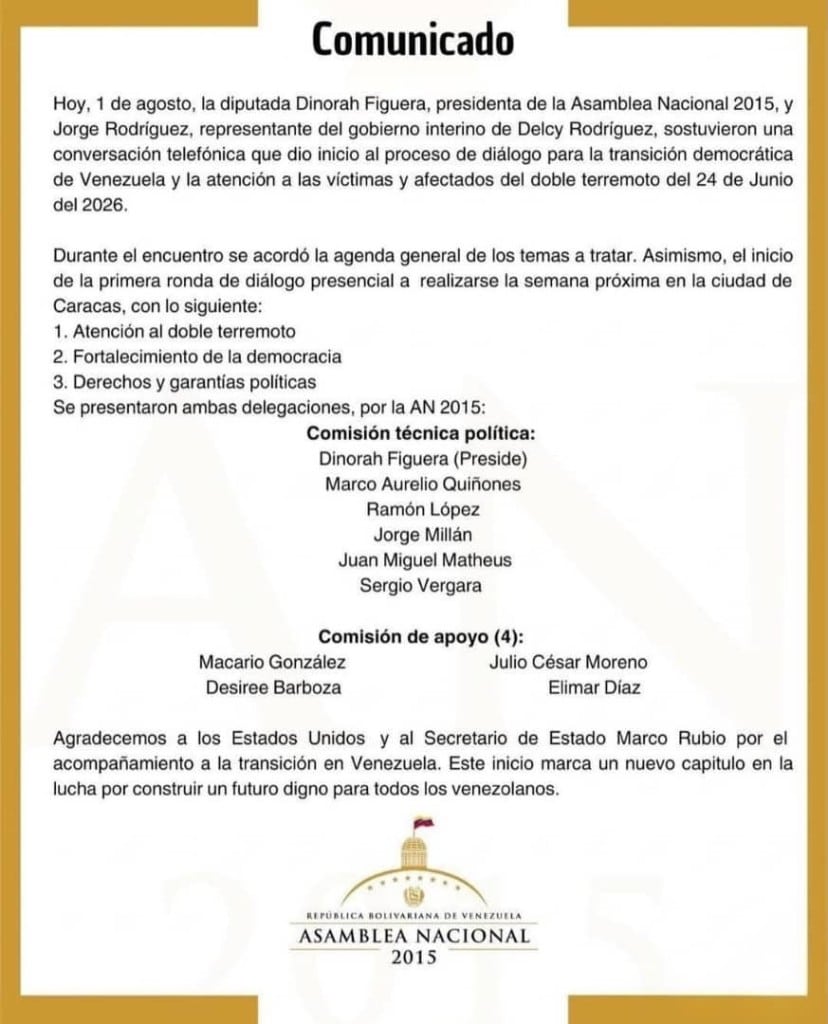
Piero Trepiccione underscores the dual nature of expectations surrounding the talks. While many citizens remain skeptical, there is also a palpable hope for progress. The success of these negotiations will hinge on the ability of both parties to navigate their differences and build a framework that addresses the urgent needs of the Venezuelan populace.
Indicators of Success
Looking ahead, several key indicators will signal the viability of the negotiation process. The establishment of clear timelines and milestones will be crucial in maintaining momentum and fostering trust among the parties involved. Delays or a lack of transparency in communication could undermine confidence and generate further disillusionment among the public.
Furthermore, the tangible outcomes of these discussions will be closely scrutinized. As negotiations progress, the focus will shift toward the implementation of concrete actions that address both humanitarian needs and political reforms. Observers will be watching for any signs of genuine commitment from both sides, as well as their willingness to engage with the broader spectrum of Venezuelan society.
Conclusion: A Path Forward?
The complex interplay of interests, external influences, and historical grievances makes the journey ahead fraught with challenges. While the commencement of negotiations between chavismo and the opposition offers a glimmer of hope for a more stable political landscape, the path to resolution will require deft navigation and a commitment to genuine dialogue.

As the world watches, the outcomes of these discussions will not only shape the future of Venezuela but could also serve as a critical case study in political negotiation and reconciliation.
Editorial note: This article was created by A Bit Lavish Miami’s Magazine as an original editorial reinterpretation based on publicly available reporting. Original source: efectococuyo.com. Read the original article here: https://efectococuyo.com/politica/agenda-reacomodo-chavismo-alerta-inicio-negociaciones/.
Images are used for editorial reference with source credit. If an image requires correction or removal, please contact A Bit Lavish.








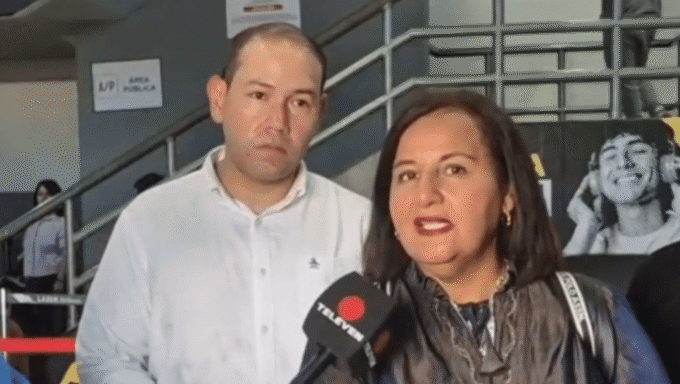
Dinorah Figuera: A Vision for Venezuela’s Institutional Renaissance
Dinorah Figuera returns to Venezuela with a commitment to reinstitutionalization, aiming to...
 2 Mins read
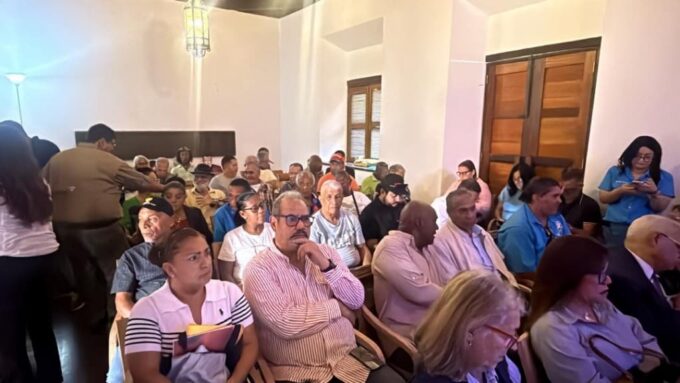
Vargas: Un Camino hacia la Reconstrucción Sostenible
Un análisis sobre el reciente acuerdo en Vargas para la reconstrucción post-sísmica,...
3 Mins read
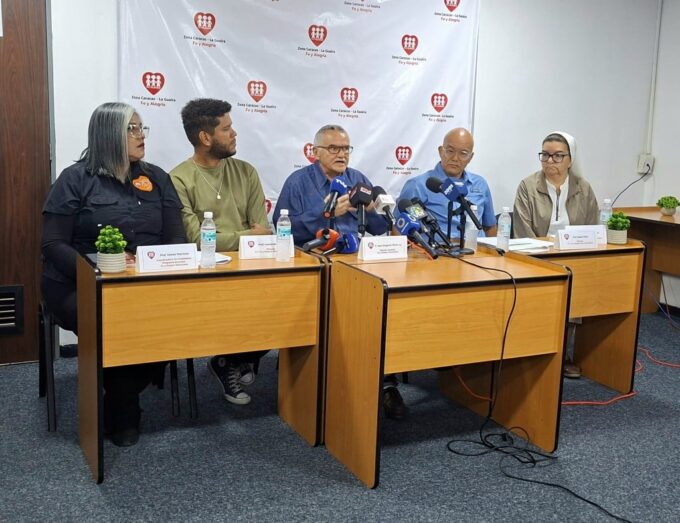
Resilience Amidst Ruin: The Aftermath of Caraballeda’s Earthquake
Exploring the heart-wrenching impact of the recent earthquake on the educational community...
 ABL2 Mins read
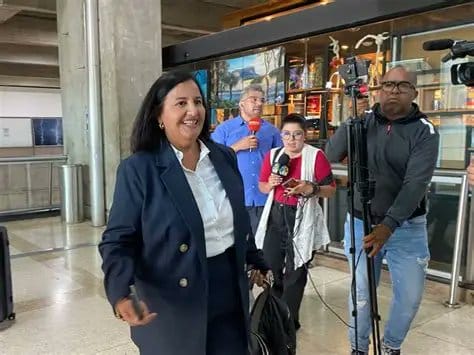


Navigating the Waters of Dialogue: Venezuela’s Political Landscape in Flux
As Venezuela's political factions prepare for a critical dialogue, the return of...
ABL3 Mins read

Leave a comment