
Opening of Detroit-Canada Bridge Delayed Amid Political Tensions
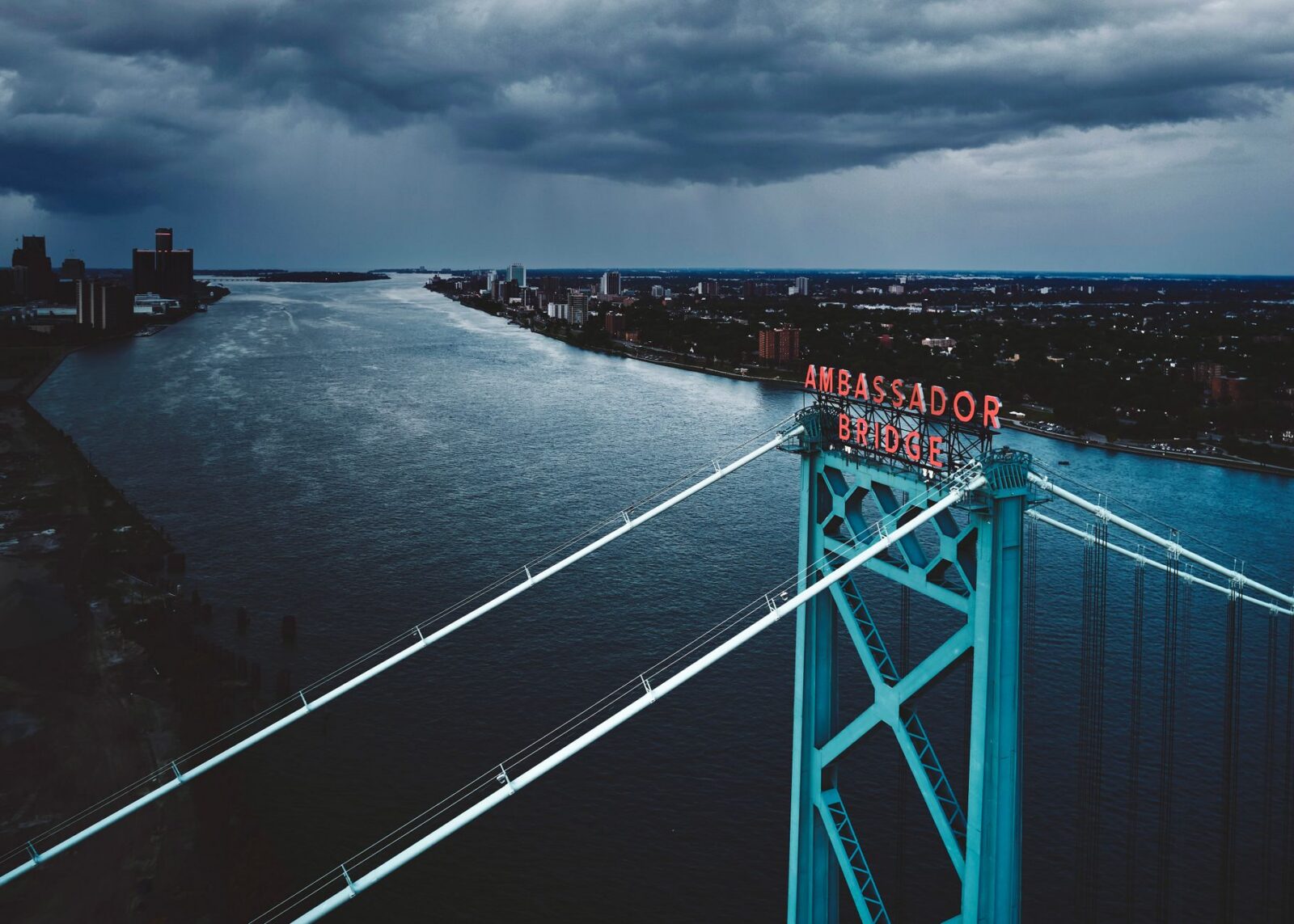
The highly anticipated opening of the new Detroit-Canada bridge, intended to bolster cross-border trade and connectivity, has been delayed, raising significant concerns among business leaders and policymakers. The bridge, which stands as a crucial infrastructure project for both nations, was initially slated to open this week but has encountered unforeseen regulatory hurdles.
Involved in this delay are not only the engineering teams responsible for the bridge’s construction but also various governmental bodies navigating the complex political landscape. Former President Donald Trump, known for his contentious stance on immigration and trade, had previously threatened to block the project, citing national sovereignty concerns. His influence continues to loom over US-Canada relations, creating an atmosphere of uncertainty that affects investors and businesses reliant on smooth trade routes.
This delay matters significantly in the current global context as both the US and Canada are striving to recover economically from the impacts of the COVID-19 pandemic. The bridge is expected to facilitate approximately $300 billion in annual trade between the two countries, making its timely opening critical for economic recovery efforts. Furthermore, the delay could exacerbate existing tensions in North American trade relations, particularly as both nations prepare for upcoming negotiations on trade agreements that could reshape the economic landscape.
Looking ahead, stakeholders are urging swift resolution to the regulatory issues that have stalled the bridge’s opening. Failure to do so may lead to increased friction between US and Canadian authorities, potentially prompting further political maneuvering as the nations seek to balance national interests with economic imperatives. The unfolding situation demands close attention as it could set a precedent for future infrastructure projects and international collaborations.








Hamas Dissolves Administrative Body in Gaza Strip
The dissolution of Hamas' administrative body signals potential shifts in governance and...
 1 Mins read
Ireland Enacts Legislation Prohibiting Goods from Israeli Settlements
Ireland's new law banning imports from Israeli settlements signals a significant shift...
1 Mins read

Egypt’s National Coach Calls for Global Solidarity with Palestinians Ahead of World Cup Match
The call for solidarity highlights the intersection of sports and global politics...
1 Mins read



Hamas Dissolves Governing Body, Leaving Gaza’s Future Uncertain
The dissolution of Hamas's governing body raises critical questions about Gaza's political...
1 Mins read
