
President’s Authority on Iranian Sanctions Remains Broad

On August 24, 2026, a report confirmed that the President of the United States retains extensive authority regarding the imposition and enforcement of sanctions against Iran. This ruling comes at a critical juncture as the U.S. navigates complex geopolitical dynamics in the Middle East, particularly concerning Iran’s nuclear ambitions and its regional influence.
The authority in question stems from existing legislation, notably the Iran Sanctions Act, which allows the President to implement sanctions unilaterally. This power is bolstered by ongoing concerns about Iran’s compliance with international nuclear agreements and its support for various militant groups. As tensions escalate, the implications of this authority are significant for both U.S. foreign policy and international economic relations.
The relevance of this issue is underscored by the current geopolitical climate, where Iran’s actions are closely monitored by global powers. With the U.S. facing pressures from allies to take a firmer stance on Iran, the President’s ability to act swiftly and decisively is increasingly critical. The international community watches closely, as any changes in sanctions could ripple through global markets and affect diplomatic negotiations.
Looking ahead, it is anticipated that the U.S. administration may leverage this authority to adjust sanctions in response to Iran’s actions, particularly as negotiations surrounding nuclear capabilities continue. Potential developments could include new sanctions or modifications to existing ones, contingent upon Iran’s compliance with international agreements. The situation remains fluid, and stakeholders across the globe are poised to respond to any shifts in U.S. policy.
Source: Legis1









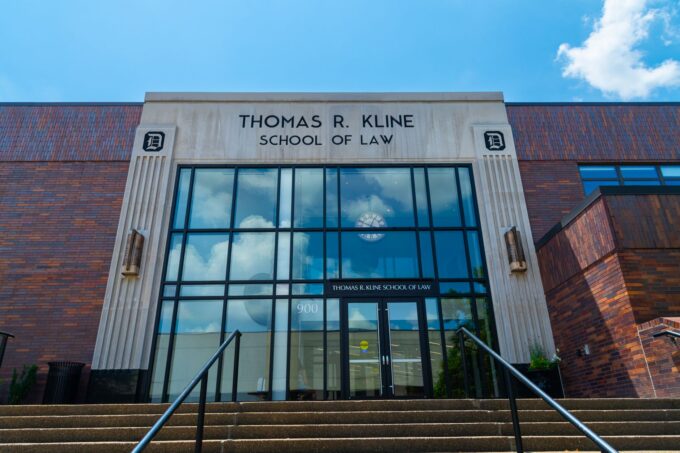
Clarence Thomas Challenges Perceptions of Black Conservatism in Recent Speech
Clarence Thomas's remarks challenge prevailing narratives about racial identity and political affiliation,...
 1 Mins read
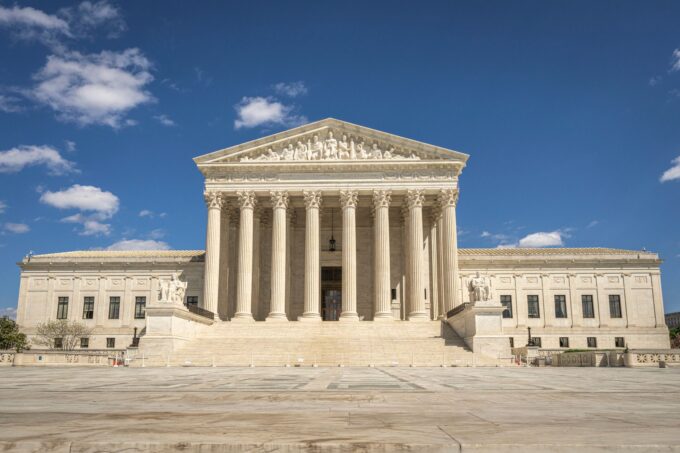
California Supreme Court Deliberates on Sheriff’s Ballot Seizure Case
The California Supreme Court's decision on ballot seizure could redefine electoral integrity...
1 Mins read
Senator Rob Kupec Engages with Minnesota Sugar Beet Growers at Arneson Farm
The meeting underscores the vital role of agriculture in the economy and...
1 Mins read



Darline Graham and Ralph Norman Conclude Intense South Carolina Senate Primary Campaign
The outcome of this primary could significantly influence the political landscape ahead...
1 Mins read

Leave a comment