
Puerto Rico Faces Record Electric Rates Amid Rising Demand and Costs
PUERTO RICO — October 1, 2026
Puerto Rico is currently grappling with record electric rates, which have surged to unprecedented levels due to a combination of rising demand and escalating costs. This development, reported by ABC News on October 1, 2026, highlights significant economic implications for the island, which has long struggled with energy challenges.
The current electric rates have reached a historic high, impacting both residential and commercial consumers. The increase in rates is attributed to a variety of factors, including heightened demand for electricity as the island continues to recover from the devastation of Hurricane Maria in 2017, which severely damaged its energy infrastructure. Additionally, the costs of fuel and maintenance for power generation have risen, further straining the already fragile energy system.
Key stakeholders in this situation include the Puerto Rico Electric Power Authority (PREPA), which is responsible for electricity generation and distribution on the island. The authority has faced criticism for its management practices and the slow pace of transitioning to renewable energy sources, which many argue is essential for long-term sustainability and cost reduction.
The trigger for this latest spike in electric rates appears to be a combination of seasonal demand increases and ongoing supply chain issues that have affected fuel procurement. As the island approaches the peak of its energy consumption season, the pressure on PREPA to meet demand has intensified, leading to higher operational costs that are ultimately passed on to consumers.
This situation is receiving heightened attention now due to its implications for the local economy and the broader discourse on energy sustainability. With electric rates soaring, many residents and businesses are facing financial strain, which could hinder economic recovery efforts in the wake of previous natural disasters. Furthermore, this development raises questions about the viability of Puerto Rico’s energy policies and the urgent need for reform.
Nationally, the situation in Puerto Rico serves as a case study in the challenges of energy transition and the importance of resilient infrastructure. As discussions around green innovation and sustainability gain momentum, the island’s struggles may influence policy debates and investment strategies across the United States.
Looking ahead, it is realistic to anticipate that PREPA will face increased scrutiny from both local and federal authorities regarding its operational practices and energy policies. There may be calls for immediate reforms to improve efficiency and reduce costs, as well as a push for accelerated investment in renewable energy projects. Additionally, consumer advocacy groups are likely to mobilize in response to the rising rates, demanding greater transparency and accountability from PREPA.
In summary, Puerto Rico’s record electric rates underscore the urgent need for comprehensive energy reform and highlight the broader implications for economic stability and sustainability on the island.

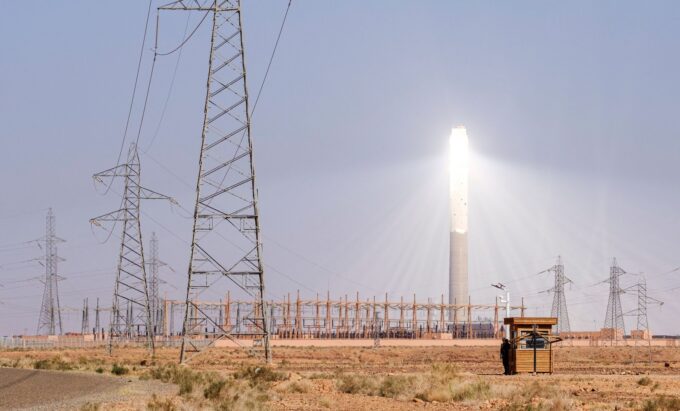
Morocco Energy Leaders and Clean Energy Business Council Forge Partnership to Enhance Clean Energy Investment
The newly announced partnership aims to significantly boost clean energy investment in...
 2 Mins read
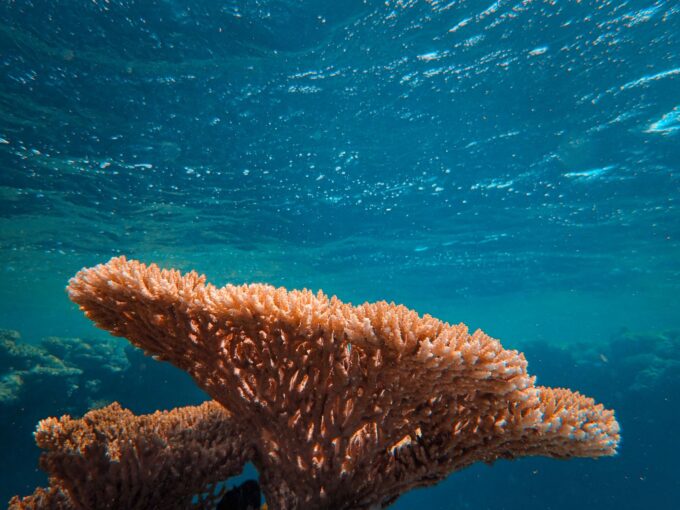
Underwater Umbrellas Show Promise in Combatting Coral Bleaching
Recent findings reveal the effectiveness of underwater umbrellas in reducing coral bleaching,...
1 Mins read
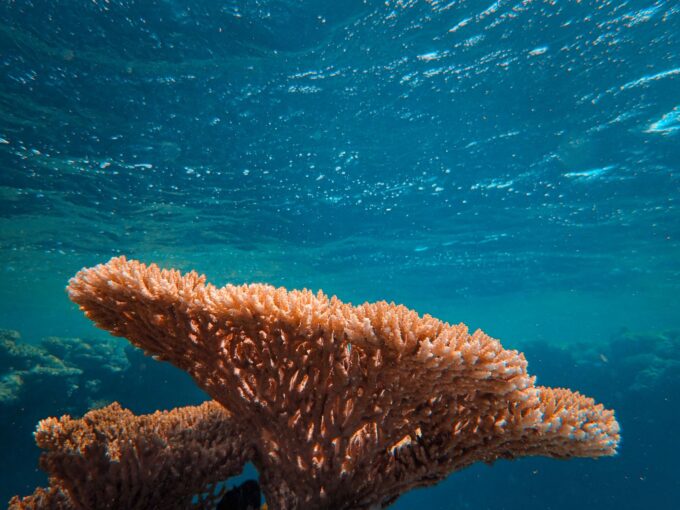
Innovative Underwater Umbrellas Developed to Shield Coral Reefs from Heat Damage
Scientists have unveiled a groundbreaking solution to protect coral reefs from the...
1 Mins read
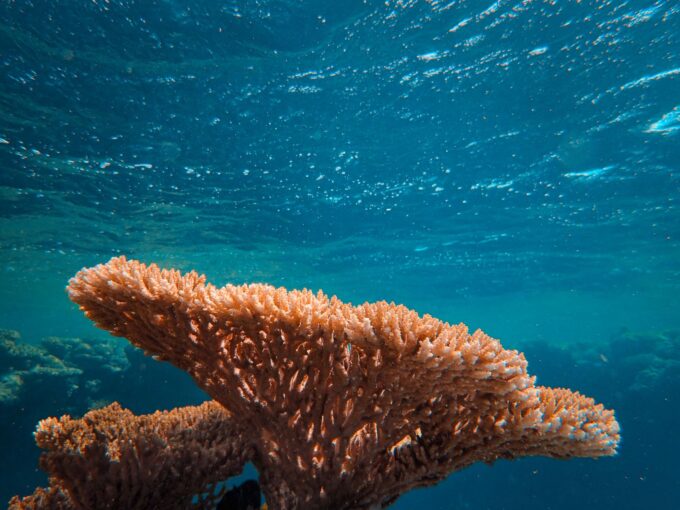


Innovative Underwater Umbrellas: A New Approach to Coral Reef Protection
Recent research reveals underwater umbrellas could shield coral reefs from heat damage,...
1 Mins read

Leave a comment