
Reconstructing a Nation: Lessons from History for Venezuela’s Future
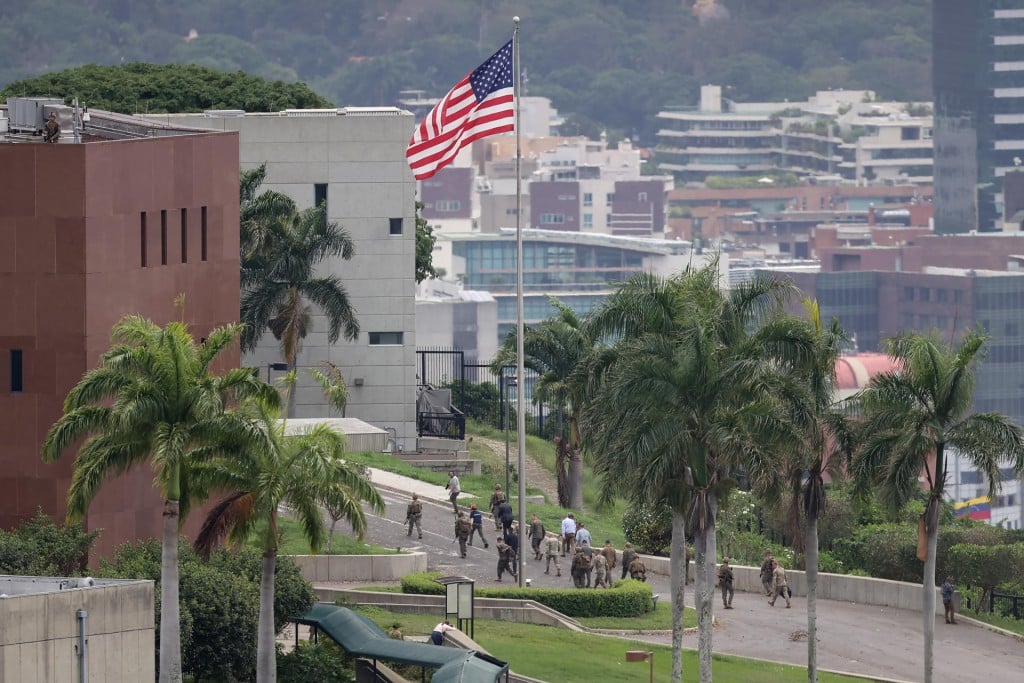
A Historical Perspective
In the aftermath of World War II, Germany faced the monumental task of rebuilding a society that had been shattered. The lessons from that era offer invaluable insights for Venezuela, a nation currently grappling with its own profound crises. The German experience was not merely about changing leadership or holding elections; rather, it involved a comprehensive and systemic recovery across various dimensions: political, economic, institutional, and social.
Beyond Political Crisis
Venezuela’s challenges extend beyond a mere political crisis. Over the past three decades, the fabric of the state has deteriorated significantly. The collapse of the productive apparatus, the disintegration of the educational system, and the emigration of millions have left a vacuum of professional and civic capabilities. Furthermore, ethical and political norms that foster deliberation and cooperation have been severely undermined. We are not merely facing a governmental issue; what we encounter is a civilizational crisis that requires a deeper understanding and approach.
Understanding Transition
A transitional phase is not simply a transfer of power or the orchestration of elections that declare a return to democracy. The complexity of rebuilding a nation necessitates a careful inquiry into the types of capacities that need to be restored. To forge a path toward effective governance, production, learning, and cooperation, we must first recognize what has been lost. Elections are a component of this process but cannot serve as a standalone solution.
The Role of Diverse Actors
In considering the reconstruction of Venezuela, it’s crucial to identify all relevant stakeholders. While both government and opposition play vital roles, they cannot single-handedly represent the entirety of what needs to be rebuilt. Where are the voices of local and regional representatives, community organizations, the vast diaspora, laborers, educational institutions, business leaders, and professionals? A comprehensive solution must transcend mere negotiations about power distribution; it requires a collaborative effort from a diverse array of societal actors.
The Urgency of Time
Venezuela has lost nearly three decades, yet this loss is not merely a function of time but also a divergence from global progress. During this period, the world has witnessed significant advancements in economics, energy, science, technology, and geopolitical dynamics. The emergence of artificial intelligence and other transformative forces has created a landscape that Venezuela must now navigate while dealing with its past. The nation faces a daunting paradox: as it engages in dialogue, it must also strive to catch up with a world that is evolving at an unprecedented pace.
Envisioning a New Future
The critical question for Venezuela is not simply about who will govern or when elections will occur. The more pressing inquiry is whether a mere transfer of power can catalyze the creation of a new nation. Venezuela can change its leadership without embarking on a genuine transition toward recovery. As discussions about political power unfold, the world will continue to move forward, leaving behind those who fail to adapt.
In conclusion, Venezuela’s path forward must not be a quest to reclaim a lost past but rather an ambitious endeavor to build a future capable of integrating into a rapidly changing global environment. Only by addressing the systemic nature of its crisis and involving a broad spectrum of societal actors can Venezuela hope to redefine its identity and role in the world.
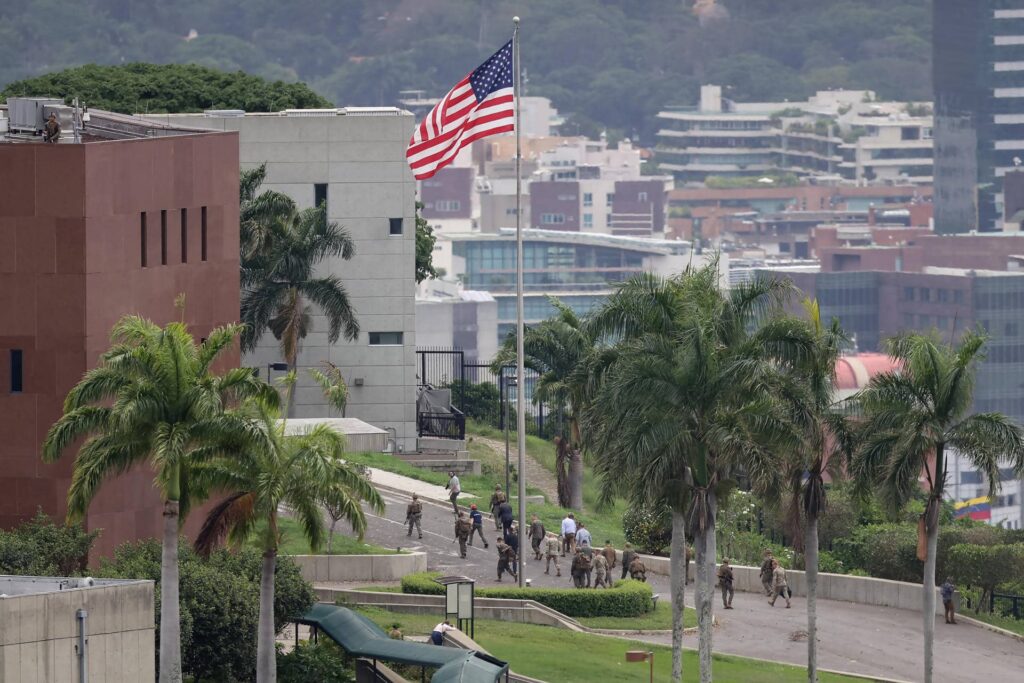
Editorial note: This article was created by A Bit Lavish Miami’s Magazine as an original editorial reinterpretation based on publicly available reporting. Original source: efectococuyo.com. Read the original article here: https://efectococuyo.com/opinion/como-perder-el-futuro/.
Images are used for editorial reference with source credit. If an image requires correction or removal, please contact A Bit Lavish.








Shooting of Venezuelan DoorDash Driver by ICE Agent in Austin Sparks Protests
The shooting of a Venezuelan DoorDash driver by an ICE agent in...
 2 Mins read
Shooting of Venezuelan Man by ICE Officer in Austin Raises Public Safety Concerns
The shooting incident involving a Venezuelan man by an ICE officer in...
1 Mins read
Venezuela Extradites 18 Suspects in Assassination of Haiti’s President to the U.S.
The extradition of suspects in the assassination of Haiti's president marks a...
2 Mins read


Human Rights Watch Calls on Venezuela to Uphold Basic Rights and Release Political Prisoners
The international human rights organization urges the Venezuelan government to protect fundamental...
2 Mins read
