
Resilience in Stone: The Enduring Legacy of Kumamoto Castle Amidst Natural Calamity
 ABLUpdated 6 days Ago3 Mins read29
A Testament to Time
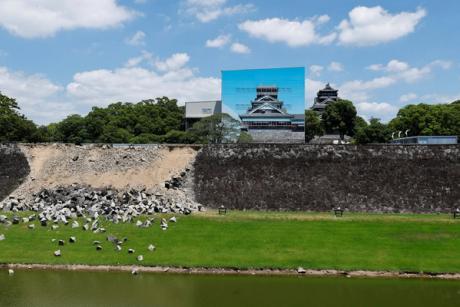
In the heart of Kumamoto Prefecture, Japan, stands the majestic Kumamoto Castle, a symbol of resilience and cultural heritage that has withstood the test of time for over four centuries. This architectural marvel, renowned for its imposing stone walls and intricate wooden structures, recently faced a formidable challenge as a 7.1 magnitude earthquake rattled the region, causing significant damage to this historical edifice and other cultural sites nearby.
The Shaking of History
The tremors of the recent earthquake were felt far and wide, disrupting not just the physical landscape but also the cultural fabric of Kumamoto. As reports emerge of damages sustained by more than a dozen cultural sites within the prefecture, the incident serves as a stark reminder of nature’s unpredictable power and its capacity to reshape our most cherished landmarks.
Preserving Cultural Heritage
Kumamoto Castle, with its elegant architecture and storied past, is more than just a physical structure; it is a repository of history, embodying the samurai spirit and the artistic achievements of its time. The castle’s walls, painstakingly constructed from local stone, have borne witness to centuries of Japanese history, from feudal conflicts to the profound transformations of the Edo period.
The recent seismic event has prompted urgent discussions regarding the preservation of such invaluable cultural assets. Experts emphasize the necessity of adopting modern techniques for seismic retrofitting while respecting the original design and craftsmanship that define these historic structures. This delicate balance is crucial for ensuring that future generations can experience the grandeur of Kumamoto Castle.
Artistic Reflections and Collective Memory
In the aftermath of the earthquake, the psychological impact on the local community cannot be overstated. Cultural landmarks like Kumamoto Castle are often intertwined with the identities of their residents. They evoke a sense of pride and continuity, embodying shared memories and collective experiences. As residents and visitors alike process the event, there is an urgent need to reaffirm the cultural significance of these sites.
Artists and curators in the region are now called to contribute to the narrative of resilience through their work. By capturing the castle’s beauty and the spirit of Kumamoto, they can help foster a sense of hope and recovery. The artistic community plays a vital role in the healing process, allowing individuals to process their emotions and reconnect with their heritage.
A Broader Cultural Landscape
The earthquake’s impact extends beyond Kumamoto Castle itself, resonating throughout the cultural landscape of Japan. It serves as a poignant reminder of the fragility of cultural heritage in the face of natural disasters. As the nation reflects on its historical sites, there are growing calls for a more robust framework for protection and restoration, ensuring these treasures endure for future generations.
In Miami, a city rich with its own cultural heritage, the lessons learned from Kumamoto resonate profoundly. As collectors and enthusiasts gather to celebrate art and culture, the importance of preserving local history and architecture becomes ever more pertinent. The awareness of global interconnectedness invites Miami’s art community to support initiatives that safeguard cultural landmarks, fostering a spirit of collaboration across borders.
The Path Forward
As restoration efforts begin, the journey of Kumamoto Castle reflects a broader narrative of resilience and renewal. It reminds us that while nature may disrupt, it cannot erase the legacy of human ingenuity and spirit. The castle’s restoration will not only require skilled craftsmanship but also a deep understanding of its historical context, ensuring that every stone laid is a testament to the past and a promise for the future.
In conclusion, the recent earthquake serves as a catalyst for dialogue about the importance of cultural preservation. It challenges us to consider how we can protect our shared heritage while embracing modernity. As we look to the future, may the story of Kumamoto Castle inspire us to cherish and safeguard our cultural treasures, recognizing their role in shaping our identities and enriching our lives.
Editorial note: This article was created by A Bit Lavish Miami’s Magazine as an original editorial reinterpretation based on publicly available reporting. Original source: theartnewspaper.com. Read the original article here: https://www.theartnewspaper.com/2026/07/31/japans-400-year-old-kumamoto-castle-damaged-by-71-magnitude-earthquake.
Images are used for editorial reference with source credit. If an image requires correction or removal, please contact A Bit Lavish.










Echoes of History: The Loss of a 300-Year-Old Cossack Church in Ukraine
Exploring the cultural significance and tragic loss of the Holy Presentation Church,...
 2 Mins read

A New Chapter: Tim Reeve Takes the Helm at English Heritage
Tim Reeve, former deputy director of the V&A, embarks on a significant...
2 Mins read

A Cultural Exchange: Islamic Art Treasures from the Louvre to Enrich Washington’s Museum Scene
Explore the significance of the Louvre's upcoming loan of Islamic art to...
2 Mins read



Art Under Siege: The Struggle of Activism in Indian Contemporary Art
Exploring the intersection of art, activism, and the implications of dissent in...
3 Mins read

Leave a comment