
A Tremor in the Night
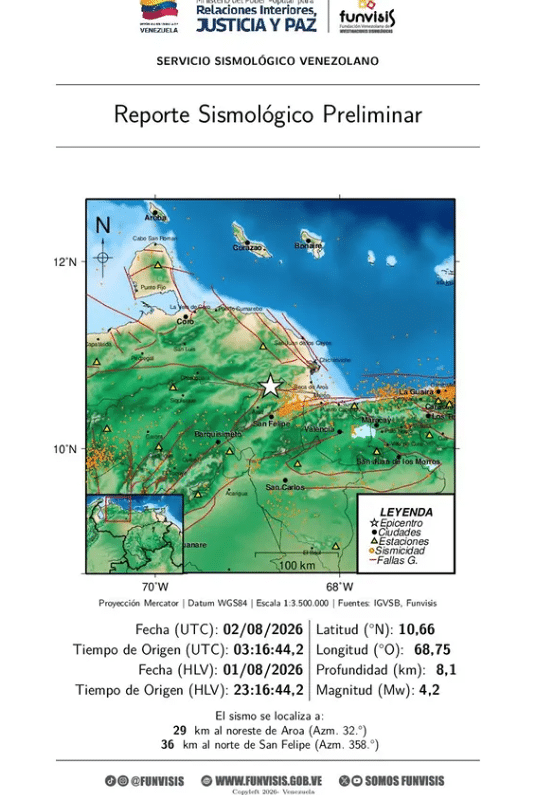
In the early hours of August 1, 2026, Venezuela experienced a notable seismic event, registering a magnitude of 4.2 according to local authorities. The tremor was felt across several states in the central-western region, stirring anxiety among residents still recovering from the devastating effects of a prior earthquake.
The epicenter was located approximately 36 kilometers north of San Felipe and 29 kilometers northeast of Boca de Aroa, an area that had already been shaken just weeks before by a more powerful quake measuring 7.2 on the Richter scale.
Seismological Insights
The Venezuelan Seismological Service (Funvisis) was quick to report this occurrence, although it remains unclear whether this tremor was an independent event or a mere aftershock of the previous earthquake. Interestingly, the United States Geological Survey (USGS) recorded the earthquake with slightly varying magnitudes, initially reporting it between 4.5 and 4.7, later adjusting the figure to 4.9. Such discrepancies are not uncommon in the field of seismology, where minute differences in measurement can lead to different interpretations of an event’s severity.

The Ripple Effect
This latest tremor is being viewed by some experts as one of the strongest aftershocks following the catastrophic earthquake of June 24, which tragically claimed over 5,000 lives and left more than 16,000 injured across northern Venezuela. The humanitarian crisis that has ensued from that disaster is still palpable, with many families grappling with loss and uncertainty.
Despite the intensity of the recent tremor, initial reports indicate that there were no casualties or substantial property damage, a small comfort in the wake of such ongoing turmoil. Nevertheless, the psychological impacts of living in a seismically active region can be profound, as communities remain on edge, constantly anticipating the next shake.
Living on the Edge
For residents of Venezuela, particularly those in vulnerable areas like Yaracuy, the reality of seismic activity is a part of daily life. The country’s geographical positioning within the Caribbean tectonic plate makes it prone to earthquakes, leading to a complex relationship between the land and its people. Each tremor serves as a reminder of nature’s power and unpredictability, fostering a culture of resilience among communities.
In urban centers such as Caracas and Valencia, the recent quake sparked a wave of social media activity, with locals sharing their experiences and concerns online. The hashtag #Temblor quickly gained traction, as citizens used platforms like Twitter and Instagram to communicate real-time updates and safety tips, illustrating how technology can provide a lifeline in moments of crisis.

Implications for Policy and Preparedness
The recurring nature of these seismic events calls for a robust response from both local and national governments. Experts advocate for improved disaster preparedness plans, enhanced infrastructure resilience, and community education programs focused on emergency response. As the nation continues to recover from past calamities, proactive measures will be vital in protecting lives and minimizing damage in the face of future earthquakes.
A Global Perspective from Miami
The implications of Venezuela’s seismic activity extend beyond its borders, resonating with global discussions on disaster preparedness and climate resilience. Miami, with its own exposure to natural disasters, can draw parallels from Venezuela’s experiences. The importance of community readiness and infrastructure resilience is a lesson that holds value for urban planners and policymakers alike. As both cities face the realities of their environments, collaboration and knowledge sharing could pave the way for better preparedness against the unpredictable forces of nature.
Editorial note: This article was created by A Bit Lavish Miami’s Magazine as an original editorial reinterpretation based on publicly available reporting. Original source: efectococuyo.com. Read the original article here: https://efectococuyo.com/la-humanidad/temblor-de-4-2-se-sintio-en-el-centroccidente-de-venezuela/.
Images are used for editorial reference with source credit. If an image requires correction or removal, please contact A Bit Lavish.





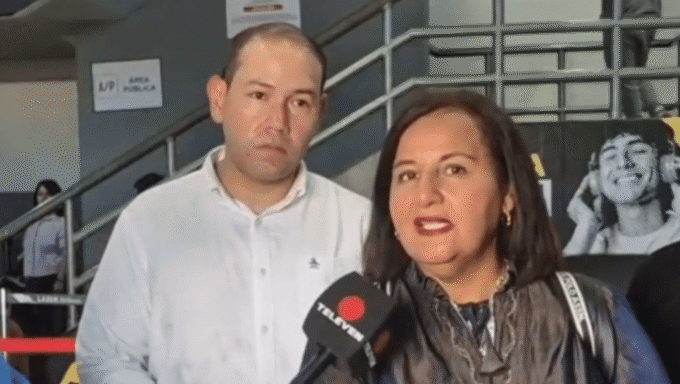
Dinorah Figuera: A Vision for Venezuela’s Institutional Renaissance
Dinorah Figuera returns to Venezuela with a commitment to reinstitutionalization, aiming to...
 2 Mins read
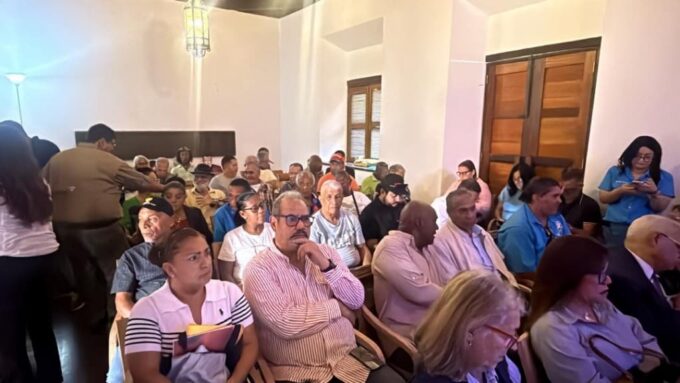
Vargas: Un Camino hacia la Reconstrucción Sostenible
Un análisis sobre el reciente acuerdo en Vargas para la reconstrucción post-sísmica,...
3 Mins read
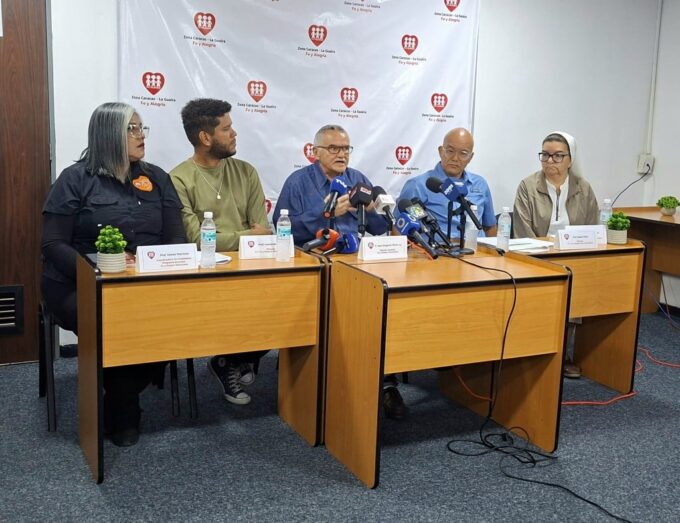
Resilience Amidst Ruin: The Aftermath of Caraballeda’s Earthquake
Exploring the heart-wrenching impact of the recent earthquake on the educational community...
 ABL2 Mins read
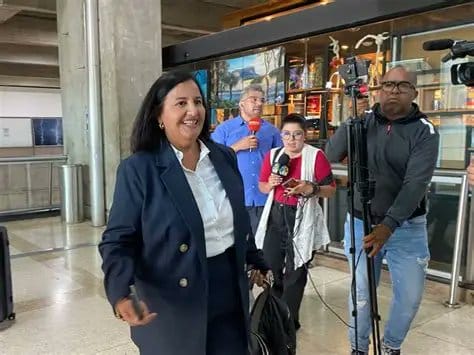


Navigating the Waters of Dialogue: Venezuela’s Political Landscape in Flux
As Venezuela's political factions prepare for a critical dialogue, the return of...
ABL3 Mins read

Leave a comment