
Supreme Court Allows Construction of Trump’s White House Ballroom to Continue
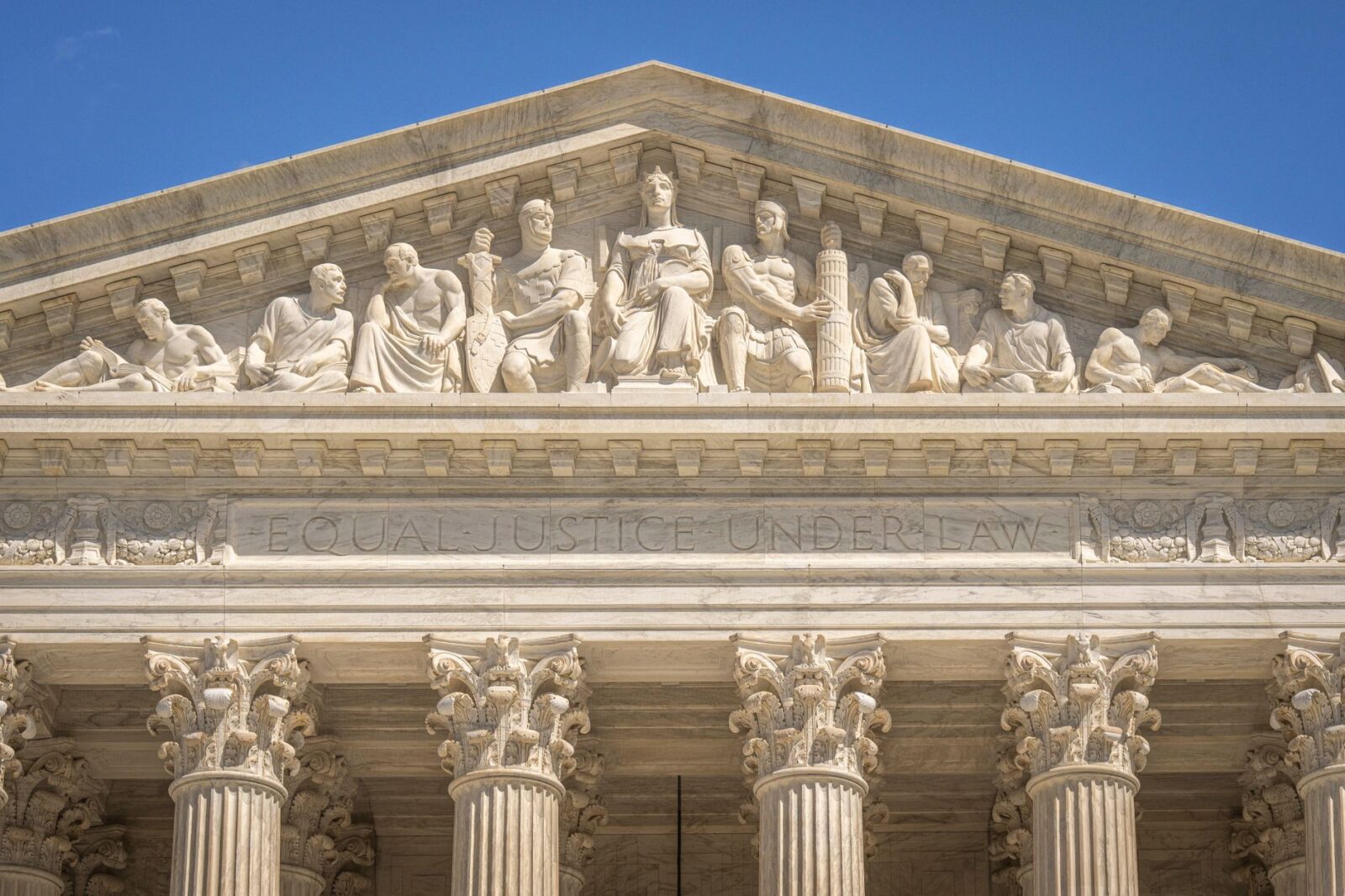
On September 1, 2026, the United States Supreme Court ruled in favor of allowing the continuation of construction for a new ballroom at the White House, a project initiated under the Trump administration. This decision follows a series of legal challenges that questioned the project’s compliance with federal funding regulations and environmental assessments. The ruling, which concluded a contentious legal battle, has significant implications for public architecture and the politicization of federal projects.
The case was brought forth by a coalition of environmental groups and local residents who argued that the construction posed environmental risks and ignored necessary public consultation processes. However, the Supreme Court, in a 6-3 decision, determined that the project met all legal requirements and upheld the government’s right to proceed. This ruling reinstates former President Donald Trump’s vision for the White House, a vision that has been both celebrated and criticized since its inception.
This development matters now as it highlights ongoing tensions regarding the intersection of politics and public infrastructure. The decision may embolden future administrations to undertake similar projects without fear of extensive legal repercussions, thereby altering the landscape of federal construction. Furthermore, it raises questions about transparency and accountability in government-funded initiatives.
Looking ahead, the administration is expected to expedite the construction process, potentially unveiling the completed ballroom by early 2027. However, the ruling may also provoke further opposition from activist groups, who might seek alternative legal avenues to challenge the project. This case underscores the broader national discourse on the role of architecture in embodying political legacies, and it remains to be seen how this will influence future public projects.
Source: MundoNOW








West Virginia Justice Wooten Treated for Dehydration, Released from Hospital
Justice Wooten's health incident raises concerns about judicial wellness and institutional support...
 1 Mins read

Indiana Court Issues Temporary Halt on Senate Primary Ballots Amid Recount Decision
A court's decision to pause Indiana Senate primary ballots highlights the ongoing...
1 Mins read
Iowa PBS Schedules U.S. Senate Debate Between Hinson and Turek for October 7
The upcoming debate highlights critical issues in Iowa's political landscape as the...
1 Mins read



Trump Critiques Own Endorsement in Texas Senate Race
Trump's recent remarks on his Senate pick underscore the unpredictable dynamics of...
1 Mins read

Leave a comment