
Taxpayer Funding for Trump’s White House Ballroom Project Raises Global Concerns

The Washington Post reported on June 16, 2026, that approximately 50% of the funding for former President Donald Trump’s proposed White House ballroom renovation is expected to come from taxpayer money. This revelation has sparked significant debate regarding the appropriateness of utilizing public funds for a project associated with a private individual, particularly one who has been a polarizing figure in American politics.
Involved in this endeavor is the Trump Organization, which aims to expand and enhance the existing ballroom used for official state functions. The project’s estimated cost has not been disclosed in full, but the reliance on public funding raises questions about transparency and accountability in government spending. The decision to allocate taxpayer dollars to this project could set a concerning precedent for future administrations, potentially allowing for further privatization of public spaces.
This matter is particularly relevant now as it intertwines with broader discussions on fiscal responsibility and the ethical implications of government expenditures. As citizens grapple with economic challenges post-pandemic, the prospect of using taxpayer funds for luxury renovations is likely to provoke backlash, potentially influencing public opinion and voter sentiment ahead of upcoming elections.
Looking ahead, if the project proceeds as planned, it may lead to increased scrutiny of government spending practices and calls for stricter regulations on the use of public funds in private ventures. This could ignite a larger conversation about the role of government in funding projects that benefit individual leaders or their associates, which may impact future policy decisions and the political landscape in the United States.
Source: Social News XYZ










Gaza Students Resort to Writing on Aid Boxes Amid Severe Paper Shortages
The ongoing paper shortages in Gaza highlight the humanitarian crisis affecting education...
 1 Mins read

China’s UN Envoy Urges Israel to Adhere to Gaza Ceasefire Amid Escalating Tensions
China's call for Israel to uphold the Gaza ceasefire highlights the urgent...
1 Mins read
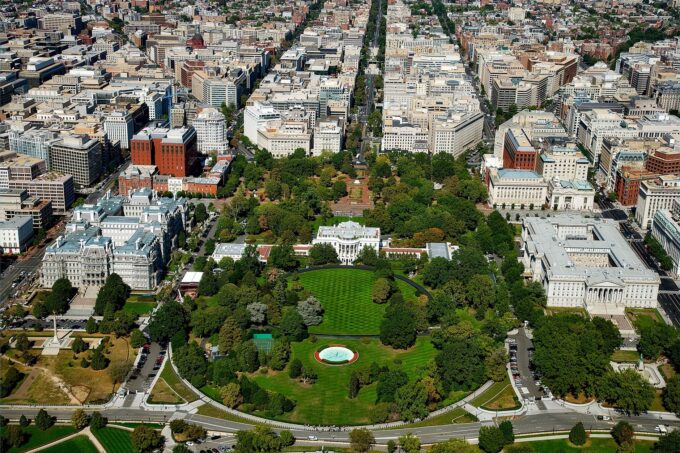
White House Highlights Delayed Obama Presidential Center to Elevate Trump’s Legacy as ‘Builder-in-Chief’
The delayed inauguration of the Obama Presidential Center underscores the contrasting legacies...
1 Mins read


Trump’s Executive Power Ambitions Emerge in New Book
The global implications of Trump's increasing push for executive power resonate amid...
1 Mins read

Leave a comment