
Trump Challenges Netanyahu Amid Iran Deal Negotiations
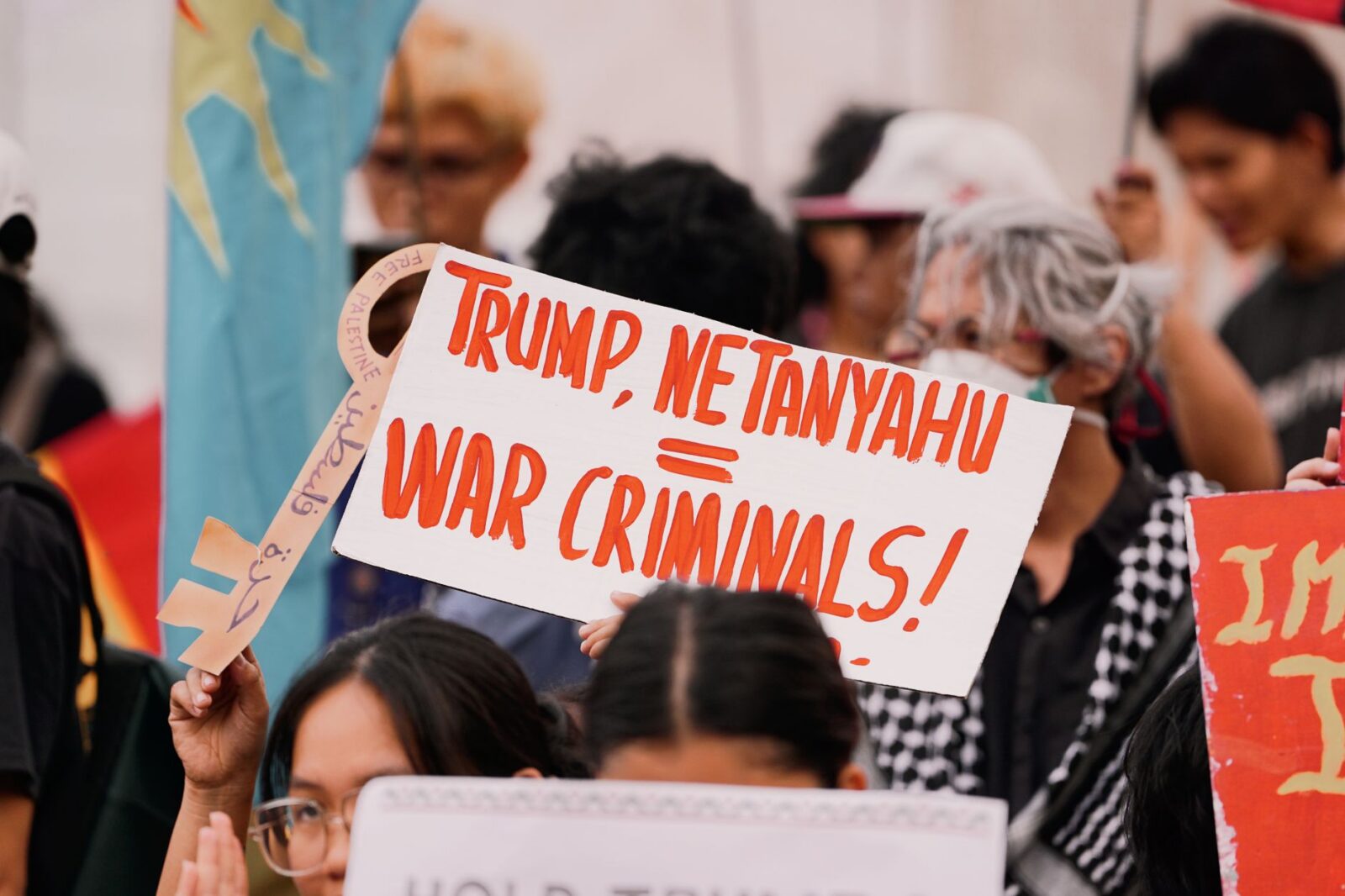
In a significant development on June 16, 2026, former U.S. President Donald Trump publicly criticized Israeli Prime Minister Benjamin Netanyahu as Trump pursues a potential diplomatic deal with Iran. This shift in Trump’s rhetoric marks a notable departure from his previous staunch support for Netanyahu, highlighting the complexities of U.S.-Israel relations in the current geopolitical climate.
The backdrop of this tension is the ongoing negotiations between the United States and Iran aimed at curbing Iran’s nuclear ambitions. Trump’s engagement in these talks has raised eyebrows, particularly given Iran’s contentious history with both the U.S. and Israel. By openly challenging Netanyahu, Trump is not only testing their long-standing friendship but also signaling a willingness to reconsider U.S. foreign policy in the Middle East, a region fraught with instability and conflict.
This situation is critical as it underscores the fragility of alliances that have historically shaped the geopolitical landscape. Netanyahu’s government has relied heavily on U.S. support, particularly under Trump’s previous administration, which recognized Jerusalem as Israel’s capital and withdrew from the Iran nuclear deal. Now, as Trump seeks to re-engage with Iran, it raises questions about the future of U.S. support for Israel and how this may embolden adversaries in the region.
The implications of this rift could be profound. Should Trump succeed in negotiating a deal with Iran, it may lead to a recalibration of power dynamics in the Middle East, potentially alienating Israel and altering the strategic calculations of other nations. Conversely, if Netanyahu’s administration perceives this as a betrayal, it could lead to a deterioration of U.S.-Israel relations, further complicating an already volatile geopolitical landscape. As the situation evolves, the world watches closely, understanding that the outcomes will resonate far beyond the immediate parties involved.
Source: The Washington Post










Gaza Students Resort to Writing on Aid Boxes Amid Severe Paper Shortages
The ongoing paper shortages in Gaza highlight the humanitarian crisis affecting education...
 1 Mins read

China’s UN Envoy Urges Israel to Adhere to Gaza Ceasefire Amid Escalating Tensions
China's call for Israel to uphold the Gaza ceasefire highlights the urgent...
1 Mins read
White House Highlights Delayed Obama Presidential Center to Elevate Trump’s Legacy as ‘Builder-in-Chief’
The delayed inauguration of the Obama Presidential Center underscores the contrasting legacies...
1 Mins read


Trump’s Executive Power Ambitions Emerge in New Book
The global implications of Trump's increasing push for executive power resonate amid...
1 Mins read

Leave a comment