

An Intriguing Shift in Venezuelan Politics
As Venezuela stands on the precipice of a new political chapter, the absence of María Corina Machado looms large. The ruling Chavismo and a segment of the opposition, under the auspices of the United States, are preparing for fresh dialogue aimed at addressing the nation’s transition leading up to the anticipated presidential elections. This process represents another milestone in a long history of negotiations, with hopes pinned on reforming the electoral landscape in Venezuela.
Emergence of Dinorah Figuera
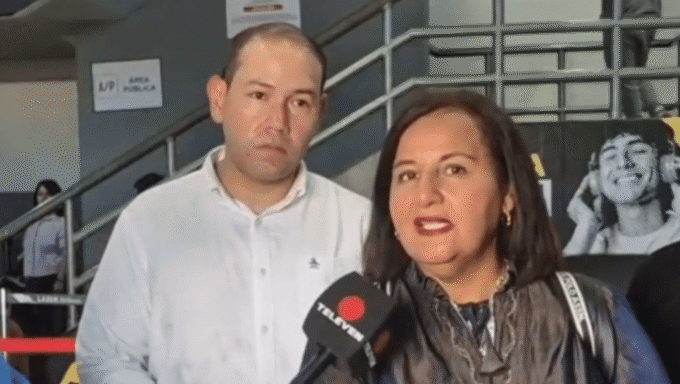
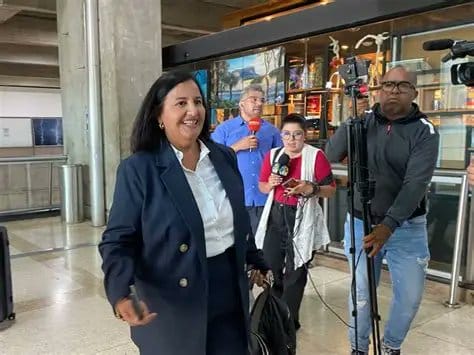
Dinorah Figuera’s return to Venezuela after eight years in exile marks a significant turn in the political narrative. Arriving back on June 18, she was invited by the U.S. State Department to engage in discussions centered on Venezuela’s future. In a recent meeting with Jorge Rodríguez, the head of the current parliamentary body, they established a “parity political table” with a focus on strengthening democracy and peace while paving the way for future governance.
The Players in the Dialogue
While the specific members of the negotiating delegations remain undisclosed, it is anticipated that Figuera will be joined by notable figures from the 2015 elected Parliament, including Jorge Millán and Marco Aurelio Quiñones. On the Chavista side, Jorge Rodríguez is set to lead the discussions. This dynamic raises questions about the influence and future role of Machado, who had previously expressed her desire to spearhead negotiations with the government.

Machado’s Position and Influence
Despite her absence from the current dialogue, María Corina Machado’s significance in this political landscape cannot be overlooked. Following Figuera’s return, Machado acknowledged their differences but emphasized the importance of including all democratic sectors in the forthcoming discussions. U.S. Secretary of State Marco Rubio has also alluded to Machado’s possible role in the reconciliation process, suggesting that her leadership could still play a pivotal part in shaping Venezuela’s future.
Goals of the Dialogue
The agenda set forth by the U.S. and participating Venezuelan factions includes critical priorities such as rebuilding democratic institutions, enhancing the National Electoral Council, and restoring civil liberties necessary for an open political debate. Machado, alongside her chosen candidate, Edmundo González Urrutia, has articulated expectations for a timely electoral schedule, emphasizing the necessity for measurable outcomes, including institutional recovery and the release of political prisoners.
Support and Skepticism
The dialogue has garnered backing from notable opposition parties like Primero Justicia and Voluntad Popular, both members of the Unitary Democratic Platform (PUD). However, skepticism persists within the PUD, particularly from factions such as Acción Democrática, which has criticized Figuera’s appointment as the leader of this initiative. Observers are keenly watching how these negotiations unfold, especially given Venezuela’s tumultuous history with previous dialogues under Nicolás Maduro’s administration, which often ended in disappointment over unfulfilled agreements.
A Historical Context of Dialogue
Venezuela has witnessed numerous dialogue attempts over the years, with international mediation from various countries and organizations, including Norway and the Catholic Church. Yet, the opposition consistently reported breaches of agreements by the government. The most recent dialogue took place in October 2023 in Barbados, laying groundwork for the 2024 presidential elections but notably excluding Machado from key discussions. This history of negotiation failures adds a layer of complexity to the current political climate.
As the parties prepare for this latest round of dialogue, the political landscape in Venezuela remains uncertain. The absence of a prominent leader like María Corina Machado raises questions about the effectiveness and inclusivity of the negotiations. Nevertheless, with the stakes higher than ever, the eyes of the world are once again turned to Venezuela, hoping for a shift towards a more democratic future.
Editorial note: This article was created by A Bit Lavish Miami’s Magazine as an original editorial reinterpretation based on publicly available reporting. Original source: efectococuyo.com. Read the original article here: https://efectococuyo.com/politica/chavismo-y-oposicion-se-preparan-para-un-nuevo-dialogo-sin-maria-corina-machado/.
Images are used for editorial reference with source credit. If an image requires correction or removal, please contact A Bit Lavish.







Dinorah Figuera: A Vision for Venezuela’s Institutional Renaissance
Dinorah Figuera returns to Venezuela with a commitment to reinstitutionalization, aiming to...
 2 Mins read
Vargas: Un Camino hacia la Reconstrucción Sostenible
Un análisis sobre el reciente acuerdo en Vargas para la reconstrucción post-sísmica,...
3 Mins read
Resilience Amidst Ruin: The Aftermath of Caraballeda’s Earthquake
Exploring the heart-wrenching impact of the recent earthquake on the educational community...
 ABL2 Mins read


Navigating the Waters of Dialogue: Venezuela’s Political Landscape in Flux
As Venezuela's political factions prepare for a critical dialogue, the return of...
ABL3 Mins read

Leave a comment