
Trump Announces 50% Tariffs on Canadian Cars and Steel, Escalating Trade Tensions
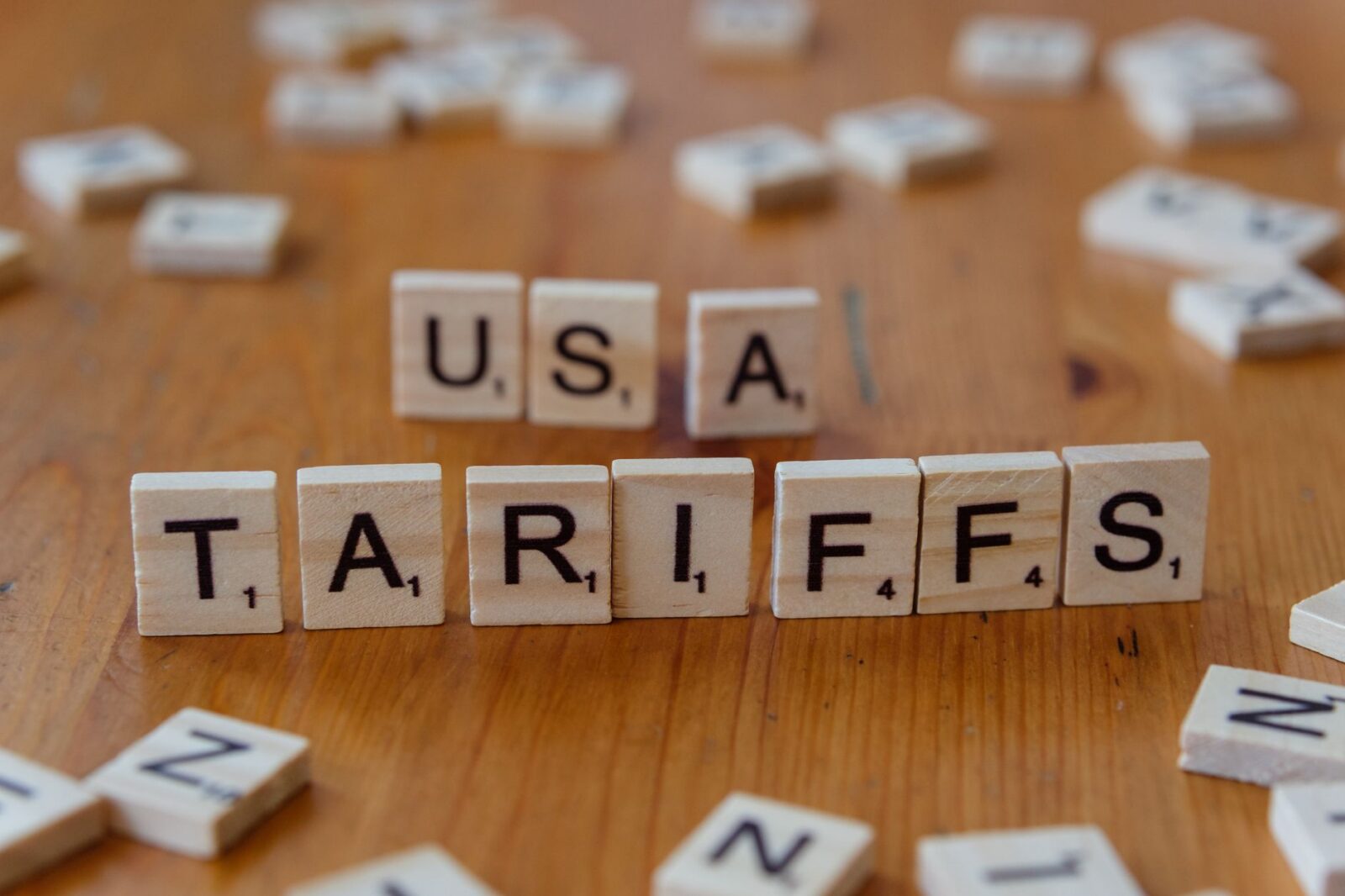
In a significant escalation of trade tensions, former President Donald Trump announced on August 24, 2026, that he plans to impose a staggering 50% tariff on Canadian cars and steel starting in January 2027. This decision, which has immediate ramifications for U.S.-Canada relations, is seen as a continuation of Trump’s confrontational trade policies that originally aimed to protect American manufacturing jobs.
The announcement was made during a press conference in Miami, where Trump emphasized the need to safeguard U.S. industries from what he termed unfair competition. The tariffs are expected to affect a wide array of products, potentially raising prices for consumers and impacting the automotive and steel industries on both sides of the border. Major Canadian manufacturers, including Ford Canada and Stelco, have expressed concerns about the potential fallout, highlighting the interconnected nature of supply chains across North America.
This development comes at a time when both nations are attempting to stabilize their economies following the disruptions caused by the COVID-19 pandemic. The tariffs are anticipated to draw sharp criticism from Canadian officials and could lead to retaliatory measures, further straining diplomatic ties. The Canadian government has not yet officially responded, but previous encounters have shown a willingness to negotiate rather than escalate conflicts.
The implications of this tariff announcement extend beyond immediate economic impacts; they could reshape the landscape of international trade agreements and alliances. As global markets react, investors will be watching closely to gauge the potential for further escalations. Analysts suggest that if implemented, these tariffs may provoke a broader trade war reminiscent of the tensions seen during Trump’s presidency, raising questions about the future of the United States-Mexico-Canada Agreement (USMCA).









Clarence Thomas Challenges Perceptions of Black Conservatism in Recent Speech
Clarence Thomas's remarks challenge prevailing narratives about racial identity and political affiliation,...
 1 Mins read
California Supreme Court Deliberates on Sheriff’s Ballot Seizure Case
The California Supreme Court's decision on ballot seizure could redefine electoral integrity...
1 Mins read

Senator Rob Kupec Engages with Minnesota Sugar Beet Growers at Arneson Farm
The meeting underscores the vital role of agriculture in the economy and...
1 Mins read



Darline Graham and Ralph Norman Conclude Intense South Carolina Senate Primary Campaign
The outcome of this primary could significantly influence the political landscape ahead...
1 Mins read

Leave a comment