
Trump Announces Ban on Journalists from White House, Raising Press Freedom Concerns
MIAMI — September 20, 2026
In a controversial move that has sent shockwaves through the media landscape, former President Donald Trump announced on September 20, 2026, a ban on journalists from several prominent media outlets, including CNN, MS NOW, and Politico, from accessing the White House. This development raises critical questions about press freedom and the transparency of government operations.
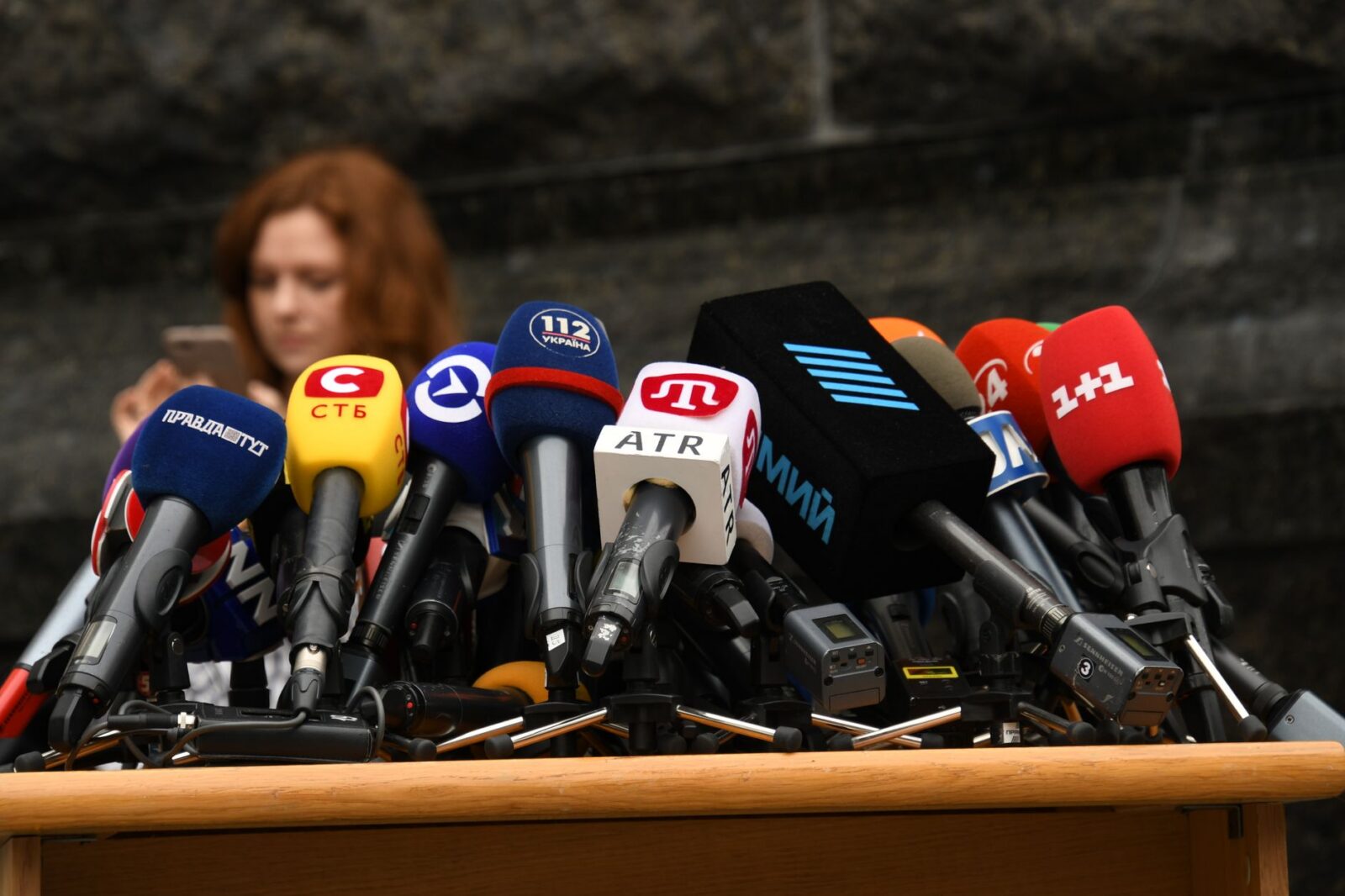
The announcement came during a press conference held at Trump’s Mar-a-Lago estate in Palm Beach, Florida, where he criticized the media for what he described as biased reporting and misinformation. Trump stated, “We will no longer allow these outlets to spread false narratives and attack our administration without accountability. From this day forward, they will be barred from the White House.” This statement marks a significant escalation in Trump’s ongoing feud with the press, which has been a hallmark of his political career.
The immediate consequence of this announcement was the denial of access to the White House for journalists from the aforementioned outlets. This action has drawn widespread condemnation from media organizations and press freedom advocates, who argue that it undermines the fundamental principles of a free press. The White House Correspondents’ Association (WHCA) issued a statement expressing deep concern, stating, “Access to the president and his administration is a vital part of our democracy, and any attempt to restrict it is an affront to the First Amendment.”
This ban is particularly significant given the historical context of press relations in the United States. Throughout his presidency, Trump frequently clashed with the media, labeling unfavorable coverage as “fake news” and often dismissing critical journalists. However, this latest move represents a formal and unprecedented restriction on press access, which many see as a direct threat to journalistic integrity and the public’s right to information.
The implications of this ban extend beyond the immediate media landscape. Nationally, it raises alarms about the erosion of democratic norms and the potential for increased government opacity. Internationally, it may affect the perception of the United States as a bastion of free speech and democratic values.
As the situation unfolds, it remains to be seen how other media outlets will respond and whether there will be any legal challenges to this ban. Experts suggest that this could lead to a broader debate about press freedoms and the role of the media in holding government accountable. Furthermore, the potential for increased tensions between the Trump camp and the media could result in further restrictions or retaliatory measures against journalists.
In conclusion, Trump’s announcement to ban specific journalists from the White House is a significant development that not only impacts the media but also raises fundamental questions about the future of press freedom in the United States. As this story develops, the ramifications for both the press and the public will be closely monitored.
Source: The Washington Post










Russia’s Ruling Party Secures Victory in Wartime Election Amid Drone Strikes
The ruling party in Russia has won a significant election amidst ongoing...
 2 Mins read

Trump Unveils Plans for Military Complex Featuring Drones and Snipers at Washington’s Triumphal Arch
The announcement of a military complex by Donald Trump at a significant...
2 Mins read

Russia’s Ruling Party Poised for Victory in Wartime Election Amid Drone Strikes
The ruling pro-Putin party is on track to secure a significant electoral...
2 Mins read


Eighteen Suspects in Haitian President’s Assassination Extradited to the U.S.
The extradition of suspects involved in the assassination of Haiti's president marks...
2 Mins read

Leave a comment